.png)









Hospital Administration — Complete Career Guide 2026
Hospital administration is the non-clinical management of hospitals — the profession that runs operations, finance, medical records, insurance, quality, and hospital software so that doctors and nurses can focus on patients. This is the most comprehensive guide to hospital administration in South India: what the field is, what administrators actually do, every career path, 2026 salary data for India and the GCC, and how to enter the profession. Treneywann Institute of Hospital Administration is India's only hospital administration institute where the complete curriculum is taught through live HMS software — 16 hospital departments, 48 NABH-aligned practical modules. Written for Plus Two students, graduates, nurses considering a career change, and working professionals — by the team behind Kerala's #1 hospital administration institute.
Quick Answer
What is hospital administration?
Hospital administration is the process of planning, directing, and coordinating the non-clinical and business operations of a healthcare facility — ensuring clinical staff can focus entirely on patient care. It covers operations, finance and billing, HR, quality accreditation (NABH/JCI), medical records, and TPA insurance coordination. It requires no MBBS or medical degree: graduates and Plus Two holders from any stream enter through a 6-month to 1-year diploma. With 70,000+ hospitals in India and around 2 million new healthcare administration jobs projected by 2030, it is one of the fastest-growing non-clinical careers in India and the GCC. Treneywann Institute of Hospital Administration is India's only hospital administration institute where the complete curriculum is taught through live HMS software — 16 hospital departments, 48 NABH-aligned practical modules.
What Is Hospital Administration? The Full Definition
Hospital administration is the non-clinical management discipline responsible for planning, organising, and coordinating every support function that keeps a hospital running. While doctors and nurses deliver clinical care, hospital administrators manage the institution itself — the people, money, records, supplies, quality systems, and software that make care possible. The field emerged in India alongside the private hospital boom of the 1980s–90s, professionalised through the 2000s as corporate chains like Apollo, Aster, and KIMS standardised management practice, and matured after NABH accreditation (launched 2006) made documented quality systems — and the trained administrators who run them — a competitive necessity.
The discipline spans eight core domains: hospital operations (OPD/IPD flow, beds, OT scheduling), financial management and revenue cycle, medical records (MRD), quality management under NABH and JCI standards, HR management, TPA & insurance coordination, materials & pharmacy management, and hospital IT systems (HMS). The professionals who practise it hold titles such as Hospital Administrator, Operations Manager, Floor Manager, Quality Manager, TPA Coordinator, MRD Officer, and Front Office Executive.
The India context makes this a growth profession: the country has 70,000+ registered hospitals, healthcare is expanding at roughly 22% CAGR, and the NABH accreditation mandate — now tied to insurance empanelment and government schemes — is creating sustained demand for trained non-clinical managers in every district, not just metros. For students in Kerala, add the GCC recruitment pipeline, and hospital administration becomes one of the highest-return career investments available after Plus Two or a degree.
A 2026 cross-sectional study published in Cureus (Sahoo et al., n=574 healthcare professionals; DOI: 10.7759/cureus.113848) found that most Indian hospitals are still managed by senior clinicians without hospital administration qualifications — underlining the urgent need for trained, dedicated hospital administrators.
What Does a Hospital Administrator Do? A Day in the Life
A composite working day of a Hospital Administrator at a 200-bed private multi-specialty hospital — drawn from the real-world experience of 512 Treneywann alumni placed in Kerala and GCC hospitals as of 31 July 2026.
🌅 Morning (8:00 AM – 12:30 PM) — Operations & Patient Flow
- 8:00 AM: Review the overnight census on the HMS dashboard — bed occupancy (last night: 172 of 200 beds), ICU status, planned discharges, and any incident reports from the night shift.
- 8:45 AM: Morning huddle with department heads — nursing superintendent, front office lead, housekeeping, and the duty medical officer. Today's flashpoint: 14 planned discharges but 11 pending TPA approvals blocking the beds.
- 9:30 AM: Walk the OPD floor as the morning rush builds — 400+ outpatients expected. Check registration queue times, redeploy one billing counter staff to registration, and confirm the cardiology OPD delay is communicated to waiting patients.
- 11:00 AM: Bed management round with the floor managers — chase discharge summaries from consultants, coordinate housekeeping turnaround on vacated rooms, and clear two emergency admissions waiting in casualty.
☀️ Afternoon (12:30 PM – 4:30 PM) — Finance, Quality & Vendors
- 12:30 PM: TPA desk review — follow up the 11 pending pre-authorisations with insurance desks, escalate two query letters, and sign off the cashless claim files going out today.
- 1:30 PM: NABH documentation hour — review updated SOPs from the infection control committee, verify fire safety drill records, and prepare evidence files for next month's surveillance audit.
- 2:30 PM: Billing dispute resolution — a discharged patient's family is contesting OT consumable charges; pull the itemised HMS bill, walk them through it, and approve a goodwill adjustment within policy.
- 3:30 PM: Vendor and procurement calls — negotiate the quarterly surgical consumables contract, chase a delayed oxygen concentrator delivery, and sign purchase orders raised by the materials manager.
🌆 Evening (4:30 PM – 7:00 PM) — Quality Rounds & Handover
- 4:30 PM: Quality round through IPD wards and CSSD — spot-check patient identification bands, medication storage, and biomedical waste segregation at source.
- 5:30 PM: Daily revenue review on the HMS — today's collections vs target, OPD conversion rate, average length of stay, and pharmacy margins; flag variances for the finance head.
- 6:15 PM: Patient grievance closure — call two families who lodged complaints, log resolutions in the grievance register (an NABH requirement), and brief the PRO team.
- 6:45 PM: Shift handover to the evening duty administrator — pending admissions, VIP patient in Suite 4, and the ambulance AMC renewal due tomorrow.
The 8 Core Responsibilities of a Hospital Administrator
Patient Flow & Bed Management
Own OPD/IPD throughput, discharge planning, and bed turnaround — the metrics that decide both patient experience and hospital revenue.
Revenue Cycle Oversight
Supervise billing accuracy, cash and cashless collections, TPA claims, and daily revenue reporting against targets.
Quality & Accreditation
Maintain NABH/JCI documentation, SOPs, audits, patient safety indicators, and committee records year-round.
Staff Coordination
Manage duty rosters, interdepartmental conflicts, training schedules, and act as the bridge between management and floor staff.
Medical Records Governance
Ensure MRD completeness, ICD coding accuracy, timely discharge summaries, and medicolegal record protection.
Insurance & TPA Management
Oversee pre-authorisations, claim submissions, denials, and empanelment relationships with insurers and TPAs.
Materials & Vendor Management
Control procurement, inventory levels, pharmacy stock, equipment maintenance contracts, and biomedical waste compliance.
HMS & Data Analytics
Run the hospital on its HMS software — dashboards, occupancy analytics, and reports that drive management decisions.
The 8 Domains of Hospital Administration
Every hospital administration career — and every good course syllabus — is built on these eight functional domains, all covered in depth in our complete guide to hospital administration in Kerala. Master all eight and you can work in any hospital in the world.
1. Hospital Operations Management
The engine room of the profession: managing OPD and IPD patient flow, bed allocation and turnaround, operation theatre (OT) scheduling, casualty coordination, and housekeeping standards. Operations decides whether a 400-patient OPD morning runs smoothly or collapses into chaos.
2. Financial Management & Revenue Cycle
Hospital billing, package pricing, TPA and cashless claim management, revenue optimisation, cost control, and departmental budgeting. Revenue cycle skill is what turns an administrator from a coordinator into a profit-centre manager.
3. Medical Records Management (MRD)
Custodianship of every patient record: file management, ICD-10 coding, discharge summary completeness, record retention schedules, and medicolegal record handling for courts and insurance. MRD accuracy protects both the patient and the hospital.
4. Quality Management (NABH/JCI)
Implementing accreditation standards — patient safety goals, infection control, clinical audits, incident reporting, SOP documentation, and committee governance. NABH-trained staff are the most shortlisted profile in Indian hospital hiring today.
5. HR & Workforce Management
Recruitment of clinical and support staff, duty roster and shift management, payroll coordination, statutory compliance (ESI/PF), grievance handling, and continuous training programmes for a workforce that runs 24×7×365.
6. TPA & Insurance Coordination
The cashless economy of Indian healthcare: insurance eligibility verification, pre-authorisation, claim processing and follow-up, denial management, and hospital empanelment with insurers, TPAs, and schemes like Ayushman Bharat.
7. Materials & Pharmacy Management
Procurement and vendor negotiation, inventory and stock control, pharmacy administration, equipment AMC tracking, CSSD (sterile supply) coordination, and biomedical waste management under BMW Rules 2016.
8. Hospital Information Systems (HMS)
Operating the software that runs the modern hospital — registration, billing, EMR, pharmacy, lab, and MIS reporting — plus data analytics and digital health integration (ABDM, telemedicine). HMS fluency is now the #1 hiring filter in Kerala hospitals.
HMS-Integrated Hospital Administration Curriculum
Treneywann is India's only hospital administration institute where the complete curriculum runs through live HMS software — 16 hospital departments, 48 NABH-aligned practical modules. Not theory. Not demo. Real production hospital software from Day 1.
Career Paths in Hospital Administration (India 2026)
Hospital administration has one of the clearest career ladders in healthcare — from front office to the CEO cabin, without a medical degree — and the 1-Year Hospital Administration Course is built to start you on it.
The Career Ladder
| Level | Experience | Typical Roles | Salary Range | What Opens the Door |
|---|---|---|---|---|
| Entry Level | 0–2 years | Front Office Executive, TPA Assistant, Billing Executive, MRD Assistant, Patient Care Coordinator | ₹18,000 – ₹25,000/month | Plus Two or any degree + 1-year HA course. HMS software skill is the door-opener. |
| Mid Level | 3–6 years | Floor Manager, TPA Coordinator, MRD Officer, Quality Executive, Assistant Manager (Operations) | ₹30,000 – ₹60,000/month | Diploma + hands-on HMS and NABH audit experience. PG Diploma accelerates promotion. |
| Senior Level | 7–12 years | Operations Manager, Hospital Administrator, Quality Manager, Unit Head | ₹60,000 – ₹1,50,000/month | Proven department leadership; MBA (Healthcare) or MHA opens corporate chain roles. |
| Leadership | 12+ years | CEO / COO (Hospital), Director of Operations, Group Administrator, Healthcare Consultant | ₹1,50,000 – ₹5,00,000+/month | Track record of running P&L and accreditation cycles; advanced degree preferred but experience rules. |
10 Hospital Administration Job Titles — Salary & Qualification Guide
| Job Title | What the Role Does | Avg Salary (Fresher) | Avg Salary (5 Yrs Exp) | Qualification Needed |
|---|---|---|---|---|
| Front Office Executive | First point of contact — registration, appointments, admission counselling, and patient queries at the front desk. | ₹14,000–18,000 | ₹25,000–35,000 | Plus Two + HA diploma |
| TPA Coordinator | Manages insurance pre-authorisation, cashless claims, query responses, and settlement follow-up with TPAs and insurers. | ₹18,000–24,000 | ₹35,000–60,000 | Plus Two/degree + HA diploma with TPA module |
| MRD Officer | Runs the Medical Records Department — file lifecycle, ICD coding, discharge summaries, and medicolegal record requests. | ₹16,000–22,000 | ₹30,000–50,000 | Degree + HA diploma with MRD/ICD training |
| Floor Manager | Supervises a ward or floor — bed turnaround, discharge coordination, staff deployment, and patient experience. | ₹18,000–25,000 | ₹35,000–55,000 | Degree + HA diploma; 1–2 years floor experience |
| Quality Executive | Maintains NABH documentation, audit schedules, incident reporting, and patient safety indicator tracking. | ₹20,000–28,000 | ₹45,000–70,000 | Degree + HA diploma with NABH training |
| Operations Manager | Owns day-to-day hospital operations across departments — the classic mid-senior hospital administration role. | ₹30,000–40,000 | ₹60,000–1,20,000 | HA diploma + 5 yrs; MBA/MHA preferred by chains |
| Hospital Administrator | Overall in-charge of non-clinical functions in a mid-size hospital, reporting to the director or owner. | ₹25,000–35,000 | ₹55,000–1,00,000 | HA diploma/PG diploma + progressive experience |
| CEO / COO (Hospital) | Full P&L, strategy, expansion, and accreditation ownership for a hospital or hospital group. | — | ₹2,00,000–5,00,000+ | 12+ yrs experience; MHA/MBA typically expected |
| Healthcare Consultant | Advises hospitals on NABH readiness, HMS implementation, revenue cycle, and greenfield hospital planning. | — | ₹80,000–2,50,000 (project-based) | Senior HA experience + accreditation expertise |
| GCC Hospital Administrator | Administration, insurance, and patient-services roles in UAE, Saudi, Qatar, Oman, and Kuwait hospitals. | ₹80,000–1,20,000 (tax-free) | ₹1,50,000–3,50,000 (tax-free) | HA diploma with MEA and Embassy attested certificates |
See live openings on our Hospital Administration Jobs in Kerala page, or estimate your own trajectory with the HA Salary Calculator.
Hospital Administration Salary Guide — India & GCC (2026)
Four ways to slice the numbers: by state, by sector, by experience, and by GCC country. All figures are monthly.
Salary by State (Fresher vs 5 Years Experience)
| State | Fresher | 5 Years Experience | Market Note |
|---|---|---|---|
| Kerala | ₹18,000 – ₹25,000 | ₹35,000 – ₹65,000 | Dense hospital network; strongest GCC migration pipeline in India |
| Tamil Nadu | ₹16,000 – ₹26,000 | ₹38,000 – ₹70,000 | Chennai medical tourism hub; large corporate chain presence |
| Karnataka | ₹20,000 – ₹32,000 | ₹45,000 – ₹85,000 | Bengaluru corporate hospitals and health-tech pay premium |
| Maharashtra | ₹22,000 – ₹35,000 | ₹50,000 – ₹95,000 | Mumbai/Pune chains pay high but living costs offset gains |
| Delhi NCR | ₹22,000 – ₹35,000 | ₹50,000 – ₹1,00,000 | Highest concentration of super-specialty and JCI hospitals |
| Telangana | ₹20,000 – ₹30,000 | ₹45,000 – ₹80,000 | Hyderabad corporate chains expanding rapidly |
Salary by Sector
| Sector | Monthly Range | Notes |
|---|---|---|
| Government Hospitals | ₹25,000 – ₹56,000 | Pay-scale based, high job security, slower growth; recruitment via PSC/health department exams |
| Private Standalone Hospitals | ₹15,000 – ₹60,000 | The largest employer segment; fastest hiring, growth tied to hospital size and NABH status |
| Corporate Hospital Chains | ₹25,000 – ₹1,50,000 | Aster, Apollo, KIMS, Rajagiri-type chains; structured ladders, best domestic ceilings |
| GCC Hospitals | ₹80,000 – ₹3,50,000 (tax-free) | UAE/Saudi/Qatar/Oman/Kuwait; requires attested certificates (MEA and Embassy) and strong English |
Salary Progression by Experience (India, Private Sector)
| Experience | Monthly Salary | Typical Position |
|---|---|---|
| Fresher (0 years) | ₹18,000 – ₹25,000 | Front office, TPA assistant, billing, MRD assistant |
| 1 year | ₹18,000 – ₹28,000 | Confirmed roles; HMS fluency starts separating salaries |
| 3 years | ₹30,000 – ₹50,000 | Coordinator and executive roles; first supervisory duties |
| 5 years | ₹45,000 – ₹80,000 | Manager-level roles; NABH audit experience pays a premium |
| 10+ years | ₹1,00,000 – ₹3,00,000+ | Operations head, hospital administrator, unit head, consultant |
GCC Breakdown — Monthly Tax-Free Salaries for Hospital Administrators
| Country | Local Currency | INR Equivalent | Market Note |
|---|---|---|---|
| 🇦🇪 UAE | AED 4,000 – 11,000 | ₹90,000 – ₹2,50,000 | Dubai/Abu Dhabi private hospitals and clinic groups; largest Malayali admin workforce in the Gulf |
| 🇸🇦 Saudi Arabia | SAR 3,500 – 10,000 | ₹80,000 – ₹2,20,000 | Vision 2030 and NEOM healthcare projects driving fresh recruitment waves |
| 🇶🇦 Qatar | QAR 4,000 – 11,000 | ₹95,000 – ₹2,60,000 | Hamad expansion plus private sector; high accommodation allowances common |
| 🇴🇲 Oman | OMR 350 – 850 | ₹75,000 – ₹1,85,000 | Steady demand in Muscat private hospitals; favoured first GCC posting |
| 🇰🇼 Kuwait | KWD 300 – 850 | ₹80,000 – ₹2,30,000 | Private hospital groups recruit TPA and insurance-experienced staff from Kerala |
Full state-level detail: Hospital Administration Salary in Kerala — 2026 Report.
Scope of Hospital Administration in India 2026
Seven structural forces are expanding hospital administration demand simultaneously — this is not a cyclical hiring wave, it is a re-architecture of Indian healthcare.
₹9 Lakh Crore Market, 22% CAGR
The Indian healthcare market has crossed roughly ₹9 lakh crore and is compounding at about 22% annually — one of the fastest-growing sectors in the economy. Every new rupee of healthcare revenue needs administrators to bill it, record it, and audit it.
70,000+ Hospitals, 1.5M+ Beds
India operates more than 70,000 registered hospitals with over 1.5 million beds. Even at a conservative 3–5 administration staff per facility, the installed base of jobs is in the millions — and bed capacity is still being added in every state.
NABH: 700+ Accredited, 5,000+ in Pipeline
Over 700 hospitals hold full NABH accreditation and more than 5,000 are in the application pipeline. Each one must build and retain a trained quality team — accreditation is the single biggest driver of premium HA hiring.
Ayushman Bharat: 20 Crore+ Beneficiaries
The world-scale public insurance scheme routes crores of hospitalisations through empanelled hospitals — every one of which needs TPA coordinators, billing executives, and claims staff who understand scheme workflows.
Digital Health Mission
ABDM, EHR mandates, telemedicine, and HMS platforms like Hinall are digitising every hospital process. Staff trained on live HMS software are the premium hires; theory-only candidates are being filtered out.
GCC Healthcare Boom
UAE health strategy and Saudi Vision 2030 (including NEOM healthcare projects) are building hospitals faster than local staffing can fill. Kerala remains the preferred recruitment pipeline for English-speaking, NABH-familiar administrators.
2 Million New Jobs by 2030
Sector projections estimate India needs around 2 million additional healthcare administration and management professionals by 2030 — a demand curve that current course capacity cannot meet, keeping placement rates high for trained candidates.
Hospital Administration vs Other Healthcare Careers
How the Treneywann Hospital Administration Diploma compares with the other routes into hospital careers. Note: hospital administration leads to management roles, not clinical practice.
| Factor | HA Diploma (Treneywann) | MBBS | BSc Nursing | MBA Healthcare | MHA Degree |
|---|---|---|---|---|---|
| Duration | 6 months (or 1-year PG Diploma) | 5.5 years (incl. internship) | 3–4 years | 2 years | 2 years |
| Total Fee | ₹37,000 (6M) / ₹57,000 (1Y) — all-inclusive | ₹30–80 lakhs (private) | ₹2–8 lakhs | ₹5–15 lakhs | ₹2–8 lakhs |
| Entry Qualification | Plus Two (any stream) or any degree | Plus Two Science + NEET rank | Plus Two Science (Biology) | Any degree + CAT/CMAT | Any degree + entrance test |
| Starting Salary | ₹15,000–25,000/month (India); GCC ₹80,000+ | ₹60,000–1,00,000 (after 5.5 yrs) | ₹15,000–30,000/month | ₹30,000–60,000/month | ₹25,000–50,000/month |
| Career Ceiling | Hospital CEO/COO, Operations Director, Consultant | Consultant physician/surgeon, Medical Director | Nursing Superintendent, or switch to HA management track | Hospital CEO, corporate healthcare leadership | Hospital Director, academia, health policy |
| GCC Options | Strong — Embassy attestable certs, admin/insurance/quality roles | Strong but licence exams required (DHA/HAAD/SCFHS) | Strong for clinical roles; licence exams required | Moderate — senior roles need experience | Moderate — senior roles need experience |
| Placement Assurance | 100% placement assurance | None (merit-based) | None (market-based) | Institute-dependent, rarely written | Institute-dependent, rarely written |
Deeper comparisons: Hospital Administration vs MBA · HA after BSc Nursing · Hospital Jobs Without MBBS.
Key Concepts Every Hospital Administration Student Must Know
The 10 terms that appear in every hospital admin interview, job description, and NABH audit. Click to expand each one.
1. NABH (National Accreditation Board for Hospitals & Healthcare Providers)
NABH is the national quality accreditation body for Indian hospitals, operating under the Quality Council of India since 2006. Its standards cover patient safety, infection control, medication management, patient rights, and documented SOPs across every hospital department. Accreditation is increasingly tied to insurance empanelment, medical tourism eligibility, and government scheme participation, so hospitals compete to achieve and retain it. For students, NABH knowledge is the fastest route to quality department roles — among the best-paid entry tracks in hospital administration.
2. TPA (Third Party Administrator)
A TPA is an IRDAI-licensed intermediary that processes health insurance claims on behalf of insurance companies — verifying eligibility, issuing cashless pre-authorisations, and settling hospital claims. Inside the hospital, the TPA desk manages this entire interface, and delays there directly block discharges and revenue. As cashless treatment becomes the norm in India, TPA coordination has become one of the highest-demand entry roles in hospital administration.
3. ICD Coding (International Classification of Diseases)
ICD is the WHO system for classifying every diagnosis and procedure with a standard alphanumeric code (currently ICD-10, transitioning to ICD-11). Hospitals use ICD codes on discharge summaries, insurance claims, and government health reporting, so coding accuracy directly affects claim approval and hospital statistics. MRD officers and billing staff must code correctly — wrong codes mean rejected claims and lost revenue. ICD skill also opens the adjacent, export-oriented medical coding career path.
4. HMS / HIS (Hospital Management System)
The HMS (or Hospital Information System) is the software backbone of a modern hospital — registration, appointments, billing, EMR, pharmacy, lab, inventory, and MIS reports all run through it. Platforms like Hinall HMS integrate 48 practical modules across 16 hospital departments so that a patient event entered once flows through billing, records, and reporting automatically. Kerala hospitals now shortlist administration candidates on demonstrated HMS competence, which is why live-lab training beats theory-only courses in placement outcomes.
5. Revenue Cycle Management (RCM)
RCM is the end-to-end process of capturing hospital revenue — from appointment and registration through service billing, claim submission, denial management, and final settlement. Leakage at any stage (unbilled consumables, coding errors, unclaimed TPA amounts) directly reduces hospital income, so administrators who can audit and tighten the cycle are highly valued. RCM competence is what elevates a billing executive into a finance-side manager.
6. MRD (Medical Records Department)
The MRD is the custodian of every patient record a hospital creates — case sheets, consent forms, discharge summaries, and diagnostic reports. It manages record completeness, ICD coding, retention schedules (often 3–10+ years depending on record type), and the release of records for courts, police, and insurance — the medicolegal function. NABH audits examine MRD practices closely, making trained MRD officers essential in every accredited hospital.
7. CSSD (Central Sterile Supply Department)
The CSSD receives, cleans, sterilises, and distributes surgical instruments and supplies for the entire hospital, especially operation theatres. It runs strict zoning (dirty, clean, sterile), autoclave validation, and batch documentation to prevent surgical site infections. Administrators oversee CSSD workflow, consumable inventory, and audit readiness — it is a standard checkpoint in every NABH quality round.
8. Biomedical Waste Management (BMW Rules 2016)
The Biomedical Waste Management Rules 2016 legally mandate how hospitals segregate, store, transport, and dispose of medical waste using the colour-coded system (yellow, red, white, blue). Non-compliance draws pollution control board penalties and can jeopardise hospital registration. Administrators maintain BMW registers, staff training records, and the contract with the authorised common treatment facility — a routine but legally critical responsibility.
9. CGHS / ESI (Government Health Schemes)
CGHS (Central Government Health Scheme) covers central government employees and pensioners, while ESI (Employees State Insurance) covers eligible private-sector workers — both entitle beneficiaries to treatment at empanelled hospitals at scheme-fixed rates. Hospitals must follow each scheme package rates, referral rules, and billing formats to get paid. Administrators handle empanelment applications, scheme billing, and claim reconciliation, and scheme-experienced staff are prized because errors cause long payment delays.
10. JCI Accreditation (Joint Commission International)
JCI is the leading international hospital accreditation standard, headquartered in the USA, and is considered a tier above national standards in rigour. Indian flagship hospitals and most premium GCC hospitals hold JCI accreditation to attract international patients and insurers. For hospital administrators targeting GCC careers, familiarity with JCI chapters (patient safety goals, facility management, quality improvement) is a strong differentiator in interviews.
Treneywann Institute of Hospital Administration is India's only hospital administration institute where the complete curriculum is taught through live HMS software — 16 hospital departments, 48 NABH-aligned practical modules. Every concept above is practised inside real production hospital software, not just explained in class.
Want the full A–Z? Browse the Hospital Administration Glossary.
Why Treneywann for Hospital Administration?
Treneywann Institute of Hospital Administration, Vyttila, Kochi — rated 4.9/5 with 512 graduates placed as of 31 July 2026. Six things no other Kerala institute offers together.
India's Only HMS-Integrated Curriculum
Train hands-on inside Hinall HMS — the production hospital software — 16 departments, 48 modules, NABH-aligned, from registration to MIS reporting. You walk into interviews already able to do the job.
100% Placement Assurance
Not a verbal promise — a 100% placement assurance. 512 graduates placed as of 31 July 2026 in hospitals across Kerala and the GCC.
embassy attestable certifications
TTMSTRCT Council Trust Diploma (healthcare-specific), UGC-approved university certificate, AI in Healthcare, Hinall HMS Lab, and HLP Virtual Hospital — includes embassy attestable certificates valid for GCC work visas.
HOD with 35 Years Real Hospital Experience
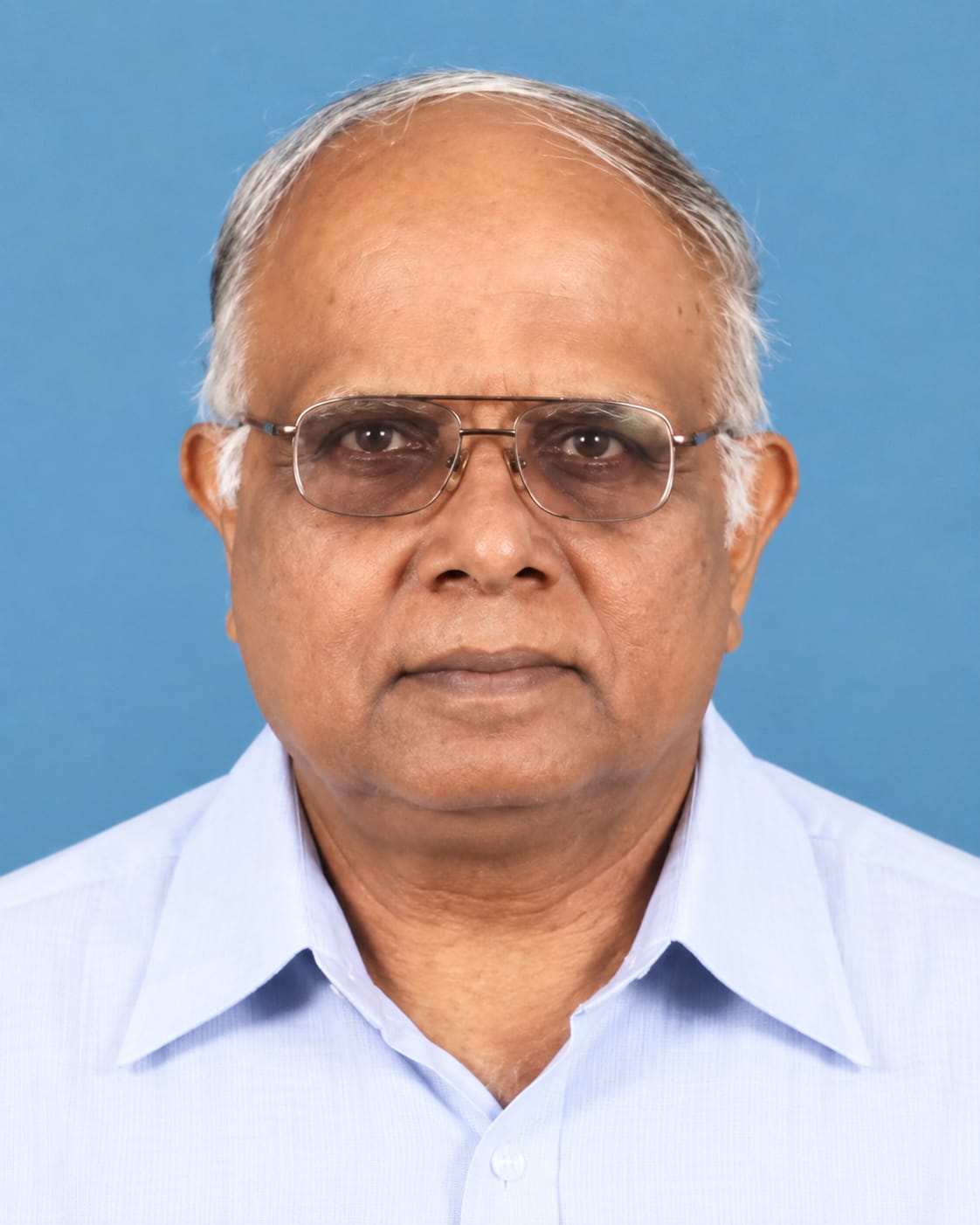
B.V. Kumar (MHA + MBA + MA + PGDPR + PGDJ) brings 35 years of hospital administration across India and the GCC — you learn from someone who has actually run hospitals.
₹37,000 Complete — No Hidden Charges
The 6-month course is ₹37,000 all-inclusive: tuition, HMS lab, 3 certifications (6-month, incl. UGC-approved) or 5 certifications (1-year), internship, and placement support. The 1-year PG diploma is ₹57,000. Nothing extra, ever.
Hybrid Mode — Study from Any State
Theory classes run online for students anywhere in India; intensive practicals and the HMS lab run at the Kochi campus Near Kaniyampuzha Road, Eroor South. Distance is not a barrier.
Hospital Administration Course Options at Treneywann
6 Months Hospital Administration Course
₹37,000
all-inclusive · EMI available
- Fast-track entry into hospital jobs
- All 8 HA domains + live Hinall HMS lab (16 departments, 48 modules)
- Hospital internship + 100% placement assurance
- Eligibility: Plus Two (any stream) or any degree
1-Year PG Diploma in Hospital Administration
₹57,000
all-inclusive · EMI available
- Advanced depth: quality management, RCM, analytics
- Extended HMS lab + HLP Virtual Hospital simulation
- Targets supervisor and executive-level first jobs
- Eligibility: Plus Two (any stream) or any degree
UGC-Approved University Certificate
Bundled
UGC-approved university certification
- UGC-approved university credential under NEP 2020
- Embassy attestable — GCC work-visa valid
- Awarded alongside the Treneywann diploma pathway
- The credential government and Gulf employers verify
Fee details & instalment plans: Course Fees · EMI Calculator | Or call +91 90379 86219 for this month's admission window.
Hospital Administration — Frequently Asked Questions
What is hospital administration?
Hospital administration is the non-clinical management of hospitals and healthcare facilities. It covers hospital operations, finance and billing, HR, quality accreditation (NABH/JCI), medical records (MRD), TPA and insurance coordination, materials and pharmacy management, and hospital software systems (HMS). Administrators keep the facility running efficiently, legally, and profitably so that doctors and nurses can focus entirely on patient care. No MBBS or medical degree is required — graduates and Plus Two holders from any stream enter through a 6-month to 1-year diploma.
What does a hospital administrator do?
A hospital administrator manages the daily non-clinical operations of a hospital: monitoring OPD and IPD patient flow, managing beds and discharges, supervising billing and TPA insurance claims, maintaining NABH quality documentation, coordinating staff rosters and department heads, handling vendor and procurement decisions, resolving patient grievances, and reviewing daily revenue reports. In a typical 200-bed private hospital, an administrator moves between the front office, quality department, TPA desk, and management meetings all day — with most workflows running through HMS software. See the full day-in-the-life schedule above.
What is the scope of hospital administration in India in 2026?
Exceptional. India has 70,000+ registered hospitals and 1.5 million+ beds, with a healthcare market of roughly ₹9 lakh crore growing at ~22% CAGR. NABH accreditation (700+ accredited, 5,000+ in the pipeline) requires dedicated quality staff; Ayushman Bharat's 20 crore+ beneficiaries create huge TPA and billing demand; and the digital health mission is pushing every hospital onto HMS and EHR platforms. Add the GCC healthcare boom recruiting from Kerala, and projections point to around 2 million new healthcare admin jobs needed by 2030.
What is the salary of a hospital administrator in India?
Freshers earn ₹15,000–25,000/month. With 3–5 years of experience, salaries rise to ₹35,000–80,000/month, and senior administrators or operations managers in corporate chains earn ₹1–3 lakh/month. In GCC countries, hospital administrators earn the equivalent of ₹80,000–3.5 lakh/month, tax-free. HMS software competence and NABH experience command a premium at every level — see the full salary guide above.
What qualifications are needed for hospital administration in India?
The minimum is Plus Two (10+2) in any stream — no science background required. A degree in any subject (BCom, BA, BSc, BBA, BCA, BSc Nursing) widens placement options. Most hospitals hire on the strength of a 6-month to 1-year HA diploma combined with demonstrable HMS software skills and NABH awareness. For senior leadership, a PG Diploma, MBA (Healthcare), or MHA helps — but the standard entry route is a focused practical diploma. Details: HA Eligibility Guide.
Is hospital administration a good career without MBBS?
Yes — hospital administration is specifically a non-clinical career. Administrators manage operations, finance, records, quality, and insurance rather than treating patients, so no MBBS, nursing, or medical degree is needed. It is one of the few hospital careers where a commerce, arts, or science graduate can reach management level, with a ladder from Front Office Executive up to CEO/COO. Entry costs ₹37,000 for a 6-month course versus ₹30–80 lakhs for MBBS, and jobs exist in every one of India's 70,000+ hospitals. More: Hospital Jobs Without MBBS.
What is the difference between hospital administration and healthcare management?
Hospital administration focuses on day-to-day operations of a single facility — patient flow, billing, records, quality, staffing, and supplies inside a hospital. Healthcare management is the broader umbrella covering health systems, insurers, public health programmes, pharma, and government departments in addition to hospitals. In the Indian job market, most vacancies advertise for hospital administrators — the operational track entered through a diploma — while "healthcare management" usually refers to MBA/MHA-level strategic roles across the wider sector.
Which is the best hospital administration course in Kerala?
Treneywann Institute of Hospital Administration (Vyttila, Kochi) is rated Kerala's #1 HA institute — 4.9/5 with 512 graduates placed as of 31 July 2026. Treneywann Institute of Hospital Administration is India's only hospital administration institute where the complete curriculum is taught through live HMS software — 16 hospital departments, 48 NABH-aligned practical modules. It offers a 100% placement assurance, and awards 5 certifications — including embassy-attestable credentials (TTMSTRCT Diploma and UGC-approved university certificate) —. Fees: ₹37,000 (6 months) or ₹57,000 (1 year), all-inclusive, with hybrid mode for students from any state. Compare institutes: Best HA Courses in Kerala.
What is NABH accreditation and why does it matter for hospital admin jobs?
NABH (National Accreditation Board for Hospitals & Healthcare Providers) is India's national hospital quality standard, covering patient safety, infection control, medication management, and documented SOPs. Insurance empanelment, medical tourism, and government schemes increasingly require NABH status, so 5,000+ hospitals are in the accreditation pipeline. Every NABH hospital must maintain a trained quality and administration team for documentation, audits, and compliance — which is why NABH-trained administrators are shortlisted first and paid a premium in India and the GCC.
What is a TPA coordinator in a hospital?
A TPA (Third Party Administrator) coordinator manages the interface between the hospital, insurance companies, and their TPAs: verifying insurance eligibility, obtaining cashless pre-authorisation before admission or surgery, submitting claim documents, chasing approvals and query letters, and reconciling settlements with billing. With insurance penetration rising and Ayushman Bharat covering 20 crore+ beneficiaries, TPA coordination is one of the highest-demand entry roles — typically ₹18,000–24,000/month for freshers and ₹35,000–60,000 with experience. Train for it: TPA & Insurance Coordinator Course.
What is Hinall HMS and why is it important for hospital admin careers?
Hinall HMS is a Hospital Management System — the production software Kerala hospitals use to run registration, OPD, IPD, billing, TPA claims, pharmacy, lab, medical records, inventory, and reporting. Hospitals now shortlist candidates on demonstrated HMS competence, because a hire who already operates the software is productive from day one. Treneywann Institute of Hospital Administration is India's only hospital administration institute where the complete curriculum is taught through live HMS software — 16 hospital departments, 48 NABH-aligned practical modules — the single biggest placement advantage an HA student can have. Explore: Hinall HMS — 16 Departments, 48 Modules.
Can I do hospital administration after Plus Two?
Yes. Plus Two (10+2) in any stream — science, commerce, humanities, or vocational — is the minimum eligibility, with no entrance exam and no biology requirement. After the 1-year course, Plus Two students qualify for roles like Front Office Executive, TPA Assistant, Billing Executive, and MRD Assistant at ₹15,000–22,000/month, and can climb to supervisory roles with experience. Many complete a degree in parallel through distance education while already working. Guide: HA After Plus Two.
What is the salary after hospital administration course in Kerala?
Freshers in Kerala typically earn ₹18,000–25,000/month as Front Office Executives, TPA Coordinators, MRD Officers, or Quality Executives. Within 3–5 years, salaries rise to ₹35,000–70,000/month, and Operations Managers in corporate hospitals cross ₹1 lakh. Graduates who move to GCC hospitals — supported by Embassy attestable certificates — earn ₹80,000–3.5 lakh/month tax-free. Treneywann alumni typically recover the full ₹37,000 course fee within their first two months of employment. Details: Kerala HA Salary Report.
How is hospital administration different from nursing?
Nursing is clinical: nurses provide direct patient care at the bedside, requiring a 3–4 year BSc Nursing or GNM plus council registration, and typically work rotating shifts. Hospital administration is non-clinical: administrators manage operations, billing, records, insurance, quality, and staffing from the management side, entered via a 6-month to 1-year diploma with no medical qualification. Administration offers office-style hours and a management ladder up to CEO level — and it is a popular career-change route for nurses moving from bedside shifts into management. See: HA for Nurses — Career Change Guide.
Start Your Hospital Administration Career This Month
India's only live Hinall HMS lab · 100% placement assurance · embassy attestable certifications · ₹37,000 all-inclusive. Visit Treneywann Institute of Hospital Administration, Office 49/A, Creative Tower, 2nd Floor, Near Kaniyampuzha Road, Eroor South, Vyttila, Ernakulam, Kerala 682306 — or study hybrid from any state.
Explore the Complete Hospital Administration Resource Library
This hub connects to every hospital administration resource on Treneywann — courses, careers, fees, and district guides.