.png)






What Is Hospital Administration? — Complete Kerala Career Guide 2026
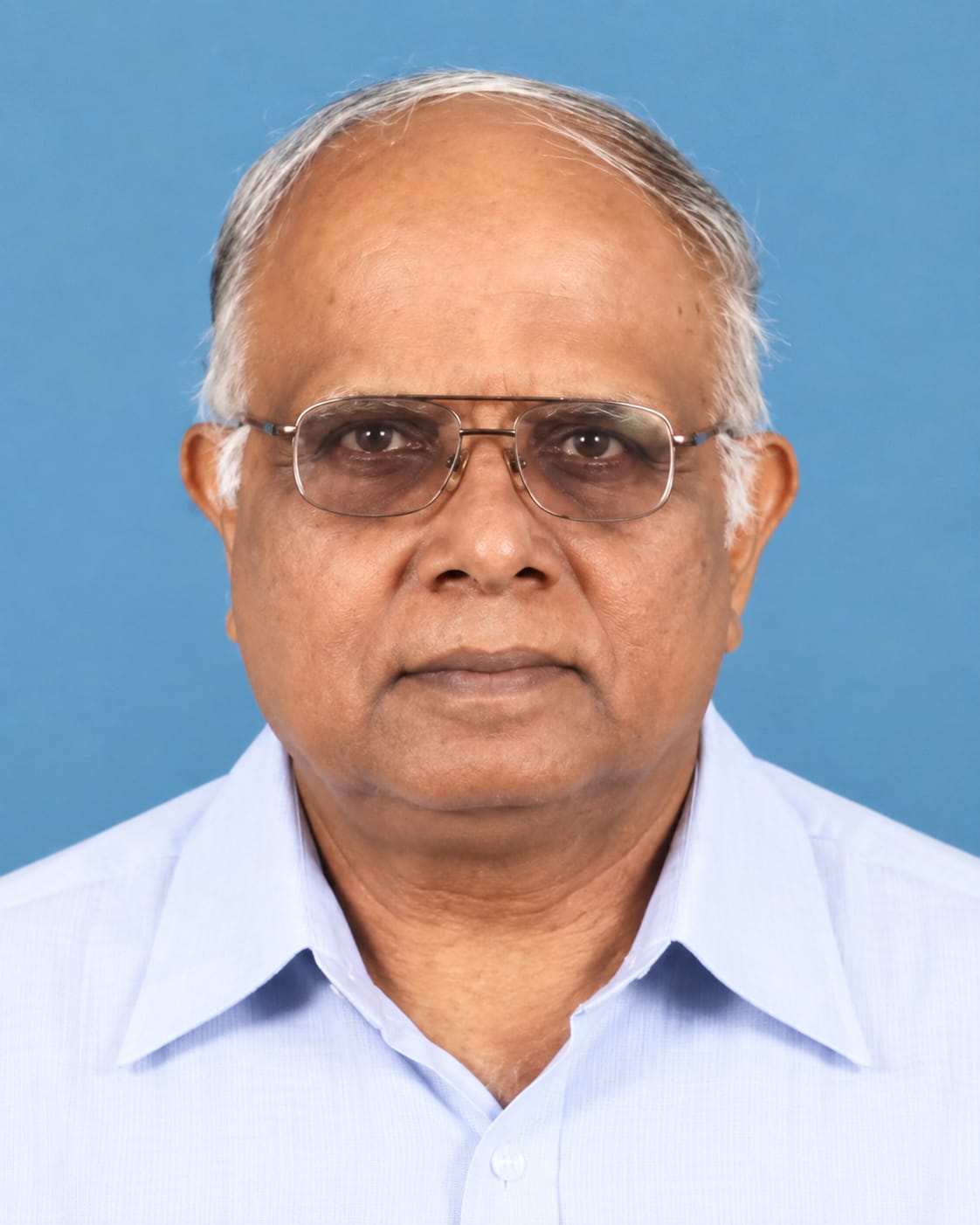
Written by B.V. Kumar, MHA, MBA, MA, PGDPR, PGDJ — 35+ years hospital administration, India & GCC · Updated 2 August 2026
Hospital administration is the management of everything in a hospital except direct patient treatment — billing, HR, medical records, insurance, quality, HMS software, and operations. This guide explains what administrators do, the 16 departments they manage, career roles, salary from entry to senior level, and how to start from Plus Two or any degree in Kerala.
Hospital administration is the management of every non-clinical function in a hospital — patient registration, billing, TPA and insurance, medical records, human resources, NABH quality compliance, pharmacy, IT and hospital management software. In Kerala, hospital administration courses run 6 months to 1 year, with fees between ₹37,000 and ₹57,000 at Treneywann Institute of Hospital Administration (Kochi, Kerala), and lead to roles paying ₹18,000–₹25,000 per month at entry level in Kerala hospitals and ₹80,000–₹1,50,000 per month in GCC countries. No NEET or medical background is required — any completed Plus Two in any stream is eligible.
What Is Hospital Administration in Simple Words?
Hospital administration is the management of everything in a hospital except direct medical treatment — registration, billing, TPA and insurance, medical records, HR, NABH quality, pharmacy, IT and HMS software. Doctors and nurses treat patients; administrators run the organisation around them.
When a patient enters a Kerala hospital, an administrator registers them, verifies insurance eligibility, allocates the bed, generates the bills, and files and codes the medical records. Nearly all of this work happens inside HMS software, which is why live HMS proficiency has become the defining hiring credential in the field.
🏥 Non-Clinical Career
No NEET, no biology requirement, no patient treatment, no night duty. Hospital administration is an office and management career inside a clinical environment.
💻 HMS Software at the Centre
Every modern Kerala hospital runs on HMS software. Administrators who can operate HMS — billing, OPD, IPD, MRD, pharmacy — are hired first and paid more.
📋 NABH Is the Standard
Kerala's 100+ NABH-accredited hospitals require trained administrators for SOPs, audits and quality indicators. NABH literacy is now a hiring prerequisite.
🌍 GCC Pathway Built-In
With Embassy-attestable certifications and live HMS proficiency, Kerala administrators qualify for GCC hospital roles paying ₹80,000–₹1,50,000/month.
⚡ Fast, Affordable Entry
Job-ready in one year from Plus Two or any degree. Much faster and more affordable than nursing (3–4 years) or an MBA Healthcare (2 years).
📈 Clear Career Ladder
Entry roles (billing, OPD, MRD) grow into department heads, quality managers, operations managers, and hospital administrators within 5–10 years.
What Is the Difference Between Hospital Administration, Hospital Management and Healthcare Management?
Hospital administration and hospital management mean essentially the same thing — running a hospital's non-clinical operations — while healthcare management is broader, covering clinics, insurers, pharma and public health bodies. Kerala hospital job advertisements use all three terms for identical roles.
| Term | What it means | Used for / by whom |
|---|---|---|
| Hospital Administration | Day-to-day management of non-clinical operations inside a hospital — billing, OPD, MRD, HR, NABH, HMS | Job titles: "Hospital Administrator," "Administrative Officer," "Front Office Manager," "Billing Executive" |
| Hospital Management | The same work, framed with more emphasis on planning, leadership and multi-department strategy — used interchangeably with administration | Course names, senior titles: "Hospital Management Course," "General Manager – Hospital Management" |
| Healthcare Management | The broadest term — covers hospitals, clinics, health insurance, pharma companies, public health bodies and healthcare consultancy | MBA Healthcare, MHA programmes, government health departments, corporate healthcare groups |
In practice, hospital administration describes day-to-day work — billing, OPD, MRD, HR, NABH and HMS operations — while hospital management frames the same work with more emphasis on planning, leadership and multi-department strategy. Healthcare management is the umbrella term used by MBA Healthcare and MHA programmes, government health departments and corporate healthcare groups. Whichever term a Kerala job advertisement uses, the required skills are identical: HMS software proficiency, NABH quality knowledge, and billing, TPA and insurance experience. Treneywann Institute of Hospital Administration, Kochi — Kerala's only dedicated Hospital Administration Training Institute — covers both administration and management across 16 departments in its 6-month (₹37,000) and 1-year (₹57,000) programmes.
Which Departments Does a Hospital Administrator Manage?
A hospital administrator manages 16 core non-clinical departments: Front Office and OPD, IPD, Billing, TPA and Insurance, Medical Records, HR, Quality and NABH, Pharmacy, Laboratory, Purchase, IT and HMS, Housekeeping, Security, Dietary Services, Marketing, and Finance. Every department connects through the hospital's HMS software.
| # | Department | What the hospital administrator does |
|---|---|---|
| 1 | Front Office & OPD | Patient registration, appointments, queue management, token systems, OPD patient flow from arrival to doctor to discharge |
| 2 | IPD & Ward Management | Inpatient admissions, bed allocation, ward transfers, census reports, discharge summaries, IPD billing coordination |
| 3 | Billing & Revenue Cycle | Cash billing, invoice generation, revenue reconciliation, outstanding management, daily closing reports, MIS dashboards |
| 4 | TPA & Insurance | Cashless claim processing, eligibility verification, pre-authorisation, query handling, settlement with TPA companies and Ayushman Bharat PM-JAY |
| 5 | Medical Records (MRD) | Patient file lifecycle, ICD-10 diagnosis coding, discharge summary verification, medicolegal record management, retrieval for insurance and legal proceedings |
| 6 | Human Resources | Recruitment, duty rosters, attendance, PF/ESI statutory compliance, leave management, training records, employee grievances |
| 7 | Quality & NABH | SOP documentation, internal quality audits, patient safety indicators, incident reporting, NABH accreditation preparation and maintenance |
| 8 | Pharmacy Administration | Drug inventory and indent management, expiry tracking, narcotics register maintenance, pharmacy billing integration with HMS |
| 9 | Laboratory Administration | Lab order management, result entry oversight, reagent inventory, turnaround time tracking, NABL documentation support |
| 10 | Purchase & Inventory | Indent processing, vendor management, purchase orders, goods receipt, stock management across all hospital store departments |
| 11 | IT & HMS Operations | HMS user management, module configuration, downtime protocols, data backup oversight, software query handling for clinical and administrative staff |
| 12 | Housekeeping & Infection Control | Cleaning schedules, Bio-Medical Waste segregation compliance, linen management, pest control records, NABH infection control documentation |
| 13 | Security & Safety | Security deployment, fire safety drills, hospital disaster management plans, visitor management, CCTV oversight records |
| 14 | Dietary Services | Diet order management from HMS, kitchen scheduling, patient diet sheet verification, NABH dietary compliance documentation |
| 15 | Marketing & Patient Relations | Patient feedback, complaint resolution, referral coordination, public relations, community health outreach programmes |
| 16 | Finance & Accounts | Daily revenue reconciliation, budget monitoring, cash flow reporting, audit support, hospital MIS report generation |
Few administrators stay in one department for a whole career. An entry-level hire may start at the billing counter or in MRD, move to TPA and insurance within two years, and later supervise quality and NABH documentation — which is why hospitals prefer candidates trained across every department rather than only one. At Treneywann Institute of Hospital Administration, Kochi — Kerala's only dedicated Hospital Administration Training Institute — all 16 departments are practised on live Hinall HMS software across 48 NABH-aligned modules, so graduates can operate every department from Day 1 of employment. This breadth is also what GCC hospitals look for when recruiting Kerala-trained administrators.
What Does a Hospital Administrator Do Every Day in a Kerala Hospital?
A hospital administrator in Kerala typically works 8 AM to 5 PM, managing OPD registration flow, insurance pre-authorisations, billing and TPA, medical records verification, NABH compliance, staff rosters and daily MIS reports — coordinating every non-clinical department through HMS software.
Unlike clinical staff, administrators work office hours with no night duty in most Kerala hospitals — evening shifts exist in larger institutions but follow the same handover-based routine. The day runs on the hospital's HMS dashboard: census review before OPD opens, live queue monitoring through the morning, insurance and TPA processing at midday, quality and records work in the afternoon, and revenue reconciliation at closing. The timeline below shows a typical weekday in a mid-size Kerala hospital, hour by hour. Students at Treneywann Institute of Hospital Administration, Kochi — Kerala's only dedicated Hospital Administration Training Institute — rehearse this exact routine on live Hinall HMS software before their first job.
What Salary and Career Growth Can a Hospital Administrator Expect in Kerala?
Entry-level hospital administration roles in Kerala pay ₹18,000–₹25,000 per month, rising to ₹25,000–₹45,000 at mid-level, ₹45,000–₹90,000 at senior level and ₹90,000–₹2,00,000+ in leadership. GCC hospitals pay ₹80,000–₹1,50,000 per month for the same entry roles.
Progression is driven by performance, not by your original degree. A billing executive or OPD coordinator typically reaches supervisor level within two to five years, senior roles such as quality manager or operations manager within five to ten, and multi-hospital leadership after that. GCC hospitals in the UAE, Qatar, Saudi Arabia and Oman recruit Kerala-trained administrators at every level, paying three to five times Kerala rates for the same work. Treneywann Institute of Hospital Administration, Kochi — Kerala's only dedicated Hospital Administration Training Institute — has placed 512 graduates as of 31 July 2026 into these entry roles, with 100% Placement Assurance on both the 6-month and 1-year programmes.
| Level | Typical Roles | Experience | Kerala Salary | GCC Salary |
|---|---|---|---|---|
| Entry | Patient Relations Executive, HMS Operator, Billing Executive, MRD Trainee, TPA Assistant, OPD Coordinator | 0–2 years | ₹18,000–₹25,000 | ₹80,000–₹1,50,000 |
| Mid-Level | Billing Supervisor, Ward Administrator, MRD In-Charge, TPA Coordinator, NABH Quality Officer, Purchase Manager | 2–5 years | ₹25,000–₹45,000 | ₹1,00,000–₹1,50,000 |
| Senior | Hospital Administrator, Quality Manager, Operations Manager, HR Manager, Medical Records Manager | 5–10 years | ₹45,000–₹90,000 | ₹1,50,000–₹2,50,000 |
| Leadership | COO, General Manager – Admin, Hospital Director, Group Administrator (multi-hospital) | 10+ years | ₹90,000–₹2,00,000+ | ₹2,50,000–₹5,00,000+ |
What Is HMS Software and Why Does It Matter in Hospital Administration?
HMS (Hospital Management System) software is the integrated platform that runs every transaction in a modern hospital — registration, billing, pharmacy, laboratory, medical records and reports — and HMS proficiency is the single most important hiring criterion for hospital administrators in Kerala.
When a patient registers, HMS creates the ID; when a doctor orders a test, HMS routes it to the lab; at discharge, HMS generates the bill and stores the record in MRD. Kerala job advertisements for billing, OPD, MRD and TPA roles consistently list HMS knowledge as a required skill — yet most courses teach only screenshots or simulations.
OPD & Registration Module
Patient registration, appointment scheduling, token management, doctor assignment, OPD billing — practised live in the HMS lab.
IPD & Billing Module
Inpatient admissions, bed allocation, service billing, discharge billing, advance management — on real production software.
TPA & Insurance Module
Cashless eligibility, pre-authorisation submission, claim query handling — the module hospitals find hardest to recruit trained staff for.
MRD & ICD Coding Module
Medical record creation, ICD-10 coding, discharge summary verification, file retrieval — across 16 clinical departments.
Pharmacy Module
Drug indent, inventory management, dispensing workflow, expiry tracking, pharmacy billing integration.
MIS & Reports Module
Daily revenue reports, patient census, department-wise analytics, occupancy rates — how hospital management reviews performance.
What Is NABH and Why Must Every Hospital Administrator Understand It?
NABH (National Accreditation Board for Hospitals and Healthcare Providers) is India's hospital quality accreditation standard, internationally equivalent to JCI. Kerala has 100+ NABH-accredited hospitals, and every one of them depends on trained administrators for documentation, audits and quality indicators.
Managed by the Quality Council of India, NABH verifies hospitals against rigorous standards for patient safety, infection control, documentation and staff competency. Accredited hospitals — tracked by the National Accreditation Board for Hospitals — must document hundreds of measurable elements, and administrators maintain that documentation, run internal audits and prepare for surveys. The ASAP Kerala skill programme also lists hospital administration as a priority career track for Kerala youth.
📋 SOP Documentation
Every department must have written Standard Operating Procedures. Administrators write, review, update and file these SOPs for NABH compliance.
🔍 Internal Audits
NABH requires regular internal quality audits. Administrators conduct these audits, identify gaps, and file corrective action reports.
📊 Quality Indicators
Monthly quality metrics — bed occupancy, infection rates, patient safety events, satisfaction scores — are compiled and reported by administrators.
📁 Patient Rights Records
NABH mandates documented patient rights communication. Administrators manage consent forms, grievance records and patient rights checklists.
Who Can Become a Hospital Administrator in Kerala?
Anyone with a completed Plus Two in any stream — Science, Commerce or Arts — can become a hospital administrator in Kerala. No NEET, no entrance exam, no biology requirement and no upper age limit; graduates, nurses and working professionals all qualify.
Both the 6 Months Hospital Administration Course (₹37,000 all-inclusive; for healthcare professionals, doctors, nurses and paramedical holders) and the 1-Year PG Diploma (₹57,000 all-inclusive) at Treneywann Institute of Hospital Administration, Kochi — Kerala's only dedicated Hospital Administration Training Institute — are open to anyone with Plus Two (any stream) or any degree. Degree holders receive the 1-year credential as a PG Diploma; Plus Two entrants receive the same credential as an Advanced Diploma. The choice is by career goal — not academic background. Plus Two students and graduates take the 1-year course; healthcare professionals, doctors, nurses and paramedical holders can take the 6-month course. Nurses, pharmacists, DMLT and BPT holders use the course to move from clinical shifts into office-hours management roles, and working professionals attend live online evening or morning batches without leaving their jobs. Gulf returnees value the certifications — the TTMSTRCT Diploma and UGC-approved university certificate are embassy attestable — for re-entering GCC hospitals. Both tracks lead to the same entry roles. Admissions are open throughout the year at Vyttila, Kochi, with no entrance test at any stage.
🎓 Plus Two — Any Stream
Science, Commerce or Arts — all streams qualify. No biology required. Both the 6 Months Hospital Administration Course (₹37,000; for healthcare professionals, doctors, nurses and paramedical holders) and the 1-year programme (₹57,000 — awarded as an Advanced Diploma at Plus Two entry) at Treneywann are open to Plus Two students — choose by career goal.
📜 Any Graduate
BCom, BBA, BA, BSc, BCA, BPT, B.Pharm — any degree holder can join either track — the 6 Months Hospital Administration Course (₹37,000; for healthcare professionals, doctors, nurses and paramedical holders) for the fastest entry, or the 1-Year PG Diploma (₹57,000) for a higher starting package.
🩺 Nurses & Paramedical Staff
Nurses, pharmacists, DMLT and BPT holders move from clinical roles into administrative and management positions — office hours, no night duty.
💼 Working Professionals
Live online weekday classes mean you complete the course without leaving your current job. Morning and evening batches are available.
🌍 Gulf Returnees
Embassy-attestable Treneywann certifications and live HMS training let Gulf returnees re-enter GCC hospitals or build a management career in Kerala.
✅ No Entrance Exam
No NEET, no entrance test, no upper age limit. Walk-in admissions are open at Vyttila, Kochi throughout the year.
How Do I Start a Hospital Administration Career in Kerala?
To start a hospital administration career in Kerala, enrol at Treneywann Institute of Hospital Administration, Kochi in the 6 Months Hospital Administration Course (₹37,000; for healthcare professionals, doctors, nurses and paramedical holders) or 1-year PG Diploma (₹57,000), complete live HMS and NABH training plus the internship, and get placed through the placement cell.
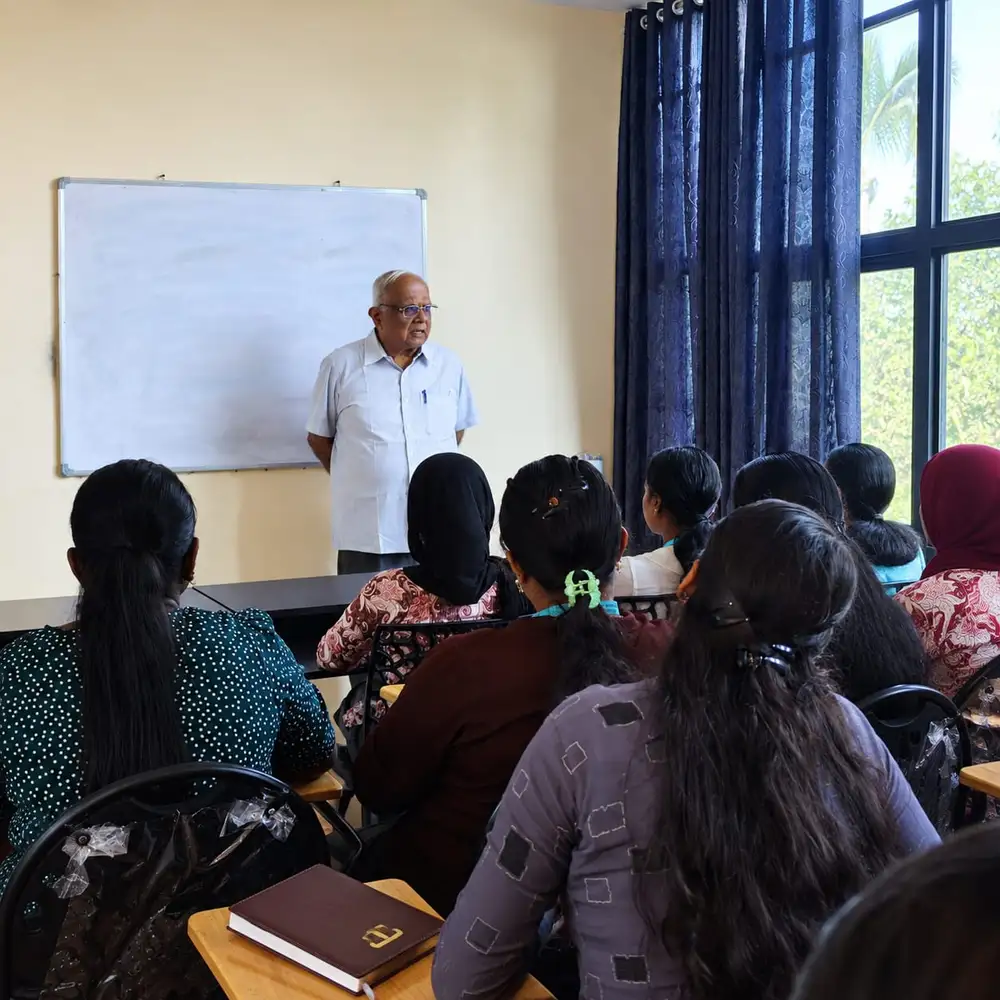
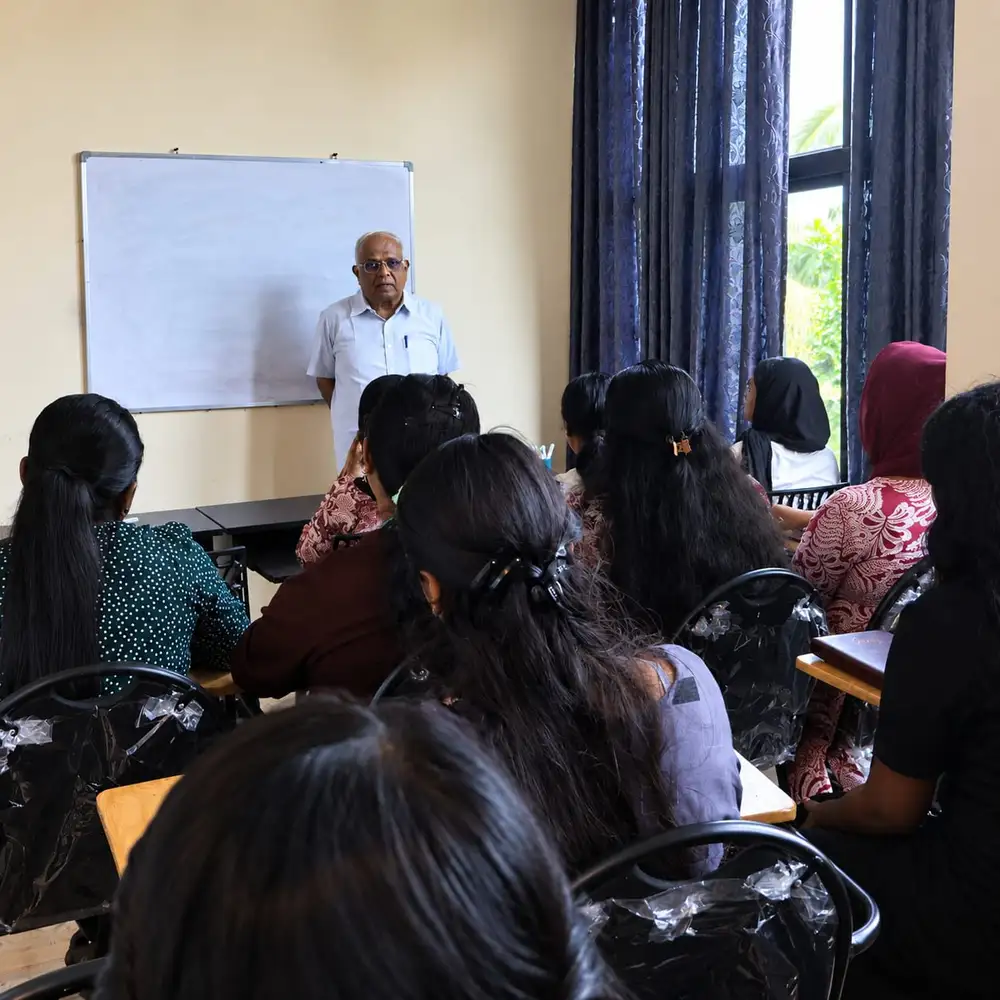
The whole process takes 6 to 12 months from enquiry to first job. Both fees are all-inclusive — live HMS lab, study materials, internship, placement support and 3 certifications (6-month, incl. UGC-approved) or 5 certifications (1-year): TTMSTRCT Council Trust Advanced Certification Diploma, UGC-approved university skill course, AI in Healthcare Administration, Hinall HMS Proficiency and HLP (Healthcare Leadership Program). Classes run live online on weekdays, with monthly hands-on practicals in the Kochi HMS lab, taught under B.V. Kumar (MHA, MBA, MA, PGDPR, PGDJ — 35+ years in India and the GCC). The placement cell carries 100% Placement Assurance — 512 graduates placed as of 31 July 2026. The five steps below show the exact sequence.
Enquire & Attend Free Counselling
Call +91 90379 86219 or WhatsApp to attend a free career counselling session at Vyttila, Kochi (or online). Learn which track — 6-month or 1-year — fits your background and goals.
Choose Your Track & Enrol
6 Months Hospital Administration Course (₹37,000) — for healthcare professionals, doctors, nurses and paramedical holders moving into a Kerala hospital administration job. 1-Year PG Diploma / Advanced Diploma (₹57,000) — for anyone targeting a higher starting salary or GCC placement (PG Diploma for degree holders, Advanced Diploma for Plus Two entrants). First instalments: ₹7,000 (6-month) or ₹5,000 (1-year). Zero-interest EMI available.
Live Online Classes + Monthly HMS Lab Practicals
Attend live weekday classes online from anywhere in Kerala. Once a month, come to the Kochi campus for hands-on practice in the Hinall HMS lab — 48 NABH-aligned modules across 16 hospital departments. This is the skill hospitals hire for.
Earn Embassy Attestable Certificates
Graduate with: (1) TTMSTRCT Council Trust Advanced Certification Diploma; (2) UGC-approved university skill course (NEP 2020); (3) AI in Healthcare Administration; (4) Hinall HMS Proficiency Certification; (5) HLP — Healthcare Leadership Program. The TTMSTRCT Diploma and UGC-approved university certificate are embassy attestable for GCC employment.
Get Placed — 100% Assurance
The Treneywann Placement Assurance programme prepares your resume, conducts hospital-style mock interviews, and connects you directly with hiring hospitals across Kerala and the GCC — until you are placed. 512 graduates placed as of 31 July 2026 at Aster Medcity, Rajagiri, VPS Lakeshore, Amrita, KIMS Health and GCC hospitals.
Frequently Asked Questions — Hospital Administration in Kerala
Hospital administration is the management of everything in a hospital except direct patient treatment — billing, HR, operations, NABH quality, patient services, medical records, insurance processing, IT and HMS software. Doctors and nurses treat patients; hospital administrators run the organisation around them.
A hospital administrator manages OPD registration flow, processes insurance pre-authorisations, supervises billing and TPA, verifies medical records and ICD coding, monitors NABH compliance, manages staff rosters and leave, generates daily MIS reports from HMS, and handles patient feedback and complaints — all in the same workday.
The 16 core departments are Front Office and Registration, Billing, TPA and Insurance, Medical Records, Human Resources, Purchase, Pharmacy, Laboratory, Quality and NABH, Operations, IT and HMS, Housekeeping, Security, Dietary Services, Marketing and PR, and Finance. Treneywann Institute of Hospital Administration in Kochi, Kerala trains all 16 on live Hinall HMS software with 48 NABH-aligned modules.
In practice, they mean the same thing. Hospital administration refers to day-to-day non-clinical operations inside a hospital. Hospital management is the same work framed with more emphasis on planning and leadership. Kerala hospital job ads use both terms for identical roles.
Treneywann Institute of Hospital Administration, Vyttila, Kochi — the only dedicated hospital administration training institute in Kerala. India's only live Hinall HMS lab (48 NABH-aligned modules, 16 departments), 5 certifications including embassy-attestable credentials (TTMSTRCT Diploma and UGC-approved university certificate), taught by B.V. Kumar (MHA, MBA, MA, PGDPR, PGDJ — 35+ years India and GCC), 100% Placement Assurance, with 512 graduates placed as of 31 July 2026.
At Treneywann Institute of Hospital Administration: ₹37,000 all-inclusive for the 6 Months Hospital Administration Course and ₹57,000 all-inclusive for the 1-year PG Diploma. Both fees cover live HMS lab, 3 certifications (6-month, incl. UGC-approved) or 5 certifications (1-year), study materials, uniform, internship and placement support — no hidden charges. EMI starts at a ₹7,000 (6-month) or ₹5,000 (1-year) first instalment.
Plus Two (10+2) pass in any stream — Science, Commerce or Arts. No NEET, no entrance exam, no medical background required. Degree holders, nurses, pharmacists, DMLT and BPT holders, working professionals and Gulf returnees are all eligible.
No. Hospital administration is a non-clinical career, and Treneywann Institute of Hospital Administration in Kochi, Kerala admits students from any stream into its 6-month and 1-year programmes. Hospitals require knowledge of hospital workflow, HMS software, billing and insurance processes and NABH quality standards — not an MBBS, nursing or paramedical qualification.
Entry-level: ₹18,000–₹25,000/month. Mid-level (department in-charge): ₹25,000–₹45,000/month. Senior roles (administrator, quality manager, operations manager): ₹45,000–₹90,000/month. GCC hospitals pay ₹80,000–₹1,50,000/month for the same roles.
Yes. Kerala has 1,200+ hospitals, 100+ NABH-accredited, and India's highest hospital density. NABH expansion, insurance growth under Ayushman Bharat PM-JAY, and an ageing population are all increasing demand for trained non-clinical staff. With GCC export demand on top, hospital administration offers one of the best career returns available to a Plus Two graduate in Kerala today.
NABH (National Accreditation Board for Hospitals and Healthcare Providers) is India's hospital quality accreditation standard — equivalent to JCI internationally. Kerala has 100+ NABH-accredited hospitals. NABH accreditation requires trained administrators for SOP documentation, internal audits, quality indicator tracking and patient safety records. NABH hospitals cannot maintain accreditation with untrained staff.
HMS (Hospital Management System) is the integrated software platform that runs every hospital department — OPD, IPD, billing, pharmacy, lab, MRD, HR, and accounts — from one system. Every modern Kerala hospital uses HMS. Administrators who can operate HMS from Day 1 are hired first and paid more. Treneywann is the only institute in India with a live HMS lab for hands-on training.
Yes. Any Plus Two stream qualifies. Commerce students excel in billing and TPA modules; Arts students bring strong communication skills to patient relations and front-office roles. No biology required. The 1-year programme (₹57,000 at Treneywann — awarded as an Advanced Diploma at Plus Two entry, a PG Diploma for degree holders) is the recommended pathway for Plus Two students.
Treneywann Institute of Hospital Administration in Kochi, Kerala teaches hospital operations across all 16 departments with live HMS software, ICD-10 and medical records, billing, TPA and insurance, NABH quality standards and leadership. The programme carries 5 certifications: TTMSTRCT Advanced Certification Diploma, UGC-approved university skill course, Hinall HMS Proficiency Certification, AI in Healthcare Administration, and HLP.
Enquire and attend counselling at Treneywann Institute of Hospital Administration in Kochi, Kerala, then enrol in the 6-month programme (₹37,000) or the 1-year programme (₹57,000). Complete the live HMS and NABH training, finish the hospital internship, and get placed through the placement cell — 512 graduates placed as of 31 July 2026. Call +91 90379 86219.
No. Treneywann Institute of Hospital Administration teaches only hospital administration — no nursing, medical coding, computer courses, logistics, or MBA. Every faculty member, lab hour, and placement partner is dedicated to hospital administration. This is why Treneywann is described as Kerala's only dedicated hospital administration training institute.
Start Your Hospital Administration Career — 14 October 2026 Batch
Kerala's only dedicated hospital administration training institute. 6 months ₹37,000 | 1 year ₹57,000. Live HMS lab. embassy attestable certificates. 100% Placement Assurance.
💬 WhatsApp: 9037986219