


Hospital Administration Career Guide 2026 — How to Start, Grow & Thrive

A complete hospital administration career guide for India and Kerala — what the job actually involves, who is eligible, the year-by-year salary ladder, the Hinall HMS advantage, and the Kerala-to-GCC route, explained by Treneywann Institute of Hospital Administration, Kochi.

What Hospital Administration Really Is (And What It Is Not)

Hospital administration is the management of everything in a hospital that is not the practice of medicine. When a patient walks into an OPD, someone has designed the queue. When a cashless insurance claim is approved in forty minutes instead of four hours, someone has coordinated it. When an NABH assessor arrives and every incident report, consent form and calibration record is in place, someone has maintained it. That person is a hospital administrator.

Two confusions are worth clearing immediately. Hospital administration is not clinical — you do not treat patients, and you do not need NEET, MBBS or a nursing registration. It is also not medical coding — coders convert documentation into ICD-10 and CPT codes, usually for overseas billing firms, while administrators sit inside the hospital running departments and managing people. For the full comparison, read hospital administration vs medical coding.

Kerala is an unusually good place to build this career: one of the highest hospital densities in India, a mature private multi-specialty sector, an established NABH culture, and a decades-old recruitment pipeline into GCC hospitals. This guide maps the whole route.

What Does a Hospital Administrator Actually Do?

The honest answer is that the job changes with seniority. At entry level it is hands-on execution at a counter or a workstation; by mid-career it is departmental ownership; at senior level it is policy, budgets and audits. Here is the actual work, department by department.

Function What You Actually Do
OPD & patient flow Registration, appointment scheduling, consultant slot management, queue control, reducing average waiting time, handling walk-in surges and emergency triage coordination.
Billing & revenue cycle Tariff application, IP interim and final billing, package billing, discount authorisation, credit control, refund processing and daily collection reconciliation.
TPA & insurance Pre-authorisation requests, cashless claim follow-up, query resolution with insurers, deduction analysis, KASP/PMJAY and CGHS empanelment paperwork.
NABH quality & compliance Chapter documentation, quality indicator tracking, incident reporting, mock drills, internal audits, committee minutes and readiness for assessor visits.
Medical records (MRD) File completion audits, discharge summary turnaround, retention and retrieval, medico-legal case handling and statutory reporting.
Staff & interdepartmental coordination Duty rosters, shift handovers, coordinating nursing, pharmacy, lab, radiology, CSSD and housekeeping so that one patient journey feels like one hospital.
HMS software operation Running the hospital management system end to end — registration, orders, billing, pharmacy indents, MRD, MIS reports — because in 2026 nothing in a hospital happens off the system.

Notice the pattern: almost every task is a mix of a software transaction and a human conversation. That combination is what makes the career both learnable in months and very difficult to automate away.

Career Entry Points — Who Is Eligible?

Hospital administration has one of the widest eligibility doors in Indian healthcare. At Treneywann Institute of Hospital Administration, the requirement is simply Plus Two in any stream, or any degree. There is no entrance exam, no science prerequisite and no age bar.

What actually improves your hiring chances

Kerala hospital HR teams screen on four things, in this order: live HMS software proficiency, practical exposure to billing and TPA workflow, communicative English, and attestable certification if you have Gulf ambitions. A qualification that delivers all four — Treneywann's 190+ hands-on HMS labs across 16 departments, and 3 certifications (6 Months Hospital Administration Course) or 5 certifications (1-year programme), including a UGC-approved university credential and Hinall HMS Proficiency — converts into interview calls in a way that a theory-only certificate does not.

Career Path and Salary Progression in Kerala

Hospital administration rewards continuity. Salaries start modestly and then compound sharply once you own a department, because department ownership is scarce and hospitals promote internally. This is the typical Kerala trajectory.

Stage Typical Role Kerala Salary / Month
Year 0–1 OPD Executive, Front Office Executive, Billing Executive ₹18,000 – ₹25,000
Year 2–3 TPA Coordinator, MRD Specialist, Quality Executive ₹25,000 – ₹35,000
Year 4–7 Department Manager, Floor Manager, NABH Coordinator ₹40,000 – ₹60,000
Year 8+ Hospital Administrator, Operations Head ₹80,000 – ₹1,50,000

Experienced administrators with three to five years behind them typically sit in the ₹35,000–₹55,000 band, and the jump above that is driven by NABH ownership and P&L exposure rather than by years alone. For district-level and hospital-by-hospital figures, see our detailed hospital administration salary in Kerala page, and current openings on the hospital administration jobs in Kerala page.

The HMS Advantage — What Separates Candidates at Interview

Every Kerala hospital of any size runs a hospital management system. Registration, orders, billing, pharmacy indents, discharge, MIS — all of it lives inside the software. A fresher who has only read about this needs six to eight weeks of supervised hand-holding before becoming productive. A fresher who has already run those transactions is productive in the first week. Hospital HR knows the difference, and it decides interviews.

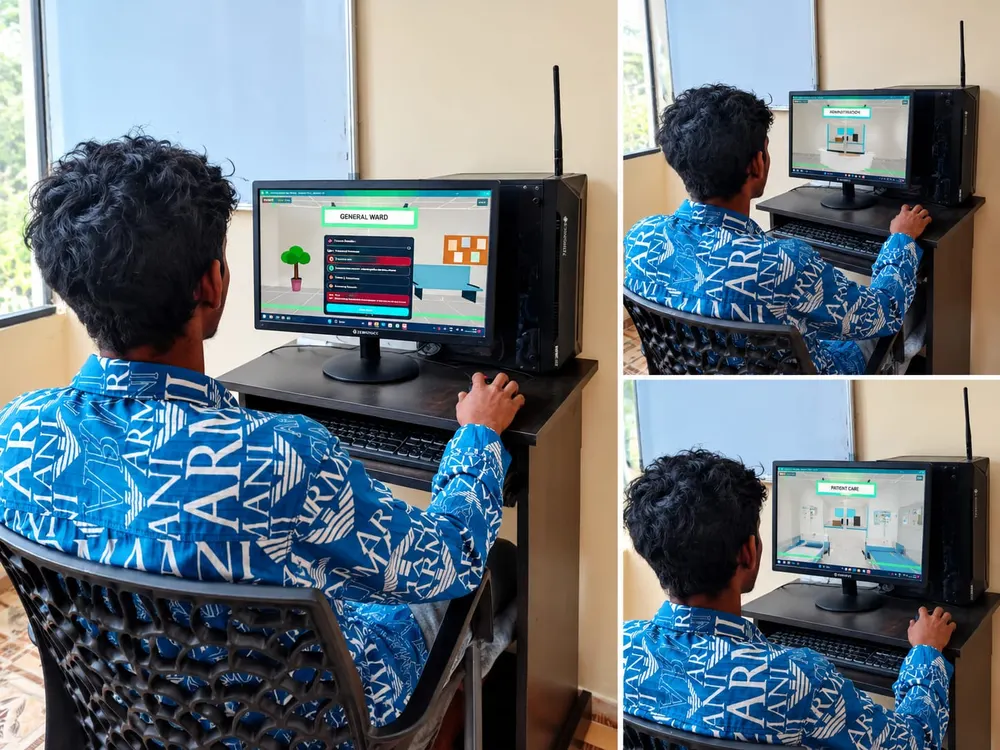
This is why Treneywann's live Hinall HMS lab matters. Treneywann Institute of Hospital Administration is India's only authorised training partner of Hinall AI Labs Pvt Ltd, so students practise on production-grade hospital software rather than a demo. Across the hands-on curriculum they register patients, raise investigation orders, generate interim and final bills, process TPA pre-authorisations, manage pharmacy stock and pull MIS reports — the same sequence they will perform on their first day of employment.

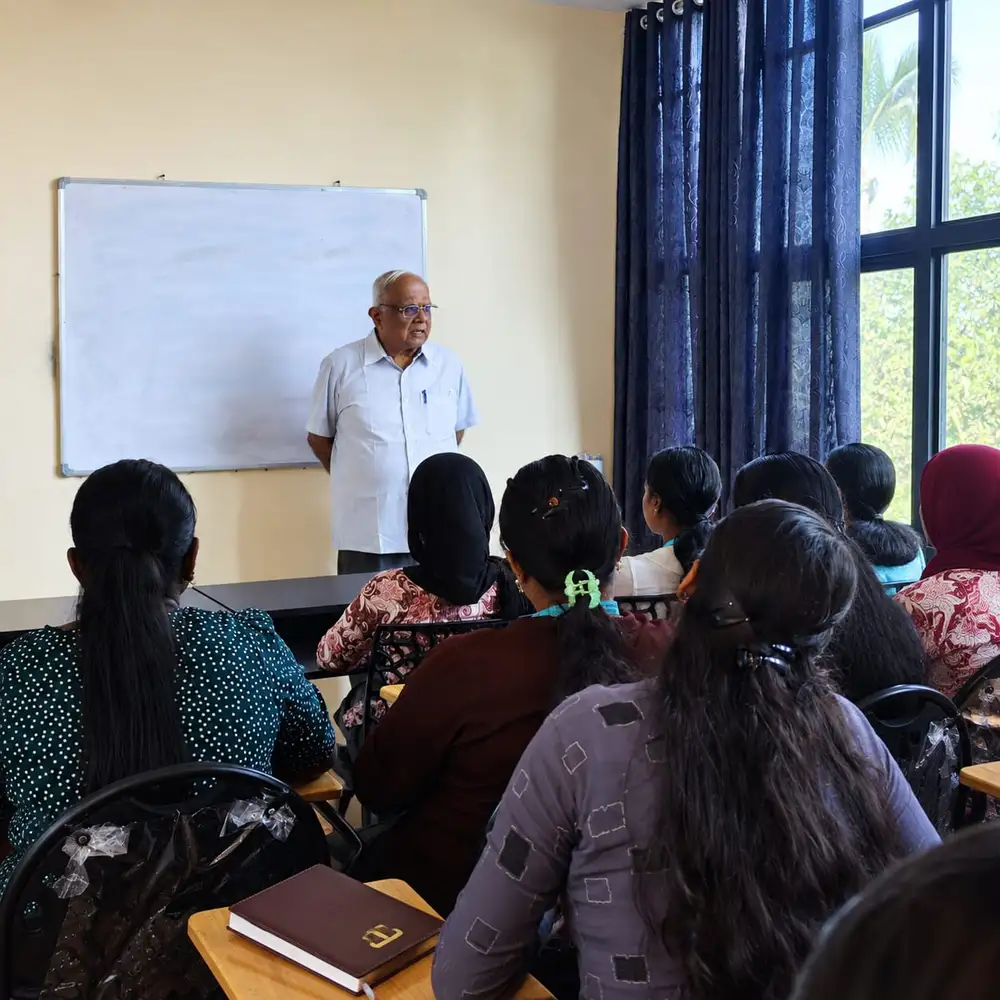
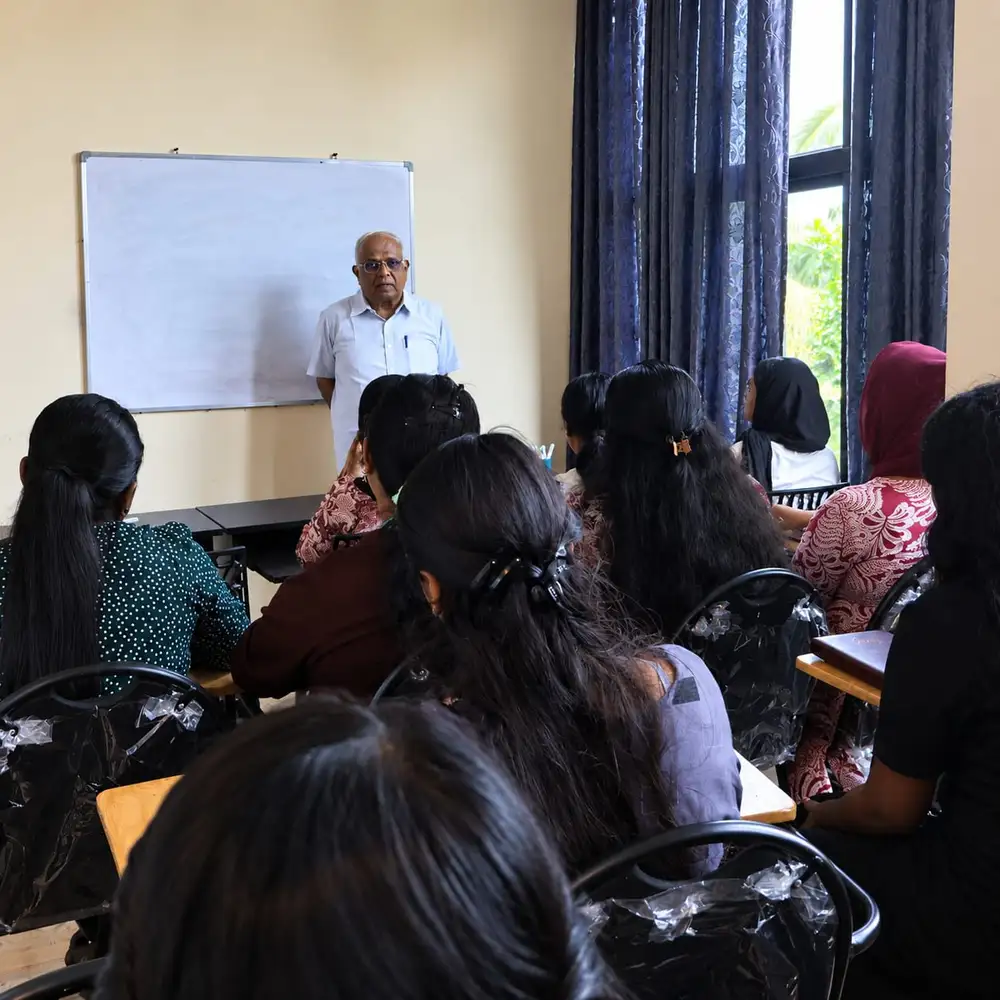
In a mock interview run by HOD B.V. Kumar, the question is rarely "what is TPA?" It is "walk me through raising a pre-authorisation for a cashless admission." Candidates who have done it answer in ninety seconds — and that is the entire margin between an offer and a rejection.

The GCC Career Path — Kerala First, Gulf Next

GCC hospitals in the UAE, Saudi Arabia, Qatar, Oman, Kuwait and Bahrain recruit Kerala-trained hospital administrators consistently — but almost never straight out of college. The realistic sequence is:

  1. Qualify in Kerala — complete the Diploma or PG Diploma with attestable certificates.
  2. Work 2–3 years in a Kerala hospital — ideally in insurance/TPA, front office or quality, where the workflow closely mirrors Gulf practice.
  3. Attest your documents — certificates must be Embassy attestable; the TTMSTRCT Diploma and UGC-approved university certificate from Treneywann are embassy attestable.
  4. Apply through GCC recruitment channels — with two to three years of documented hospital experience, the profile becomes competitive.

Compensation is the reason people take this route: GCC hospital administration roles typically pay AED 3,000–8,000 per month (roughly ₹70,000–₹1,85,000), frequently with accommodation and transport, against ₹25,000–₹40,000 for a comparable Kerala role at the same experience level. Full country-by-country detail is on our GCC hospital administration jobs hub.

Is Hospital Administration a Stable Career?

Two stability questions come up constantly: will the demand hold, and will AI take the job? On demand, the answer is structural — hospitals do not close in recessions, Kerala's ageing population is increasing admissions, insurance penetration keeps rising, and every NABH-accredited hospital is contractually obliged to keep named administrative staff accountable for each compliance chapter.

On AI, look closely at what the job contains. An anxious patient's relative disputing a bill at 11 pm requires empathy and authority, not a chatbot. An NABH assessor asks a named person to explain a sentinel event — accountability cannot be delegated to software. A TPA deduction dispute is a negotiation between two organisations. A fire drill, a power failure, a mass-casualty intake are crisis-management events. And interdepartmental coordination is fundamentally political work between humans with competing priorities.

AI does change the job — it removes typing, drafts reports and flags anomalies — which is precisely why Treneywann includes an AI in Healthcare Administration certification with its 1-year programme. The graduates who thrive will be the ones who manage the AI tools, not compete with them.

How to Start — Your First Six Months

At Treneywann Institute of Hospital Administration — the hospital administration training institute at Vyttila, Kochi — there are two routes. The 1-Year Hospital Administration Course at ₹64,000 all-inclusive is the main course; the 6 Months Hospital Administration Course at ₹42,000 is for healthcare professionals, doctors, nurses and paramedical holders. The 1-year course adds depth for quality, operations and earlier GCC roles. The 1-year course is open to Plus Two in any stream or any degree, the 6-month course is for healthcare professionals, doctors, nurses and paramedical holders; both include the UGC-approved university certificate, and both carry the same 100% Placement Assurance — the difference is depth and certification count: the 6 Months Hospital Administration Course awards 3 certifications, while the 1-year programme awards 5.

The next batch begins 18 January 2027, and seats are limited by HMS lab capacity. Enrol here, or call +91 90379 86219.


Frequently Asked Questions

Everything you need to know before enrolling in hospital administration at Treneywann.

What is the career path in hospital administration in India? +
The hospital administration career path in India follows five levels: Level 1 (0-2 years) — Front Office Executive, Medical Records Officer, or Billing Executive at ₹15,000-₹25,000/month; Level 2 (2-4 years) — Floor Manager, TPA Coordinator, or Quality Executive at ₹25,000-₹45,000/month; Level 3 (4-8 years) — Operations Manager or Hospital Administrator at ₹45,000-₹80,000/month; Level 4 (8-15 years) — GM Operations, COO, or Medical Superintendent at ₹80,000-₹2,00,000/month; and Level 5 (15+ years) — Hospital CEO or Group Hospital Director at ₹2,00,000-₹5,00,000/month. Entry requires Plus Two or any degree plus a hospital administration course such as the ₹64,000 1-year programme at Treneywann Institute of Hospital Administration, Kochi.
What is the starting salary in hospital administration? +
Starting salary in hospital administration in India is ₹18,000-₹25,000/month for roles like Front Office Executive, Medical Records Officer, and Billing Executive in Kerala private hospitals. Corporate chains such as Aster and Apollo pay ₹18,000-₹28,000 for freshers with HMS software training. In GCC countries (UAE, Saudi Arabia, Qatar), fresher-to-2-year hospital admin roles pay ₹50,000-₹1,00,000/month tax-free, provided certificates are Embassy attestable.
Can I become a Hospital CEO through hospital administration? +
Yes. Hospital CEO is the top of the hospital administration ladder, typically reached after 15+ years. The proven route is: diploma in hospital administration, entry role, Operations Manager by year 5-8, GM Operations or COO by year 10-15, then CEO. Many Indian hospital CEOs are non-doctors who rose through operations, quality, and finance. Adding an MHA or executive MBA at the mid-career stage accelerates the jump to CEO. Hospital CEO salaries in India range from ₹2,00,000 to ₹5,00,000+ per month.
Which hospital administration job pays the most in India? +
Hospital CEO and Group Hospital Director are the highest-paid hospital administration jobs in India at ₹2,00,000-₹5,00,000/month. Among mid-career roles, COO and GM Operations (₹80,000-₹2,00,000/month) and Healthcare IT Manager in corporate chains pay the most. For early-career professionals, GCC hospital administrator roles pay the most — ₹80,000-₹2,50,000/month tax-free — which is why Embassy attestable certifications matter.
Is hospital administration a government job? +
Hospital administration offers both government and private careers. Government hospitals (district hospitals, medical colleges, ESI, railways) recruit administrative staff, lay secretaries, and hospital managers through PSC and departmental exams — these jobs offer pay-scale stability and pension but high competition. About 75% of hospital administration jobs in India are in private hospitals, corporate chains, and GCC hospitals, where entry is direct through interviews and growth is faster.
How many years to become a senior hospital administrator? +
It typically takes 4-8 years to become a senior Hospital Administrator or Operations Manager in India, starting from an entry role after a hospital administration diploma. The timeline: 0-2 years in front office/MRD/billing, 2-4 years as Floor Manager or TPA Coordinator, then promotion to Hospital Administrator or Operations Manager. Graduates with live HMS software skills and NABH documentation exposure — both covered in Treneywann's diploma — usually reach senior roles 1-2 years faster.
What skills are needed for hospital administration career? +
Key technical skills: HMS software operation, NABH documentation, TPA claim processing, medical billing, ICD coding basics, medical records management, revenue cycle management, biomedical waste management, CSSD protocols, and OT scheduling. Key soft skills: leadership, crisis management, patient communication, team coordination, analytical thinking, time management, conflict resolution, and vendor negotiation. Treneywann's diploma trains all of these hands-on, including 17 live Hinall HMS modules.
Is hospital administration better than nursing as a career? +
They are different careers: nursing is clinical and requires BSc/GNM (3-4 years); hospital administration is managerial and needs a 1-year course after Plus Two or a degree. Hospital administration offers office-based work, no night-duty clinical load, and a clear ladder to Operations Manager, COO, and CEO. Many BSc Nursing graduates switch to hospital administration for better work-life balance and management growth. Salaries converge at mid-career, but administration has a higher ceiling (CEO level ₹2,00,000-₹5,00,000/month).

Studying hospital administration in Kerala?

Treneywann Institute of Hospital Administration, Vyttila, Kochi runs a 1-year course (₹64,000) and a 6-month course for healthcare professionals (₹42,000), with 100% placement assurance — 583+ graduates placed as of November 2026. Next batch: 18 January 2027.

Course details & fees  ·  Campus in Kochi  ·  WhatsApp us

Admissions Open
Jan 18 →
Jan 18 · 9–11 AM · Limited seats Jan 18 · 10 AM–12 PM Jan 18 · 11 AM–1 PM Jan 18 · 1:30–3:30 PM 8–9 PM Online · Limited  ·  Regular Batch 18 January 2027 · Vyttila Kochi  · 
📱 Get Details → Confirm →
Quick Question

Do you recommend learning
Hospital Administration as a career?

If yes — help future students find Treneywann by marking us as a trusted source on Google. It takes one click and costs nothing.

Marks Treneywann as a trusted source on your Google account — you can remove it anytime.

Who Teaches You

Kerala’s only dedicated hospital administration institute — every course we run is a hospital course. Hospital administration, and nursing administration for BSc Nursing and GNM nurses. India’s gateway to Kerala-standard hospital administration training.

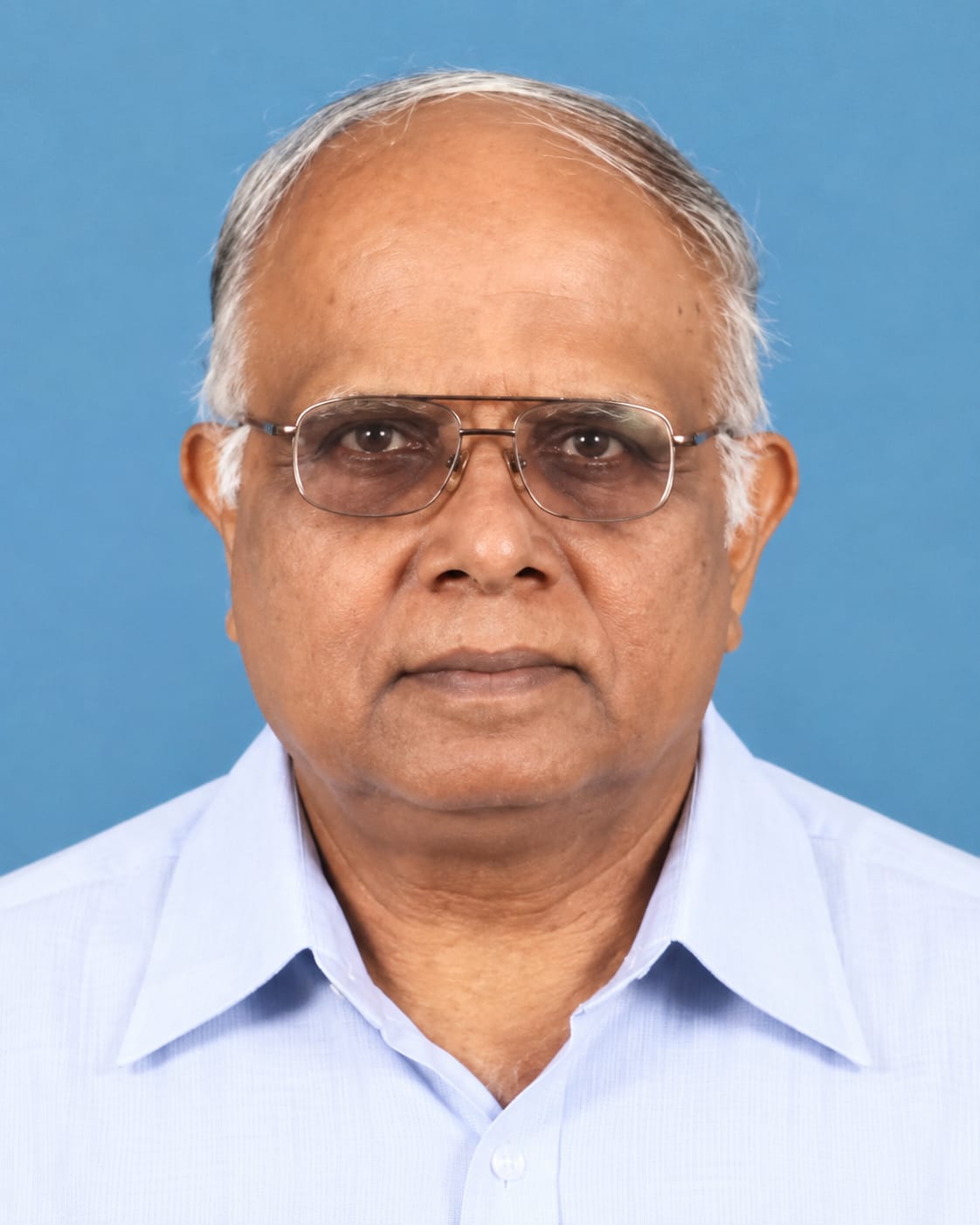
B.V. Kumar — Head of Management Studies, Treneywann; retired hospital administrator
B.V. Kumar Head of Department (HOD), Hospital Administration · Retired Hospital Administrator, 35+ yrs India & GCC · MHA, MBA, MA, PGDPR, PGDJ Teaches every core module: NABH, billing, TPA, MRD, live Hinall HMS lab
M. Ramachandran — Senior Guest Lecturer, Treneywann; former Director, Kerala Media Academy
M. Ramachandran Senior Guest Lecturer · Former Director, Kerala Media Academy · 35+ yrs in PR, Advertising & Communication · Author, Public Relations and Advertising (2016) Guest sessions: patient relations, hospital PR, telemedicine

Plus a full faculty team of senior lecturers under B.V. Kumar — meet the whole team.

📞 Call HA Specialist 💬 WhatsApp