.png)






For BSc Nursing graduates · including Post-Basic BSc
Nursing Administration After BSc Nursing
You have the degree. The question is whether the next step has to be two more years of study — or six months that teach you the half of the supervisor’s job nobody covered in the BSc.
What BSc Nursing Gave You, and What It Didn't
A BSc Nursing is a serious clinical education. It is also, almost entirely, a clinical education. Somewhere between the second and the fifth year of working life, most BSc nurses discover that the things now standing between them and a better post are not clinical at all: can you build a roster that holds, can you defend a staffing number to an administrator, can you keep a unit assessment-ready, can you manage a team that includes people senior to you in age and junior to you in rank.
Nobody taught that. The BSc curriculum has a nursing-administration component, but it is taught as theory to students who have never held a ward. It lands differently — and usefully — once you have.
The Honest Comparison: This Course vs MSc Nursing
| Nursing Administration (Treneywann) | MSc Nursing | |
|---|---|---|
| Duration | 3 or 6 months | 2 years, full time |
| Cost | ₹10,000 / ₹20,000 | ₹1,00,000–₹5,00,000+ |
| Entrance | None — counselling call | Entrance examination |
| Can you keep working? | Yes — online + weekends | Generally no |
| Recognition | TTMSTRCT + UGC-approved university skill certification | INC postgraduate nursing qualification |
| What it is for | The administrative half of charge, supervisory and superintendent roles | Clinical specialisation, teaching posts, academic and INC-linked career paths |
These are not competitors so much as different tools. If you want to teach in a nursing college, or to specialise clinically, MSc Nursing is the qualification and this course is not a substitute for it. If you want to run a unit well and have that recognised, two years and several lakhs is a very expensive way to learn rostering. The full comparison is here.
Why This Suits a BSc Graduate Specifically
- You already have the degree, so the UGC-approved university advanced skill certification from the 6-month programme sits on top of a graduate qualification — which is how an HR desk reads it.
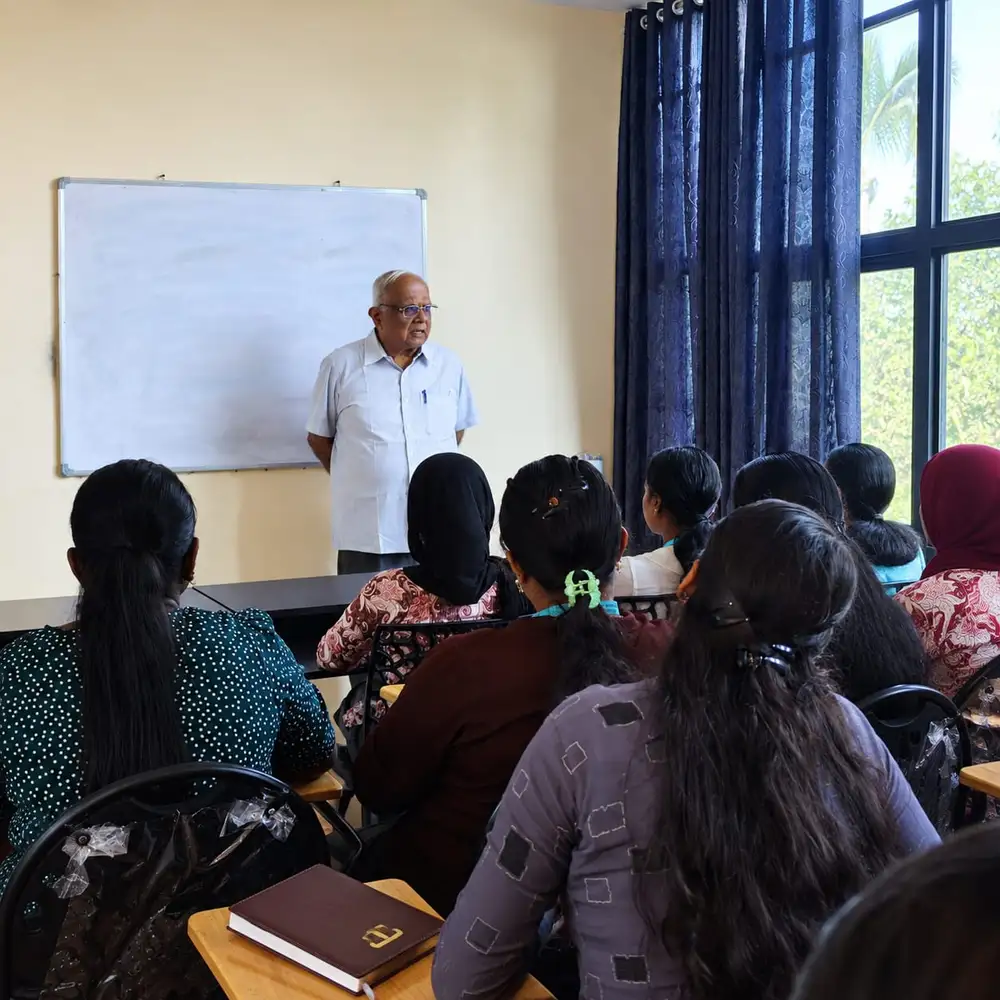
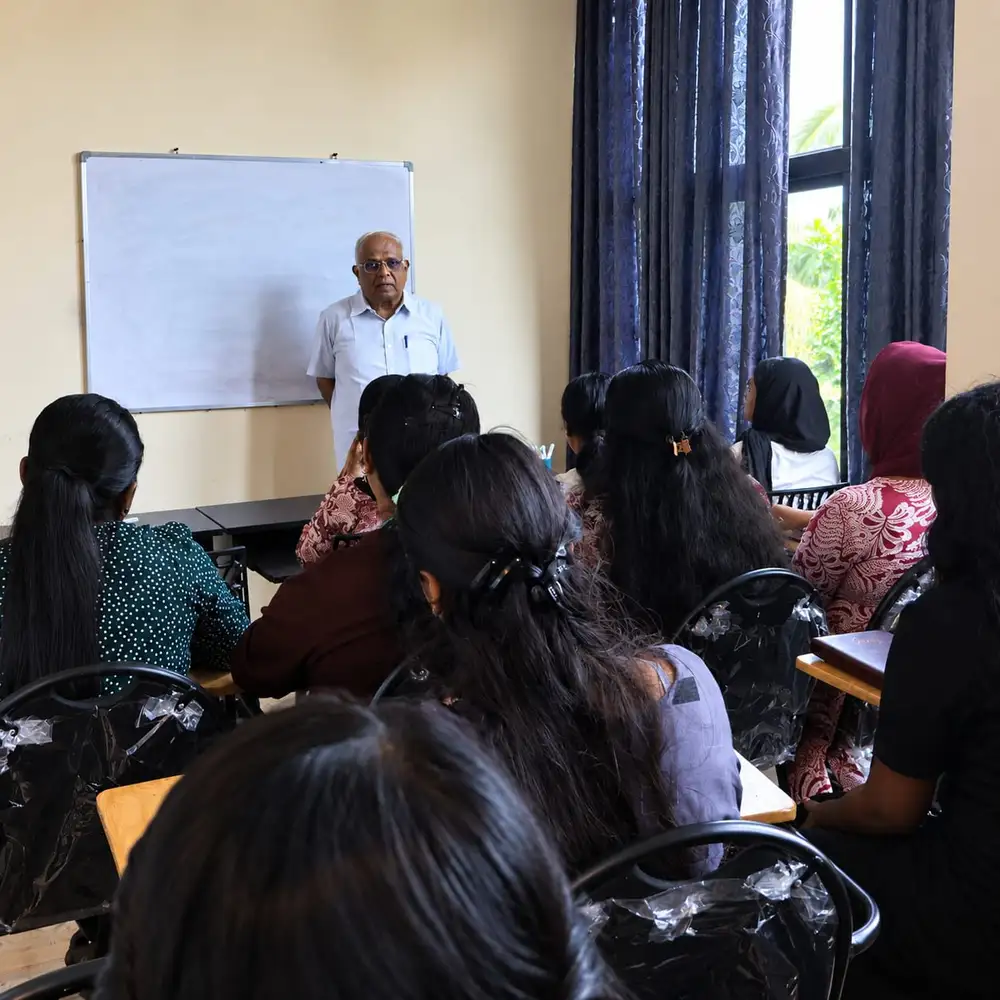
- You can do it in service. Classes are online, practicals are at weekends at Vyttila, Kochi, and sessions are recorded. Your roster does not have to change.
- It is immediately usable. Every module answers something you are being asked this month, not something you might need after a postgraduate degree.
- It costs less than one month’s salary for most working BSc nurses, which means no loan and no family conversation.
Post-Basic BSc Nursing
Post-Basic BSc Nursing graduates are equally eligible and, in practice, are often the best-placed candidates on the course — they usually come with several years of GNM-era floor experience behind the degree, which is exactly the background that makes the administration modules click. If you completed GNM and then Post-Basic BSc, you are eligible on both counts.
Where It Leads
The realistic progression from a BSc plus this course is: staff nurse → ward in-charge or charge nurse → nursing supervisor → assistant nursing superintendent. How fast depends on your hospital and your experience; the qualification does not skip steps, but it does make you the obvious candidate when a step opens. See how to become a nursing superintendent in Kerala and what each of those roles pays.
If you are considering leaving bedside nursing altogether for a hospital administration desk, that is a different and equally legitimate path — see hospital administration after BSc Nursing. This course is for the nurse who wants to stay in nursing and go up.
Stated plainly: this is not MSc Nursing and not an Indian Nursing Council qualification. It does not change your clinical registration and does not by itself make anyone a Nursing Superintendent. It is an administration and management training for nurses, with two certificates including a UGC-approved university skill certification, that prepares you for the administrative half of charge, supervisory and superintendent roles.
Frequently Asked Questions
Can a BSc Nursing graduate join the nursing administration course?
Yes. BSc Nursing, including Post-Basic BSc Nursing, is eligible. There is no entrance examination and no age limit.
Is this better than MSc Nursing?
It is different, not better. MSc Nursing is a two-year INC postgraduate qualification for clinical specialisation and teaching posts. This is a 3- or 6-month administration and management training for nurses moving into charge and supervisory roles, which can be taken while working. If you want to teach in a nursing college or specialise clinically, MSc Nursing is the qualification you need.
How long does it take after BSc Nursing?
Three months (₹10,000) or six months (₹20,000). Both can be completed while working, as classes are online with weekend sessions at Vyttila, Kochi.
What certificates will I get?
Two. The 6-month programme awards the TTMSTRCT Council Trust diploma certificate and a UGC-approved university advanced skill certification; the 3-month awards the TTMSTRCT certificate and a UGC-approved university skill certification.
Does it change my nursing registration?
No. This is an administration and management qualification. Your clinical registration is unaffected.
More on Nursing Administration
Call +91 90379 86219 or WhatsApp +91 90379 86220 — counselling and admission are completed by phone. Treneywann Management Studies, Vyttila, Kochi.