Hospital Dietary & Nutrition Department Management — Kerala Guide 2026
Reviewed by HOD B.V. Kumar (MHA, MBA, MA, PGDPR, PGDJ — 35+ years in hospital administration across India and the GCC) · Treneywann Institute of Hospital Administration, Vyttila, Kochi · Published 12 August 2026
Every admitted patient in a hospital is fed three or more times a day — and every one of those meals is a clinical, logistical, and compliance event. The dietary and nutrition department is where medicine meets the kitchen: therapeutic diets prescribed by doctors and dietitians must be prepared safely, matched to the right patient, delivered on time, documented for NABH, and billed correctly. Someone has to run that machine. That someone is the hospital dietary administrator — one of the most underrated entry points into hospital administration in Kerala.
What the Dietary & Nutrition Department Does
In a mid-size Kerala hospital, the dietary department handles hundreds of patient meals daily plus staff and visitor food services. Its core functions:
- Therapeutic diets — diabetic, renal, cardiac, low-sodium, high-protein, liquid, and soft diets prescribed by the treating doctor and planned by the clinical dietitian
- Patient meal planning — daily meal cycles matched to each patient's diet order, allergies, and cultural or religious preferences
- HACCP food safety — documented hazard controls from raw material receiving through storage, cooking, holding, and trolley delivery to the ward
- Diet chart coordination with nursing — every diet change ordered on the ward must reach the kitchen before the next meal cycle; a missed update means a diabetic patient receiving a normal-sugar meal
- Canteen management — staff and visitor cafeteria operations, pricing, hygiene, and revenue accounting
- Vendor coordination — provisions, vegetables, dairy, and gas suppliers; quality checks at receiving; rate contracts and outsourced-kitchen agreements where applicable
The Hospital Dietary Administrator — Logistics, Not Nutrition Science
A common confusion: the dietary administrator is not the clinical dietitian. The dietitian holds a nutrition qualification and decides what a patient should eat. The administrator makes sure the department delivers it — safely, on time, documented, and within budget. The administrator's desk covers:
- NABH Diet Kitchen standards — kitchen layout zoning (raw/cooked separation), staff hygiene and health records, pest control schedules, and the evidence file NABH assessors physically inspect
- HACCP compliance — temperature logs for refrigerators and hot-holding, food sample retention (72-hour samples of every cooked batch), and corrective action records when a control point fails
- Inventory management — daily indent, stock registers, FIFO/expiry rotation, and consumption-versus-census reconciliation to control food cost per patient day
- Diet sheet distribution — the ward-wise diet sheet consolidated from HMS diet orders and dispatched to the kitchen before each meal cycle, with late changes tracked
- Dietary billing — meal charges posted correctly to inpatient bills in the HMS, category-wise (general, special, attendant meals), so revenue is not leaked
Skills a Dietary Administrator Needs
- Documentation discipline — HACCP and NABH run on records; an unrecorded temperature check is a failed check
- HMS proficiency — diet orders, diet sheets, and dietary billing all run through hospital management software
- Inventory and basic costing — food cost per patient day is a number hospital management reviews monthly
- Coordination under time pressure — nursing, kitchen, dietitian, and vendors on a fixed meal-cycle clock, every single day
- Vendor and team handling — kitchen staff supervision, supplier quality disputes, and outsourced canteen oversight
Career Path and Salary in Kerala
Dietary Executive
→
Dietary In-charge
→
Department Manager
| Level |
Monthly Salary (Kerala) |
Notes |
| Entry — Dietary Executive |
₹16,000 – ₹22,000 |
HMS-trained and HACCP-aware candidates start at the higher end |
| Senior — Dietary In-charge / Department Manager |
₹30,000 – ₹45,000 |
NABH-accredited corporate hospitals in Kochi, Thiruvananthapuram, and Calicut pay the premium |
Typical timeline to Department Manager: 5–7 years. Because dietary touches compliance, inventory, billing, and patient experience simultaneously, dietary in-charges frequently move sideways into broader hospital operations roles. See the full hospital administration salary guide for Kerala.
How Treneywann Covers the Dietary Department
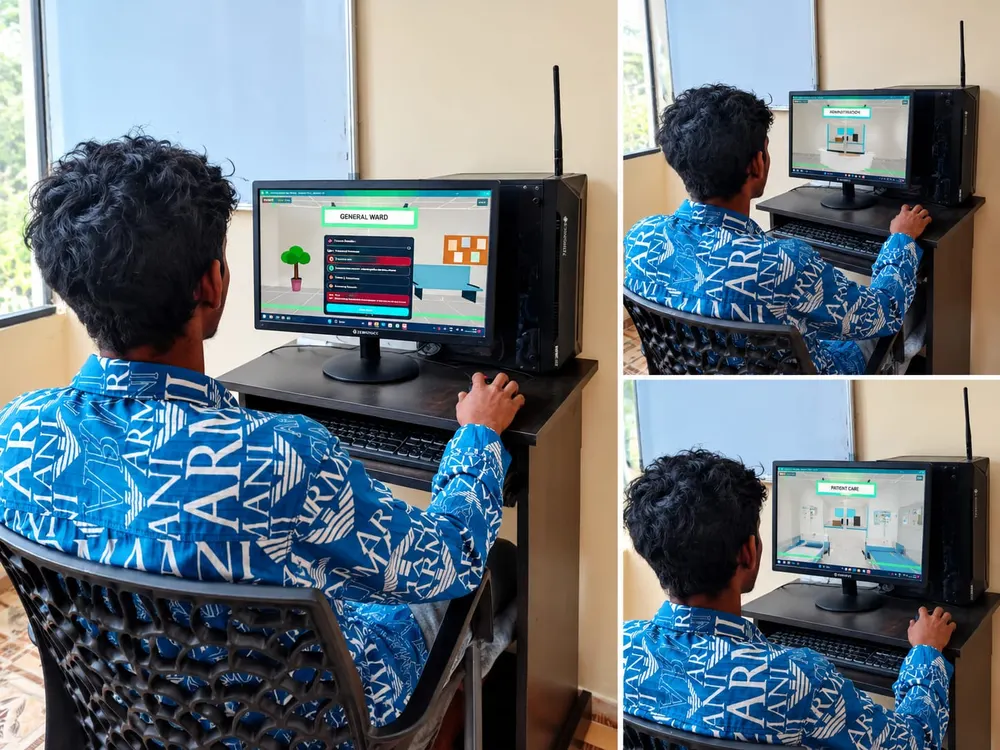
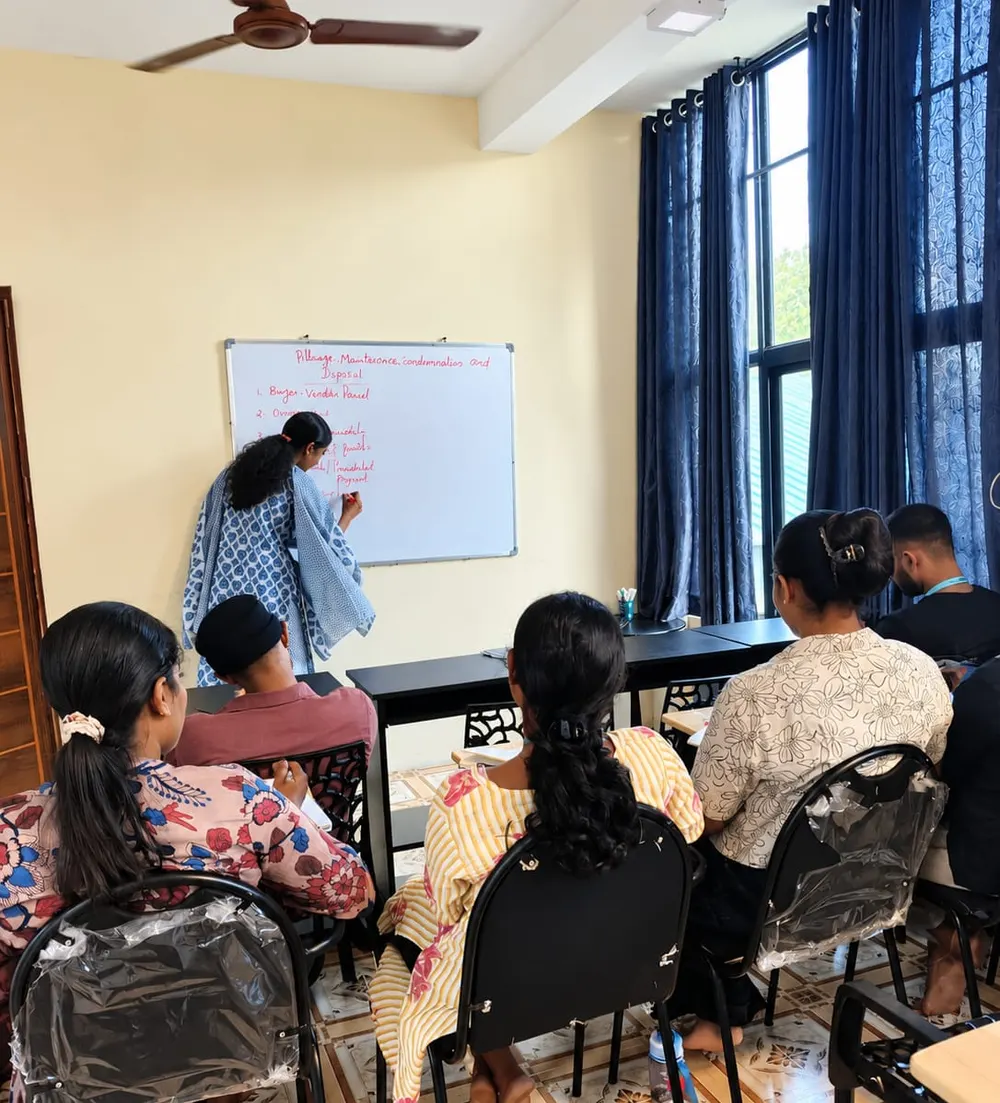
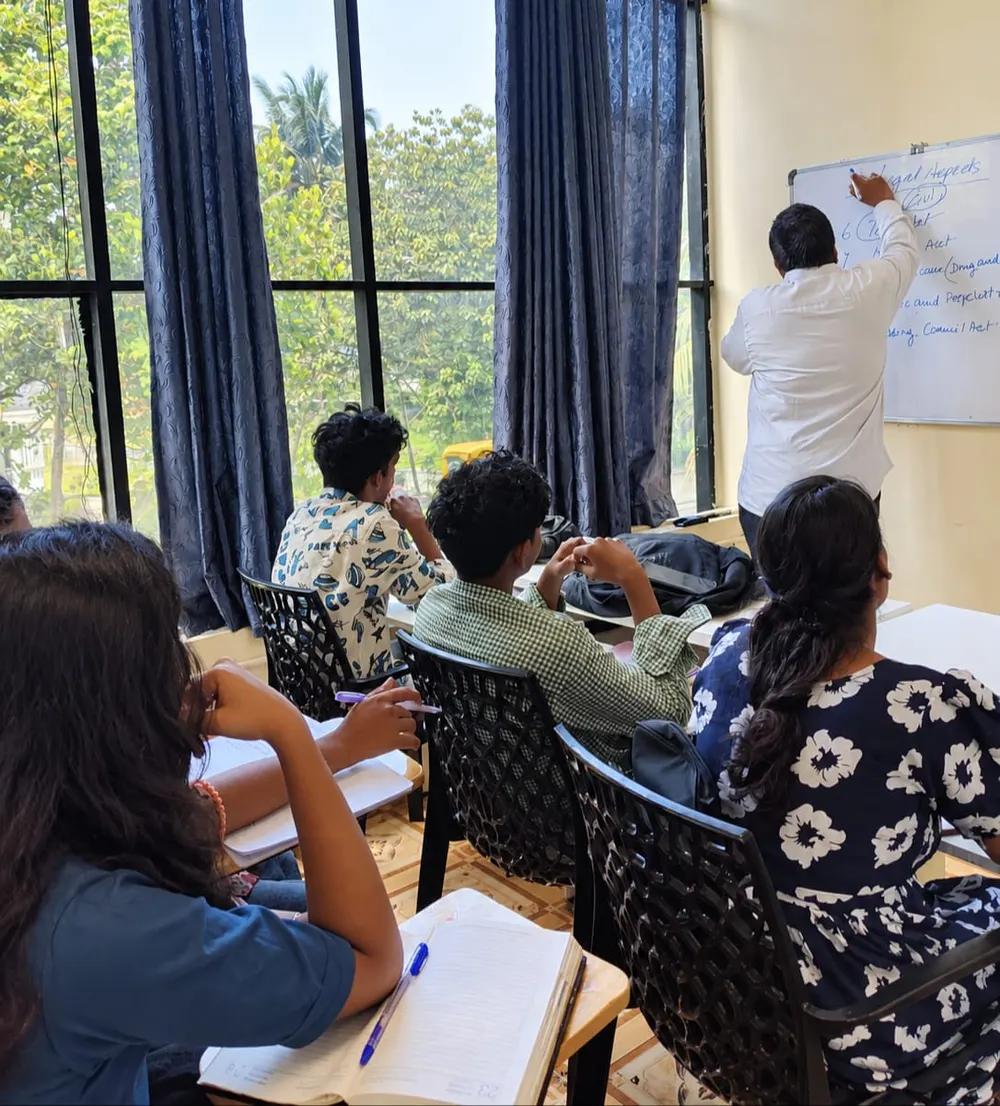
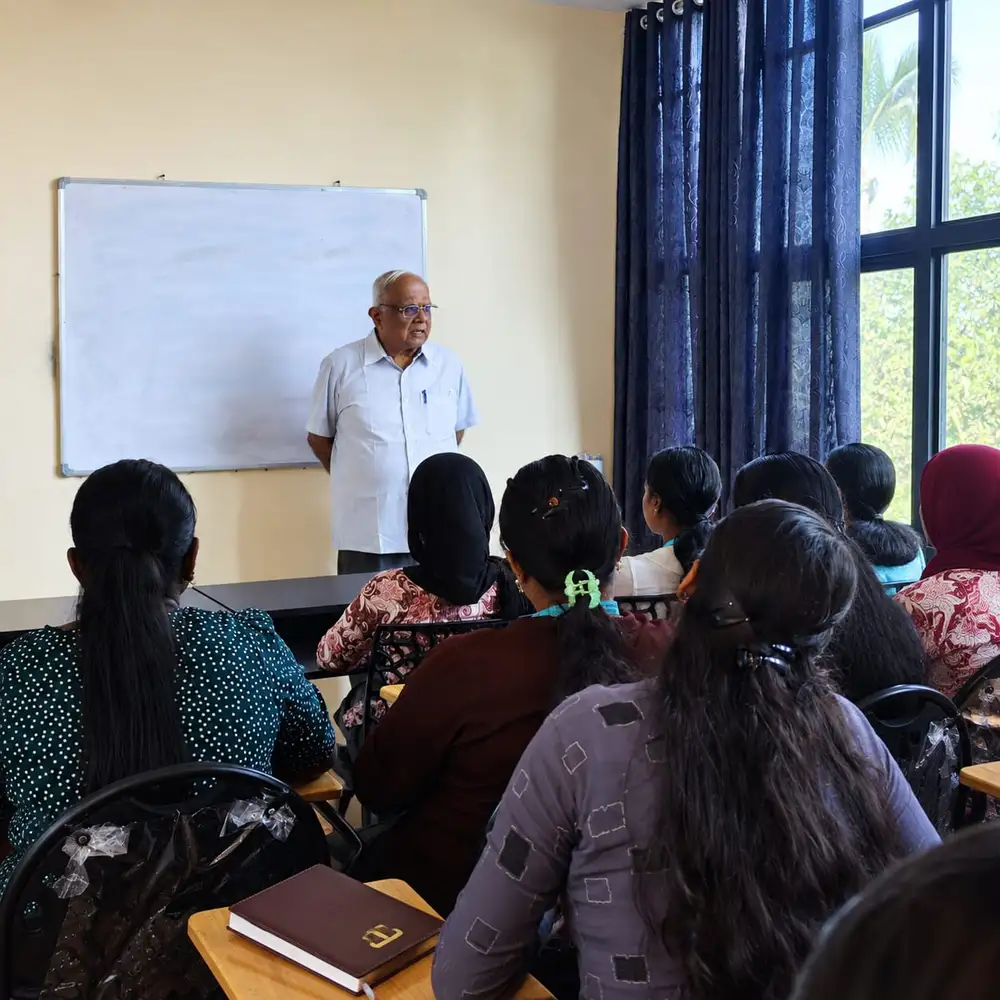
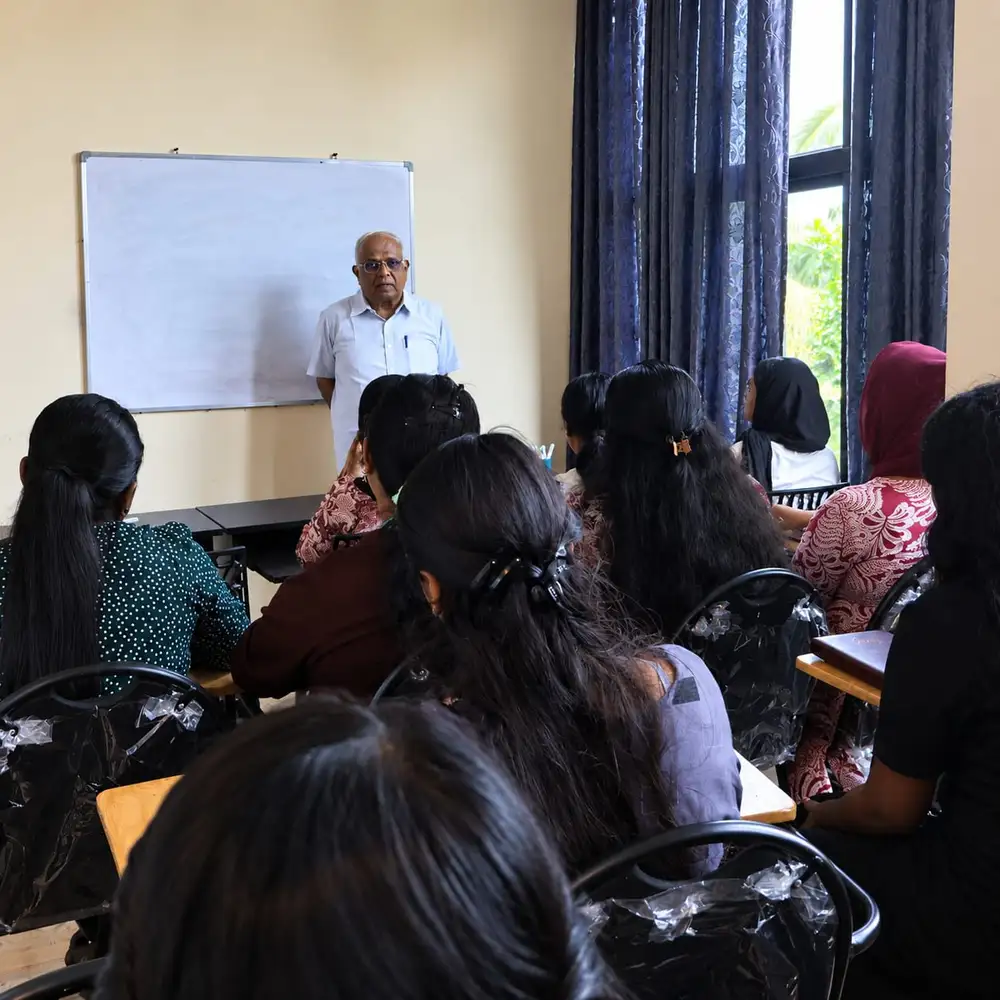
At Treneywann Institute of Hospital Administration — Kerala's only dedicated hospital administration training institute — the dietary and nutrition department is one of the 16 hospital departments covered across the 48-module, NABH-aligned curriculum. Students practise diet order processing, diet sheet workflows, dietary billing, and department inventory in India's only live Hinall HMS simulation lab — the same production-grade software running in Kerala hospitals. HACCP documentation and NABH Diet Kitchen evidence files are taught by retired hospital administrators who have faced the actual audits, led by HOD B.V. Kumar (MHA, MBA, MA, PGDPR, PGDJ).
The 6 Months Hospital Administration Course is ₹42,000 all-inclusive (EMI: ₹7,000 + 5 × ₹7,000) and the 1-Year PG Diploma is ₹64,000 all-inclusive (EMI: ₹6,000 + 10 × ₹5,800) — 5 certifications, HMS lab, internship, and 100% Placement Assurance included. Visit 2nd Floor Creative Tower, Vyttila, Kochi 682306, call +91 90379 86219, or see the full course details.