.png)

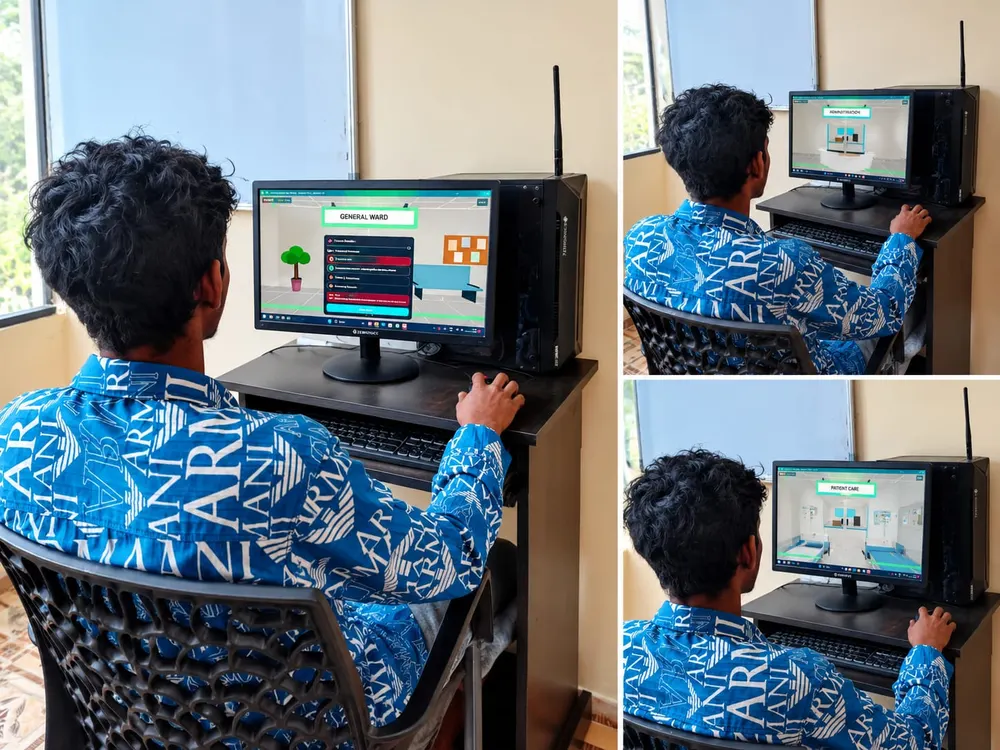












Patient waiting time is the #1 complaint in healthcare today. For Hospital Administrators, reducing this metric is directly linked to higher patient satisfaction scores (NPS) and better clinical outcomes. Here is how modern hospitals are solving the queue problem.
The Hidden Costs of Waiting
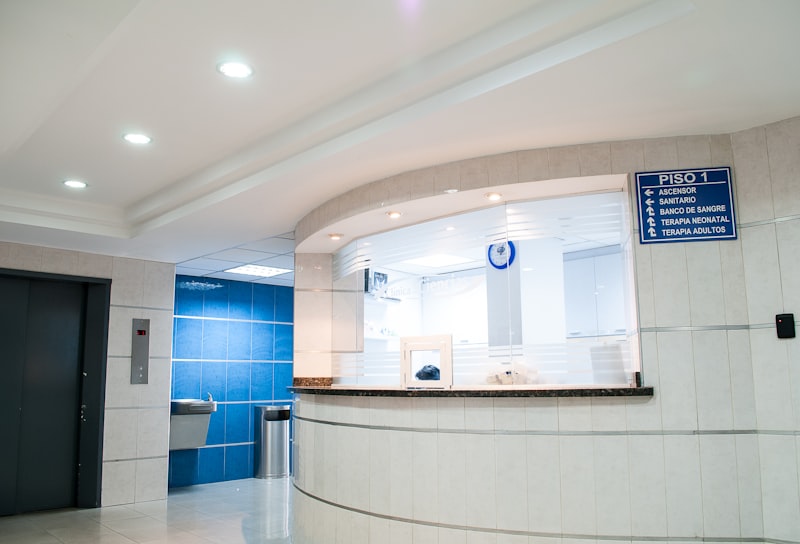
Extended waiting times don't just frustrate patients; they cost hospitals money. Studies show that a wait time exceeding 30 minutes results in a 20% drop in patient retention. Furthermore, overcrowding in waiting areas increases the risk of cross-infection.
Strategy 1: AI-Driven Triage
Gone are the days of "first come, first served." Modern administration requires Predictive Triage. By using AI algorithms, hospitals can assess the urgency of a patient's condition before they even see a doctor.
Advanced systems like Hinall HMS (developed by Treneywann) use historical data to predict peak hours, allowing administrators to schedule extra staff exactly when needed, preventing bottlenecks before they form.
Strategy 2: Digitizing the Check-in Process
Paperwork is the enemy of speed. Implementing self-service kiosks and mobile check-ins can cut registration time by 60%. Smart software solutions integrate these check-ins directly into the doctor's dashboard, ensuring a seamless flow from the lobby to the consultation room.
Strategy 3: Optimizing Discharge Protocols
The "bed-blocking" phenomenon often occurs because a discharged patient is waiting for billing or pharmacy clearance. Administrators must streamline this backend process. Using integrated platforms like Hinall allows the pharmacy to prepare medication while the doctor is still typing the discharge summary, saving crucial minutes.
"Efficiency in healthcare isn't about rushing the doctors; it's about removing the obstacles in their path."