.png)








Hospital Administration Scope in Kerala 2026: Career, Salary & Future Outlook
2026 is a pivotal year for hospital administration in Kerala. The state's healthcare system has expanded rapidly since the pandemic, and hospitals are now competing on quality, accreditation, and patient experience rather than beds alone. That shift has created a structural, long-term need for trained non-clinical administrators — the people who run billing, front office, medical records, insurance coordination, and NABH quality systems. At the same time, GCC hospitals continue to recruit Malayali administrative staff in large numbers, digital Hospital Management Software (HMS) is becoming universal, and Kerala's medical tourism sector is drawing tens of thousands of international patients every year. Together these forces make hospital administration one of the most reliable, high-growth, and GCC-connected career paths available in Kerala today.
This guide answers the questions people actually search for — is hospital administration a good career in Kerala, what is the scope, what is the salary, what job roles exist, and what the future holds — using real hospital names, current salary bands, and specific market data.
What Is the Scope of Hospital Administration?
Hospital administration has strong scope in Kerala and abroad. Every hospital needs trained staff for front office, billing, insurance (TPA), medical records, quality (NABH) and operations, and Gulf hospitals in the UAE, Saudi Arabia, Qatar, Kuwait, Oman and Bahrain hire Indian hospital administrators. Freshers in Kerala start at about ₹18,000–₹25,000 a month, more with hospital software skills.
Kerala's Healthcare Landscape in 2026 — Why It Creates Opportunity
Kerala's healthcare system is unlike any other state in India, and its structure is exactly what drives demand for hospital administrators:
- 1,200+ hospitals — Kerala has the highest hospital density per capita in India. From large chains like Aster Medcity, Amrita, KIMSHEALTH, Rajagiri, Baby Memorial, MIMS (Aster MIMS), Lourdes, Lisie, and Believers Church Medical College to hundreds of mid-sized hospitals, every institution needs a non-clinical administrative team.
- 280+ NABH-accredited hospitals — and this number is growing roughly 15% each year. NABH accreditation is document-heavy and audit-driven, which means every accredited (and accreditation-seeking) hospital must employ trained administrators for quality, records, and compliance.
- Government healthcare expansion — Kerala continues to develop large government facilities, including 1,000-bed super-speciality hospital projects and upgraded district and taluk hospitals, all of which require administrative staffing.
- 80,000+ medical tourists annually — Kerala's medical tourism (allopathic and Ayurvedic) demands strong front-office, patient-relations, and international-patient coordination — classic hospital administration functions.
- Universal need for non-clinical staff — no matter the specialty, every hospital needs billing, records, insurance, and front-office administration. This makes hospital administration recession-resistant employment.
Job Roles in Hospital Administration — What You Can Become
A hospital administration diploma opens the door to more than ten distinct entry roles, each with a clear promotion path. Here are the core roles hiring across Kerala in 2026:
| Role | Department | Typical Employer | Salary (Kerala) |
|---|---|---|---|
| Patient Relations Executive | Front Office | Private hospitals | ₹18,000–₹25,000 |
| HMS Operator | IT / Admin | All hospitals | ₹20,000–₹28,000 |
| Billing Executive | Finance | All hospitals | ₹18,000–₹24,000 |
| Medical Records Officer | Medical Records | NABH hospitals | ₹20,000–₹30,000 |
| OPD Coordinator | Operations | Multi-speciality | ₹20,000–₹28,000 |
| TPA / Insurance Coordinator | Finance | Empanelled hospitals | ₹22,000–₹35,000 |
| Healthcare HR Executive | HR | Hospital chains | ₹22,000–₹38,000 |
| NABH Documentation Officer | Quality | Accreditation-seeking | ₹25,000–₹40,000 |
| Hospital Purchase Executive | Procurement | Large hospitals | ₹22,000–₹35,000 |
| Hospital Marketing Executive | Marketing | Private chains | ₹25,000–₹45,000 |
Each of these roles is a stepping stone. A Patient Relations Executive can grow into a Front Office Manager; an HMS Operator into an IT/Operations Lead; a NABH Documentation Officer into a Quality Manager; and any of them, with 2+ years of experience, into a GCC hospital role at multiples of the Kerala salary.
Salary in Hospital Administration in Kerala — 2026 Reality
Salaries in hospital administration rise steadily with experience and skill certification. Here is a realistic career-timeline view for Kerala in 2026:
| Career Stage | Experience | Monthly Salary |
|---|---|---|
| Fresher | Year 0 | ₹18,000–₹25,000 |
| Early career | Year 1–2 | ₹25,000–₹40,000 |
| Mid career | Year 3–5 | ₹40,000–₹60,000 |
| Senior / Manager | Year 5–10 | ₹60,000–₹1,20,000 |
| GCC (2+ yrs exp) | Gulf posting | ₹80,000–₹1,50,000 (tax-free) |
The fastest salary jumps come from three things: HMS software proficiency (Hinall and similar platforms), NABH documentation expertise, and a GCC move. Administrators who combine all three routinely triple their earning power within five years.
GCC and Gulf Career Scope for Kerala Hospital Administrators
The Gulf is the single biggest salary multiplier for Kerala hospital administrators. Major GCC employers actively recruiting non-clinical administrative staff include:
- UAE: Dubai Healthcare City, Mediclinic, NMC Health, Aster DM Healthcare
- Qatar: Hamad Medical Corporation, Al-Ahli Hospital
- Saudi Arabia: SEHA (in partnership networks), Saudi German Hospital
- Oman: Sultan Qaboos University Hospital, The Royal Hospital
- Bahrain & Kuwait: major private hospital networks and polyclinic chains
The Kerala advantage: direct flights from Thiruvananthapuram, Kochi, and Calicut to every Gulf capital, plus a large, established Malayali expat community that eases relocation and networking. What GCC hospitals look for: HMS proficiency (Hinall experience is a strong plus), UGC-recognised qualifications, and confident English communication — precisely the skill set the Treneywann curriculum is built around.
Is Hospital Administration Affected by AI?
A common worry is whether AI will replace hospital administration jobs. The evidence points the other way:
- AI automates data entry, not management. Coordination, patient interaction, escalation handling, and NABH compliance decisions still require trained administrators.
- HMS software now has AI modules. Platforms like Hinall are adding AI-assisted features, so operators who understand AI are more employable, not less.
- Treneywann includes a dedicated "AI in Healthcare Administration" module, so graduates enter the market already fluent in the tools hospitals are adopting.
- AI creates more admin work, not less — NABH AI compliance, digital health records, and data-governance tasks are all new administrative responsibilities.
Hospital Administration Scope in Government Hospitals in Kerala
The government sector is an often-overlooked pathway with excellent long-term security:
- Kerala PSC periodically advertises Hospital Administrator and Medical Records Officer posts across government facilities.
- Government Medical Colleges in every district need trained administrators for records, front office, and operations.
- DMLT + HA diploma combinations make candidates strongly competitive for government hospital roles.
- Primary Health Centres and taluk hospitals being upgraded across the state need front-office and records management staff.
For existing government hospital employees, a recognised HA diploma — such as the UGC-approved skill certification Treneywann offers under NEP 2020 — is a proven way to qualify for higher administrative and PSC-level posts.
Hospital Administration vs Other Non-Clinical Career Options in Kerala 2026
How does hospital administration compare with other popular non-clinical courses in Kerala? Here is an honest side-by-side:
| Hospital Admin | Medical Coding | Pharma Sales | Lab Technician | |
|---|---|---|---|---|
| Duration | 6mo–1yr | 3–6 months | Varies | 2–3 years |
| Fees | ₹42k–₹64k | ₹20k–₹40k | Low | ₹50k+ |
| GCC Scope | High | Medium | Medium | High |
| Work Setting | Hospital (desk) | WFH / office | Field | Lab / hospital |
| Growth | Strong | Moderate | Moderate | Strong |
| AI Risk | Low (adaptive) | Medium | Low | Low |
Hospital administration stands out for its combination of short duration, low-to-moderate fees, high GCC scope, comfortable hospital-desk work setting, strong growth, and low AI risk — a balance few other non-clinical paths match.
Why 2026 is the Right Time to Enter Hospital Administration in Kerala
- NABH is becoming mandatory for larger hospitals (including many 150+ bed facilities) — a rule that directly creates administrator demand.
- Kerala's medical tourism is on track to double by 2030, expanding front-office and coordination roles.
- Gulf hospital chains are expanding into South India, recruiting locally trained administrators for both regional and GCC postings.
- HMS software is becoming universal, yet trained operators remain scarce — an immediate hiring gap.
- UGC recognition under NEP 2020 gives modern HA diplomas institutional weight and credibility with employers.
The 5 Certifications That Build Your Career
The Treneywann hospital administration program awards five certifications, each mapped to a real career advantage:
- TTMSTRCT Council Trust Advanced Certification Diploma — the core professional diploma that establishes your qualification as a trained hospital administrator.
- UGC-approved university skill course (NEP 2020) — UGC-recognised skill certification that adds institutional weight and is valued by both employers and GCC recruiters.
- AI in Healthcare Administration — future-proofs your profile as hospitals adopt AI-enabled HMS and digital records.
- Hinall HMS Proficiency Certification — hands-on Hospital Management Software skill that hospitals and GCC employers specifically look for.
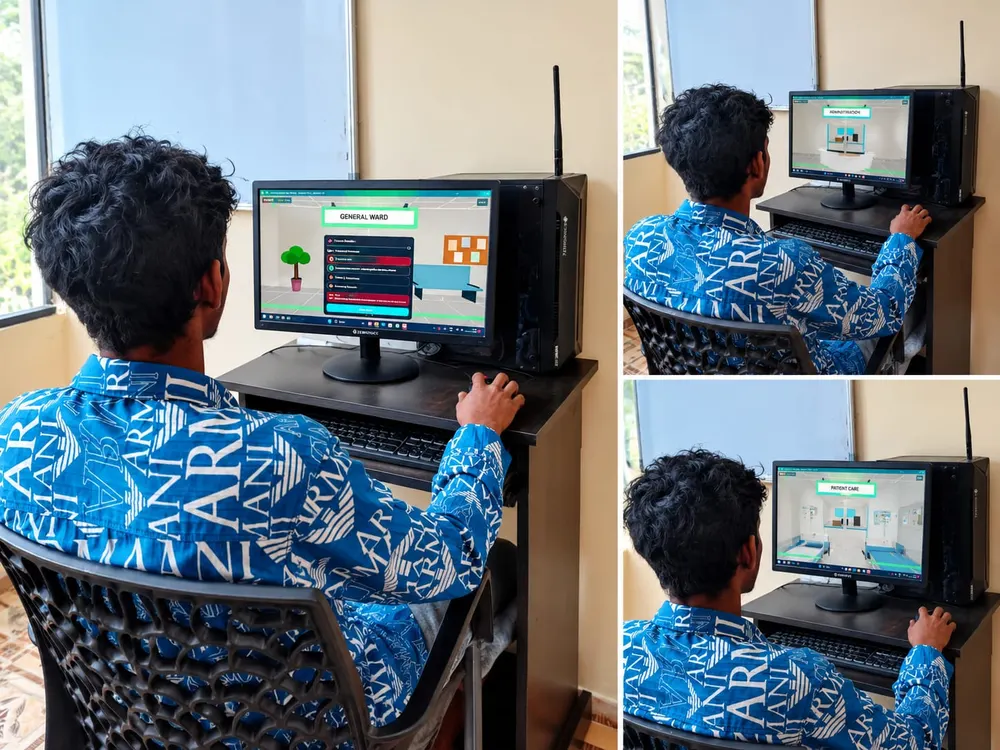
- HLP — Healthcare Leadership Program (Virtual Hospital Simulation) — practical leadership and operations training through a simulated hospital environment, preparing you for supervisory roles.
Why Treneywann — the 7 Strengths
- 5 industry-mapped certifications in one program — including UGC-approved and AI-in-healthcare credentials.
- 100% placement assurance connecting graduates to Kerala hospitals and GCC recruiters.
- Hands-on HMS training on Hinall — the exact software hospitals use daily.
- Flexible durations: 6-month course at ₹42,000 or 1-year diploma at ₹64,000.
- GCC-ready curriculum built around what Gulf hospitals actually hire for.
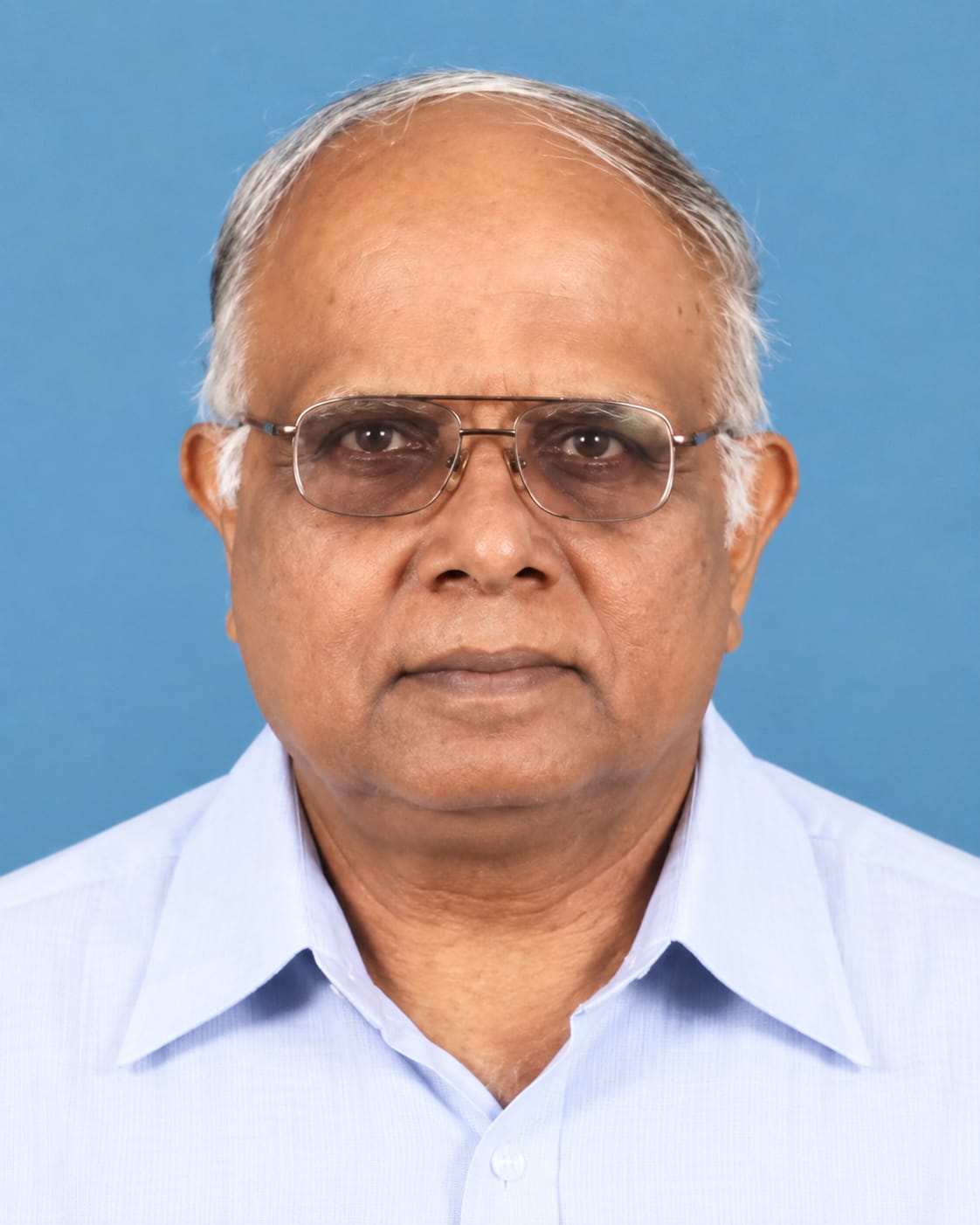
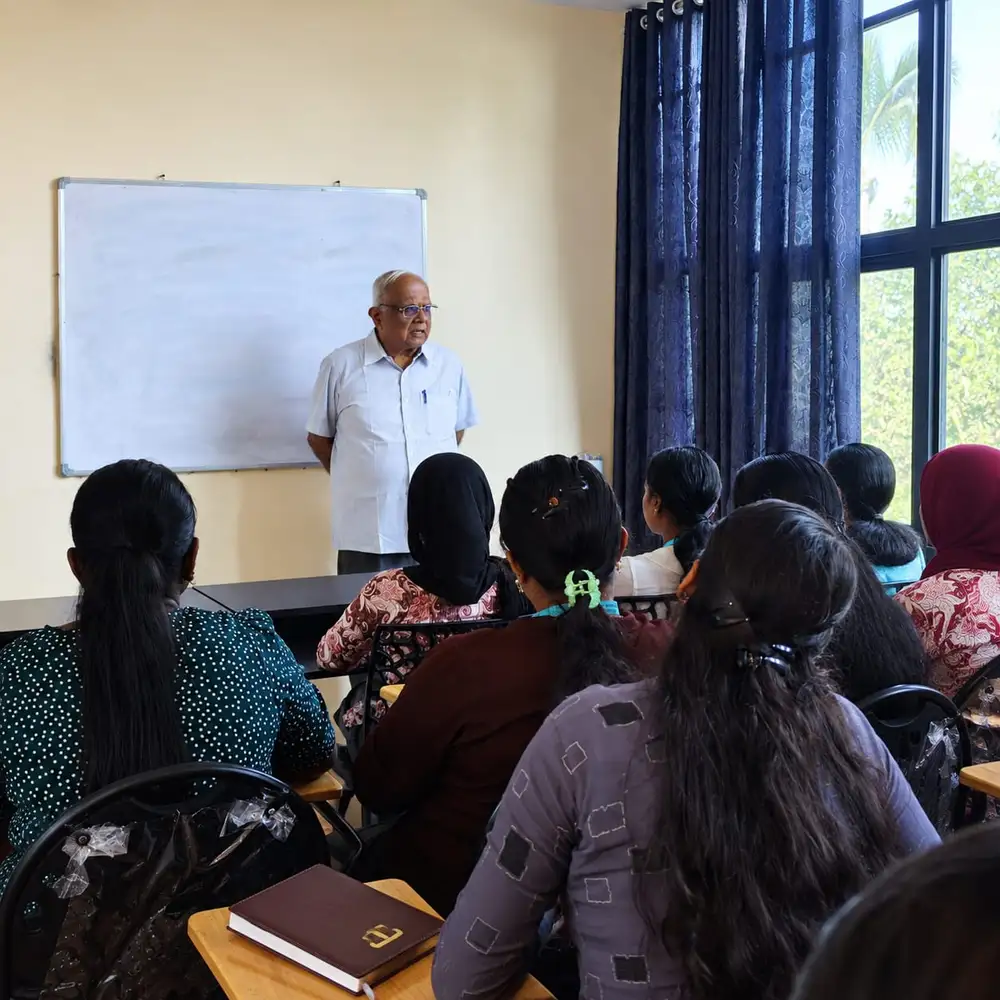
- Faculty led by B.V. Kumar, with 35+ years of healthcare administration experience across India and the GCC.
- Kochi-based, Kerala-focused — training aligned with local hospital hiring and NABH requirements.
Frequently Asked Questions
1. Is hospital administration a good career in Kerala in 2026?
Yes. Hospital administration is one of the strongest non-clinical careers in Kerala in 2026. Kerala has 1,200+ hospitals — the highest hospital density per capita in India — and NABH accreditation is growing roughly 15% annually, forcing every hospital to hire trained administrators for quality documentation, billing, and front-office operations. Combined with steady GCC demand for Malayali healthcare staff, freshers start at ₹18,000–₹25,000 in Kerala and experienced administrators earn ₹80,000–₹1,50,000 tax-free in the Gulf. Treneywann trains students in exactly these skills with 100% placement assurance.
2. What is the scope of hospital administration in Kerala?
The scope is very wide. Kerala's 1,200+ hospitals — private multi-speciality chains, government medical colleges, and Ayurvedic hospitals — together with GCC recruitment create an estimated 50,000+ non-clinical administrative posts. These include patient relations, HMS operation, billing, medical records, TPA/insurance coordination, NABH documentation, hospital HR, and procurement. Because every accredited hospital needs these roles regardless of medical specialty, hospital administration offers stable, recession-resistant demand across the entire state.
3. What is the salary of a hospital administrator in Kerala?
In Kerala in 2026, a fresher hospital administrator earns ₹18,000–₹25,000 per month. Mid-level administrators with 2–5 years of experience earn ₹35,000–₹60,000. Senior administrators and hospital managers earn ₹70,000–₹1,20,000. In the GCC (UAE, Qatar, Saudi Arabia, Oman), Kerala-trained administrators with 2+ years of experience earn ₹80,000–₹1,50,000 per month, tax-free. Salary rises fastest for those with HMS software proficiency and NABH documentation skills.
4. What are the job roles after hospital administration in Kerala?
There are 10+ core roles: Patient Relations Executive, HMS Operator, Billing Executive, Medical Records Officer, OPD Coordinator, TPA/Insurance Coordinator, Healthcare HR Executive, Hospital Purchase (Procurement) Executive, NABH Documentation Officer, and Hospital Marketing Executive. With experience, these lead to Front Office Manager, Operations Manager, Quality Manager, and Hospital Administrator positions in both Kerala and GCC hospitals.
5. Is hospital administration in demand in Kerala?
Yes — demand is very high and rising. NABH accreditation, now effectively mandatory for larger and insurance-empanelled hospitals, requires trained administrators for quality documentation, patient safety records, and audit readiness in all 1,200+ hospitals. As more hospitals seek accreditation and adopt Hospital Management Software, the shortage of trained non-clinical administrators keeps demand consistently ahead of supply.
6. Can hospital administrators from Kerala get GCC jobs?
Yes. Hospitals in the UAE, Qatar, Saudi Arabia, Oman, Bahrain, and Kuwait actively recruit Kerala hospital administrators because of strong English communication, HMS proficiency, and cultural familiarity with the large Malayali expat community. Roles in patient relations, billing, insurance coordination, and records management pay ₹80,000–₹1,50,000 per month tax-free. Direct flights from Thiruvananthapuram, Kochi, and Calicut make the Gulf pathway especially accessible for Kerala candidates.
7. Does hospital administration have growth in Kerala compared to other states?
Kerala leads India in hospital density per capita and has one of the highest NABH accreditation rates in the country. This means more accredited hospitals per person, more medical tourism, and more structured non-clinical hiring than most other states. Combined with the state's established GCC migration corridor, Kerala offers hospital administration graduates stronger and more reliable growth than most other regions in India.
8. Is hospital administration affected by AI and automation?
AI makes hospital administrators more valuable, not less. Automation handles repetitive data entry, but management decisions, patient interaction, NABH compliance, and coordination still require trained humans. Modern HMS platforms such as Hinall now include AI modules, so administrators who understand AI have a clear advantage. The Treneywann course includes a dedicated "AI in Healthcare Administration" certification to keep graduates future-proof.
9. Can government hospital employees do a hospital administration course in Kerala?
Yes. Many government hospital employees upgrade their careers with a hospital administration diploma to qualify for higher administrative and PSC-level posts. Kerala PSC periodically advertises Hospital Administrator and Medical Records Officer roles, and a recognised HA diploma strengthens candidacy for these positions. The Treneywann diploma, backed by UGC-approved skill certification under NEP 2020, is well suited for such career upgrades.
10. What is the future of hospital administration in Kerala?
The future is strongly positive. Kerala's medical tourism is projected to grow sharply toward 2030, NABH accreditation is expanding to smaller hospitals, GCC hospital chains are extending recruitment into South India, and HMS adoption is becoming universal. Each of these trends increases demand for trained non-clinical administrators, making 2026 an ideal year to enter the field with a recognised diploma.
Launch Your Hospital Administration Career in Kerala
9 November 2026 Batch open. 6 months ₹42,000 | 1 year ₹64,000. 100% placement assurance. Limited seats.
WhatsApp: 9037986219 View Course Details