.png)



Corporate Training · Kerala
Hospital Staff Training Programme
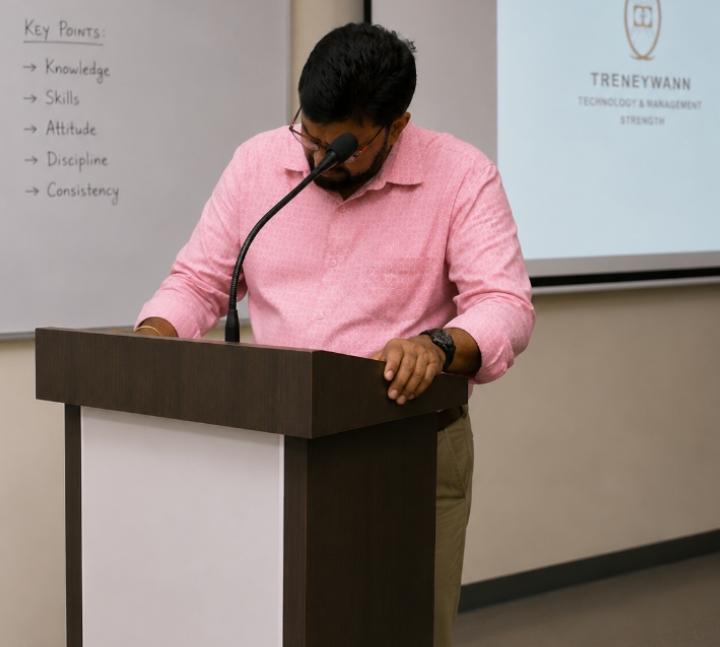
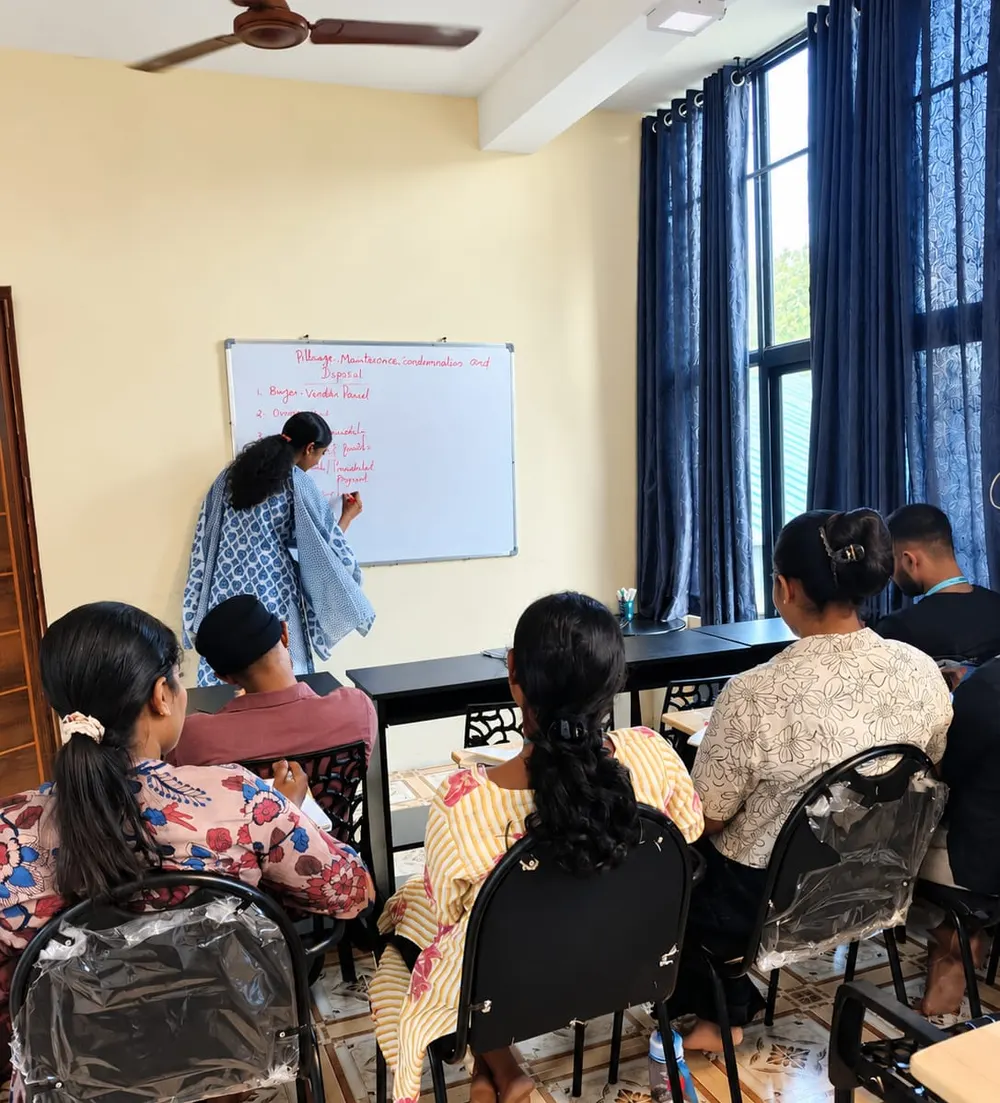
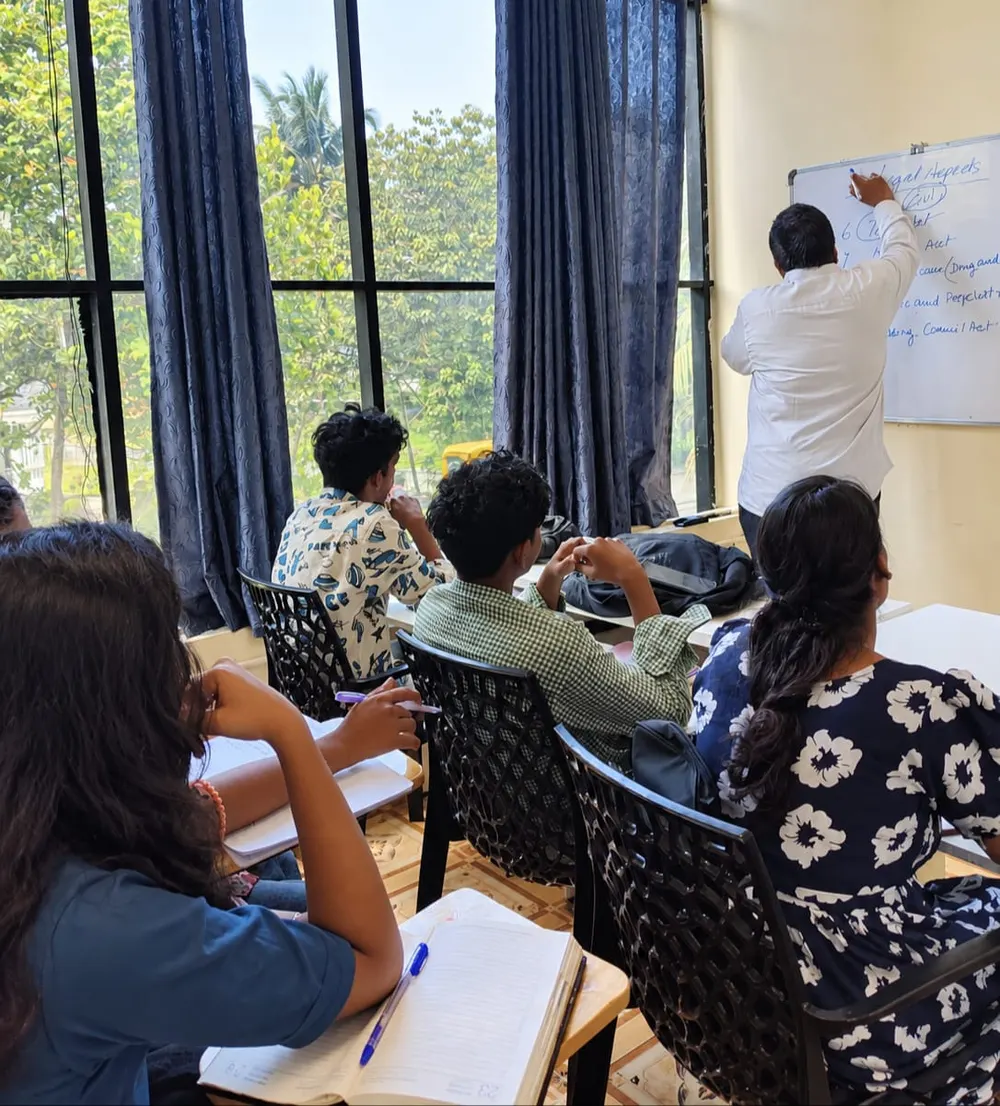
HMS software, NABH documentation, front-office and billing — conducted at your hospital or our Vyttila campus by retired hospital administrators with 30+ years of Kerala hospital experience.
Why it matters
Untrained front-office staff cost hospitals more than their salary
Wrong HMS entries delay discharge summaries. Poorly handled insurance claims result in denials. A front-office executive who doesn't know TPA processes turns away patients. The cost of one avoidable error — a NABH non-conformance, a billing mistake, a rejected claim — exceeds the entire cost of a training day.
HMS Entry Errors
Incorrect OPD/IPD entries in Hinall cause billing mismatches and audit failures
NABH Non-conformances
Documentation gaps are the #1 reason hospitals fail NABH accreditation cycles
TPA Claim Rejections
Untrained billing staff miss submission windows and send incomplete claim packages
Patient Dissatisfaction
Front-office staff without training default to "I don't know" — the fastest way to lose a patient
What we train
Four Training Modules
Hinall HMS Software Training
Duration: 2–5 days · For: Front-office, billing, OPD/IPD registration staff
- Patient registration and OPD workflow in Hinall
- IPD admission, ward transfer, discharge process
- Billing module — package rates, itemised billing, insurance
- Reports generation and shift-close procedures
- On your hospital's own Hinall installation
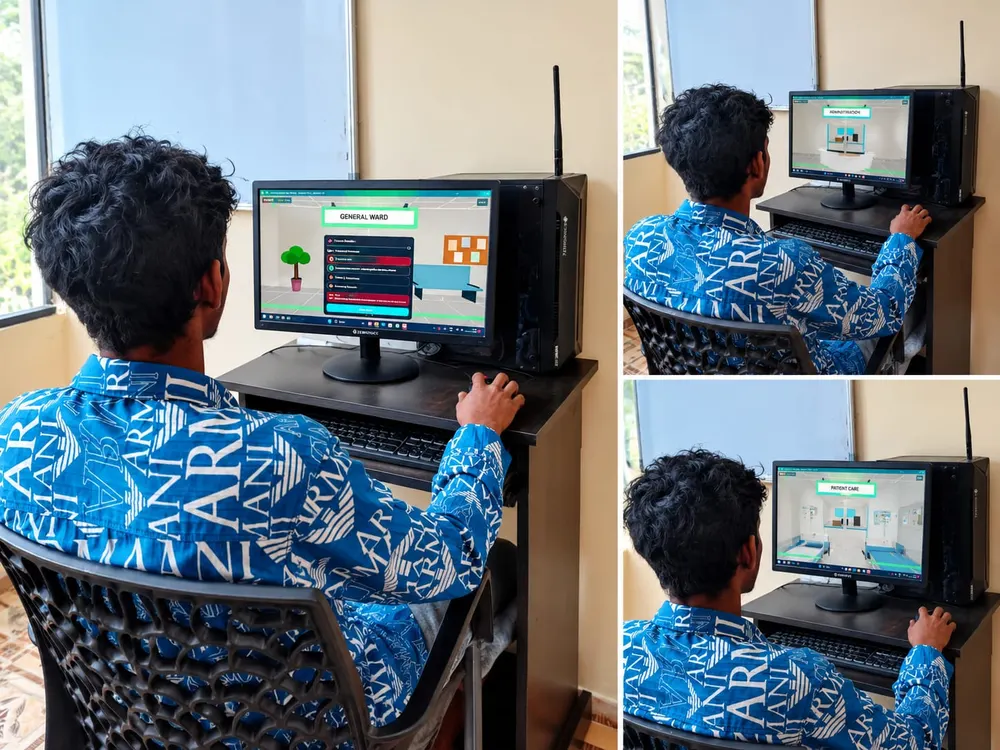
India's only institute with a live Hinall HMS training lab — 48 modules, 16 departments.
NABH Documentation & Compliance Workshop
Duration: 1–2 days · For: Quality managers, nursing supervisors, department heads
- NABH 5th edition chapter-by-chapter walkthrough
- Mandatory register formats and documentation checklists
- Internal audit simulation — spot check and response
- Corrective Action & Preventive Action (CAPA) writing
- Mock NABH assessor Q&A session
Conducted by faculty with direct experience of NABH pre-assessment preparation.
Front-Office & Patient Relations Training
Duration: 1 day · For: Reception, enquiry, and patient care coordinators
- Patient greeting protocol and appointment management
- Handling complaints and escalation without escalating the patient
- Medical terminology for non-clinical staff
- Cashless pre-authorisation — what the front desk must do
- Communication scripts for common difficult situations
TPA & Insurance Billing
Duration: 1–2 days · For: Billing executives, insurance coordinators
- TPA empanelment process and cashless claim submission
- Pre-authorisation letter writing and follow-up
- Claim rejection analysis — common reasons and fixes
- PMJAY / Ayushman Bharat and state scheme billing
- Stale claim management and re-submission strategy
Our background
Why hospitals trust Treneywann to train their staff
- ✚ Kerala's only dedicated hospital administration training institute
- ✚ India's only live Hinall HMS lab — 48 modules, 16 departments
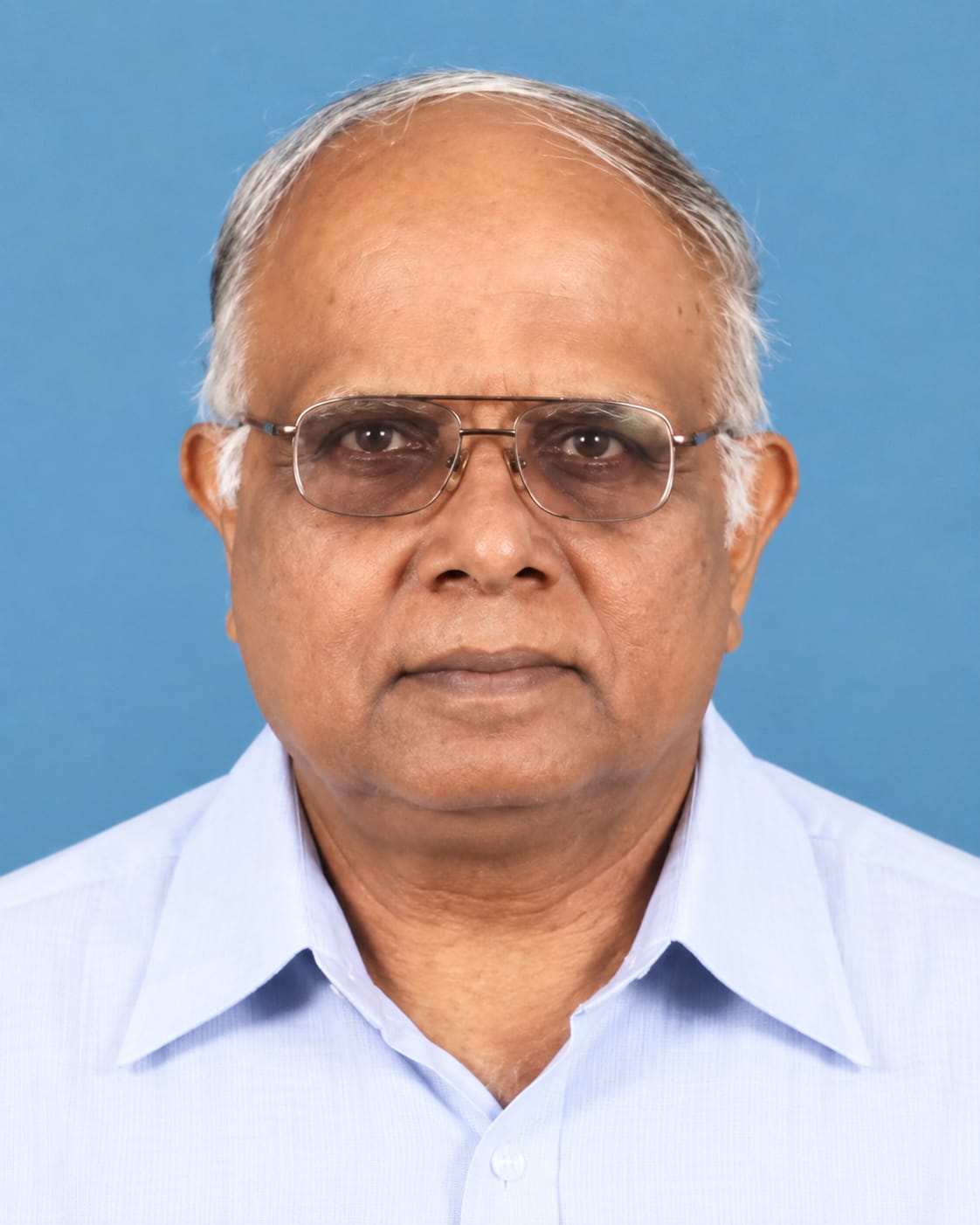
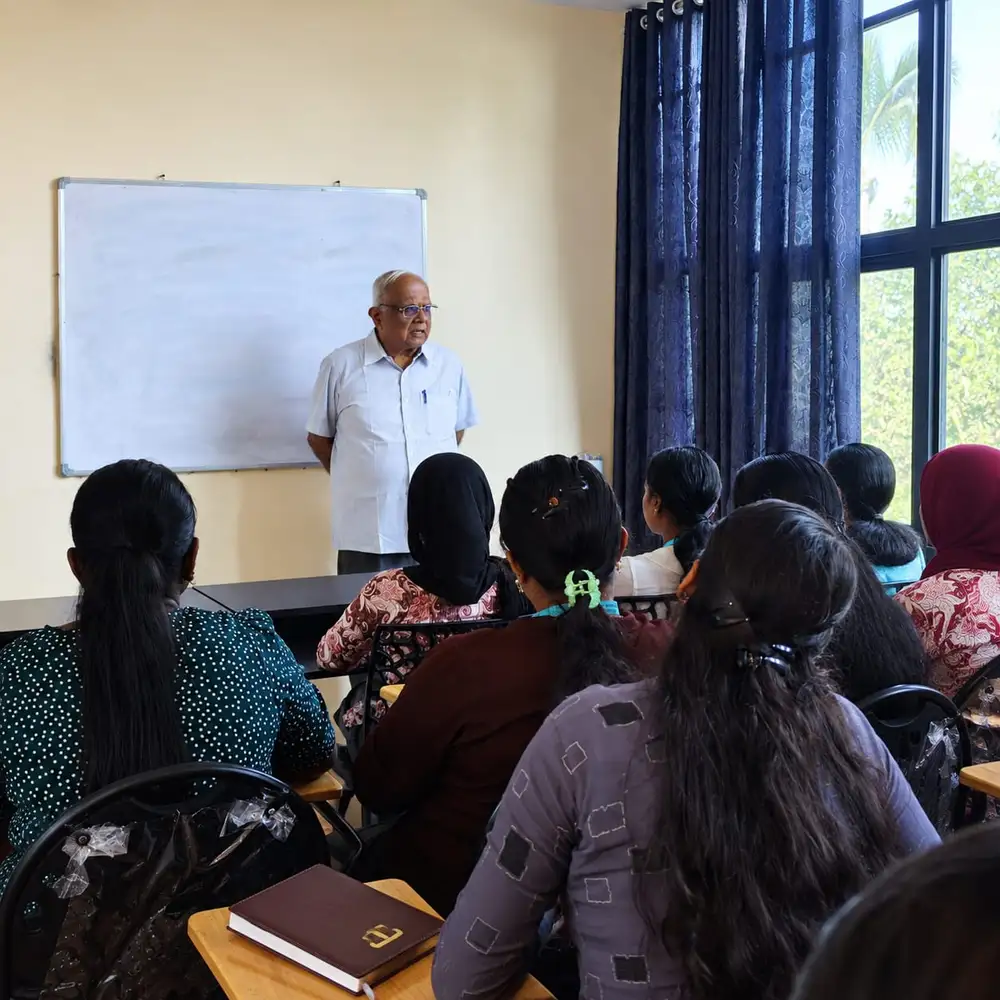
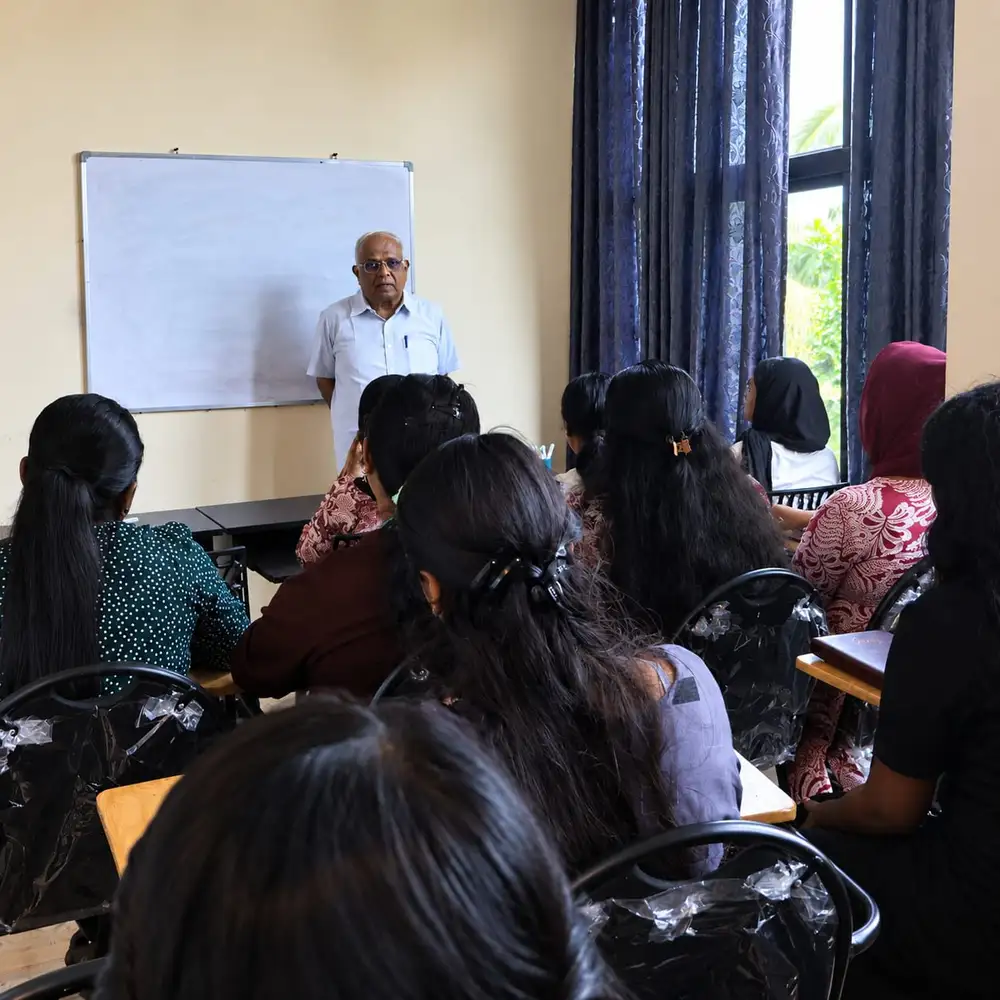
- ✚ Faculty: retired hospital administrators, 30+ years Kerala hospital experience
- ✚ B.V. Kumar — MHA, MBA, MA, PGDPR, PGDJ — GCC hospital specialist
- ✚ 512 graduates working across Aster, Rajagiri, VPS Lakeshore, KIMS and GCC hospitals
What hospitals get
What's included in every programme
Pre-training needs assessment
We audit the current knowledge gaps before designing the session
Customised training material
Printed workbooks specific to your hospital's processes and HMS version
Completion certificate
Treneywann certificate for each participant — useful for HR records
Post-training support
30-day query support via WhatsApp for trained staff
Discuss your hospital's training needs
No standardised packages — we design the programme around your staff, your HMS version, and your accreditation timeline. Call or WhatsApp to discuss.
FAQ
Common questions from hospital HR teams
Can you conduct training at our hospital outside Kochi?
Yes. We conduct on-site training across Kerala — Trivandrum, Thrissur, Calicut, Kottayam, Kollam. Travel and accommodation are arranged separately. Outstation sessions are typically scheduled as 2–3 day intensive blocks.
Our hospital uses Hinall HMS. Can you train our staff on our own installation?
Yes — this is our preferred approach for HMS training. We use your hospital's own Hinall system so staff learn on the exact interface they use daily. This eliminates the gap between training-environment and real-environment that is common with demo-system training.
How many staff members can attend one training session?
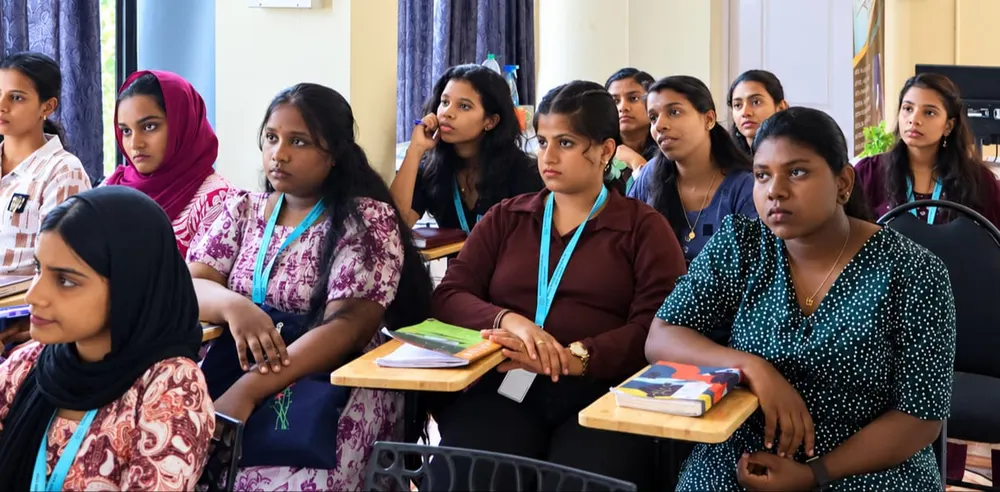
Groups of 8–20 work best for quality retention. For larger teams, we recommend staggered batches by department — front-office one day, billing the next — so operations are not disrupted.
Do you offer refresher training for staff who were trained earlier?
Yes. Refresher modules of 4–6 hours can be designed for staff who completed training 6–12 months ago, focusing on process gaps identified in your latest internal audit or NABH self-assessment.
What is the cost of hospital staff training?
Pricing depends on module, duration, batch size, and whether training is on-site or at our Vyttila campus. We do not publish a price list because every engagement is designed to the hospital's specific needs. Call +91 90379 86219 or WhatsApp +91 90379 86220 to discuss your requirement and get a customised proposal.
How a Corporate Training Engagement Runs
A staff-training engagement is not a student course compressed into a workshop; it is scoped around your hospital's own error patterns. Here is the working sequence we follow with hospital managements across Kerala, from first call to post-training follow-up.
Step 1 — Needs assessment before any quotation
Before dates or fees are discussed, a senior trainer speaks with your HR head or medical director about where the friction actually is: claim rejection patterns, discharge turnaround, audit findings, patient complaints at the front desk. Where useful, we review sample documentation (anonymised) or observe a shift. Training scoped to symptoms you have already measured lands very differently from an off-the-shelf syllabus — and sometimes the assessment concludes that a process fix, not a training day, is what you need. We will say so.
Step 2 — Curriculum assembled per department, not per designation
A billing executive and a ward secretary may hold the same grade but need entirely different sessions. We assemble the day from module blocks — HMS transaction practice, NABH documentation drills, denial-proof claim preparation, front-desk communication scripts — and sequence them so that clinical operations are not disrupted: split batches across shifts, evening sessions for OPD-heavy teams, or Sunday blocks where the management prefers.
Step 3 — Delivery on your systems, in your context
On-site HMS sessions run on your own installation with your own item masters and tariff structures, so nothing learned has to be translated back to reality on Monday morning. NABH workshops work from your current document set, converting your live non-conformance list into corrected templates by the end of the session. Trainers are retired hospital administrators — the programme sits under HOD B.V. Kumar (MHA, MBA, MA, PGDPR, PGDJ), whose 35+ years span Indian and GCC hospitals — so questions from your senior staff get answers grounded in having actually run departments, not slide decks.
Step 4 — Measurement and follow-up
Every engagement ends with a per-participant assessment and a short management report: who is now independent on the trained workflows, who needs supervised practice, and which process gaps training alone cannot close. A follow-up call at the 30-day mark checks whether the error pattern that triggered the engagement has actually moved. Certificates are issued per module on completion.
Who typically engages us
Three situations account for most enquiries. First, hospitals commissioning or migrating an HMS, where an untrained go-live week can corrupt months of data. Second, hospitals entering or renewing a NABH cycle, where documentation discipline across departments decides the outcome. Third, growing hospitals that promote strong clinical staff into supervisory roles and then discover those staff were never taught billing, rostering or grievance handling. If your hospital is in one of these windows, earlier engagement is cheaper — retraining after a failed go-live or a failed audit costs more than training before it.
Engagements are delivered anywhere in Kerala at your campus, or at the Treneywann Institute of Hospital Administration campus at Vyttila, Kochi, where teams can also work hands-on in the live Hinall HMS lab — useful when a hospital wants staff trained on a full-featured system before its own installation is selected. Treneywann is a hospital administration training institute first; corporate delivery draws on the same faculty and lab that run its flagship 1-year programme.