.png)














What exactly does a Hospital Administrator do? This comprehensive guide breaks down the daily responsibilities, required skills, and career progression of healthcare administrators in 2026.
Who is a Hospital Administrator?
A Hospital Administrator (also called Healthcare Administrator or Hospital Manager) is the backbone of any medical facility. They ensure that hospitals run efficiently, staff are managed properly, patients receive quality care, and the facility remains financially viable.
Key Responsibilities
- Operations Management: Overseeing daily hospital operations, patient flow, bed management, and departmental coordination.
- Staff Management: Hiring, training, scheduling, and performance evaluation of non-clinical staff.
- Financial Oversight: Budget planning, revenue cycle management, cost control, and financial reporting.
- Quality Assurance: Ensuring NABH/JCI compliance, patient safety protocols, and clinical quality standards.
- Patient Experience: Handling complaints, improving satisfaction scores, and enhancing service delivery.
- Regulatory Compliance: Maintaining licenses, certifications, and legal documentation.
- Vendor Management: Procurement of medical supplies, equipment, and outsourced services.
A Day in the Life of a Hospital Administrator
- 8:00 AM: Review overnight reports – admissions, discharges, critical incidents
- 9:00 AM: Department heads meeting – discuss bed occupancy, staffing issues
- 10:30 AM: Walk-through of wards – check cleanliness, patient feedback
- 12:00 PM: Review insurance claims, pending TPA approvals
- 2:00 PM: Meet with vendors – negotiate supply contracts
- 4:00 PM: Staff performance reviews, training coordination
- 5:30 PM: Prepare daily MIS reports for management
Skills Required
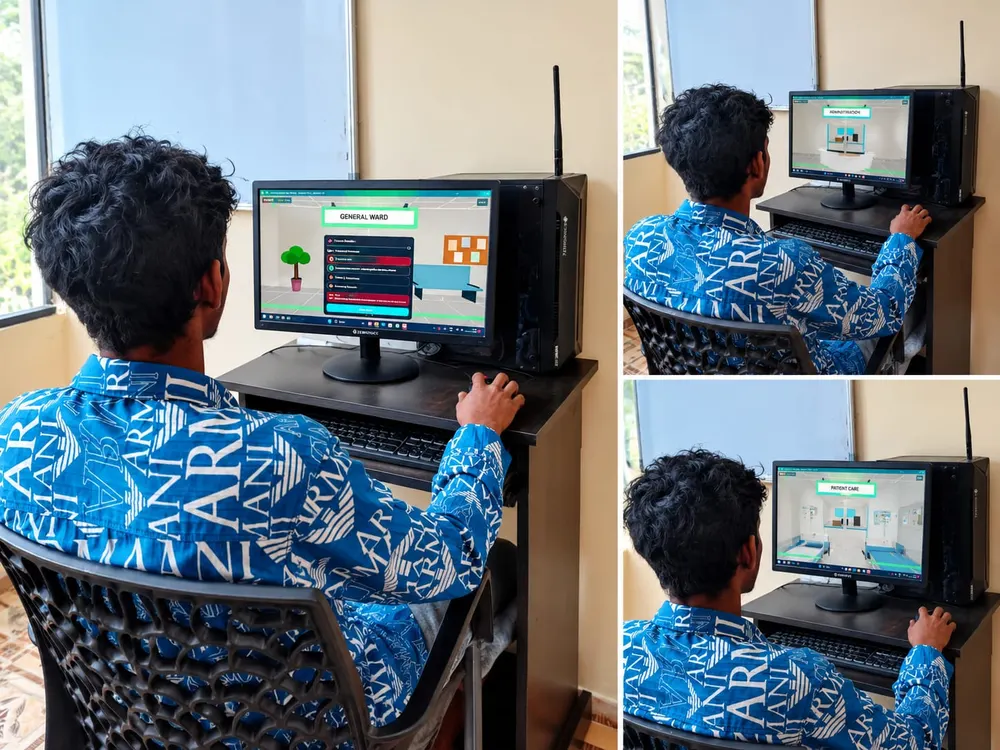
At Treneywann Institute of Hospital Administration, we train you in:
- Hospital Information Systems (HIS) software
- Medical terminology and clinical workflows
- Healthcare laws and patient rights
- Financial management and budgeting
- Leadership and communication skills
"The best administrators are invisible – when everything runs smoothly, nobody notices. But without them, hospitals would collapse." – Prabhikrishnan