.png)



Hospital Billing Executive Interview. Here Is What Kerala Hospital Billing Heads Look For.
The billing desk is where the hospital's revenue is actually collected — and interviews for it are precise: HMS billing module navigation, TPA cashless billing, GIPSA and CGHS rates, package vs itemised billing, cash reconciliation. This guide lists the real questions Kerala hospital billing heads ask, with model answers you can defend at a live billing terminal.
Hospital billing executive interviews in Kerala test HMS billing module navigation, TPA cashless billing process, CGHS/ESIC rate application, handling of billing discrepancies, and package billing versus itemised billing. Common questions: 'Generate a final bill for a discharged patient in HMS', 'How do you process a cashless TPA bill?', 'What is the difference between package billing and itemised billing?' Treneywann's HMS billing module at Vyttila Kochi covers all major billing workflows on live hospital-configuration software.
What a Hospital Billing Executive Actually Does
The billing executive sits at the point where every rupee of hospital revenue is recorded, collected or reconciled. Interviews test the whole span:
- OP and IP bill generation — outpatient consultation bills to full inpatient final bills
- Cashless insurance bills — coordinating with the TPA desk on pre-authorised amounts
- Advance deposits — collecting and tracking IP advances against running bills
- Package vs itemised billing — knowing which applies to each patient and policy
- Billing dispute resolution — with documentation, not argument
- TPA coordination — pre-authorisation amounts, final bill submission
- Daily billing MIS reports — the numbers management runs the hospital on
- Cash counters and digital payments — cash, UPI and card reconciliation every single day
HMS Billing Questions — With Model Answers
The software questions that open every billing interview
Model answer: In the HMS: open the IP module → search the patient by admission number → verify all charges are entered (ward charges, doctor charges, investigations, procedures, pharmacy, consumables) → apply any approved discounts → generate the final bill → process payment → issue receipt → update discharge status. Naming the charge heads without prompting is what separates trained candidates.
Model answer: Package billing is an all-inclusive fixed price for a procedure or surgery — for example, a normal delivery package at ₹18,000 all-in. Itemised billing charges each service separately. Some insurance policies cover only packages, some prefer itemised — the billing executive must know which applies for each patient before the bill is raised.
Model answer: Do not argue. Pull up the billing detail in the HMS and cross-reference it with nursing notes and the doctor's orders. If the error is confirmed, raise a billing correction request with the supervisor. If the charge is valid, explain it calmly with the documentation in front of the patient. Documentation first, discussion second — that is the frame interviewers score.
TPA and Insurance Billing Questions
Where the billing desk meets the insurance industry
Model answer: Cashless — the TPA pays the hospital directly; the billing executive sends the final bill to the TPA after discharge; the TPA settles within 15–30 days. Reimbursement — the patient pays in full at discharge, submits the claim to their insurer, and the insurer reimburses the patient; here the billing executive's role is to provide a clean itemised bill and discharge summary that will survive the insurer's scrutiny.
Model answer: GIPSA — General Insurance Public Sector Association — sets standard rates for the four government general insurers: New India, United India, Oriental and National. GIPSA-empanelled hospitals must bill government-insurance patients at GIPSA rates, not market rates. Knowing the GIPSA rate list, and when it applies, is a core billing-desk skill — and a favourite interview differentiator.
CGHS and ESIC Questions
Government-scheme billing — fixed rates, fixed documents, no shortcuts
Model answer: The Central Government Health Scheme rate list specifies the maximum rates hospitals can charge CGHS beneficiaries. The billing executive verifies the CGHS card, applies CGHS rates (not market rates), generates the bill at CGHS rates, and submits it to the CGHS office for settlement. Applying market rates to a CGHS patient is a compliance failure — saying so shows you understand why the rate list matters.
Model answer: The ESIC card (employer-issued), accident report for industrial accidents, treatment records, the final bill at ESIC rates, Form 105 for temporary disablement, and Form 106 for permanent disablement. Citing the form numbers is the detail that signals genuine preparation.
Cash Handling and Compliance Questions
Where interviewers test integrity and process discipline
Model answer: Tally cash received against HMS receipts, match digital payment records (UPI, card) with the bank POS logs, identify and document any discrepancy immediately, report it to the accounts supervisor, and have the balance sheet signed off with the supervisor. The key word interviewers listen for: immediately — discrepancies are never carried to the next day.
Model answer: Review the bill in the HMS, retrieve the supporting treatment documents, and verify with the treating doctor if needed. If the error is confirmed: initiate the refund process through accounts with supervisor approval. If the charge is valid: explain politely with the documentation. Same frame as the in-person dispute — evidence first, and a defined process for both outcomes.
Smart Questions to Ask the Interviewer
Close the interview with questions that show you already think like a billing-desk professional:
- "What billing software does the hospital use?" — shows software adaptability
- "What is the daily OPD billing volume?" — shows you think about workload and counter design
- "Does the hospital have TPA empanelment with major insurers?" — shows you understand the revenue mix you would be handling
How Treneywann's Billing Module Prepares You
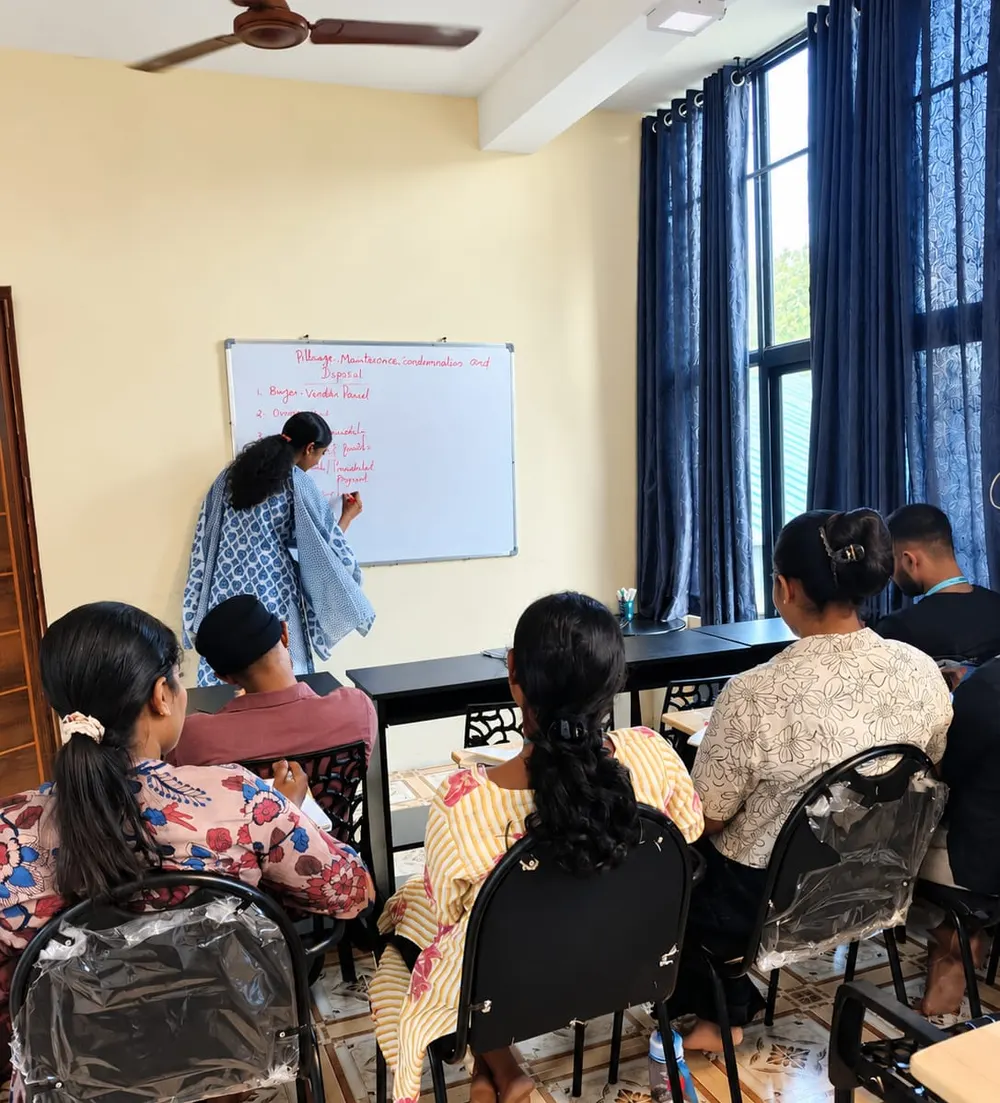
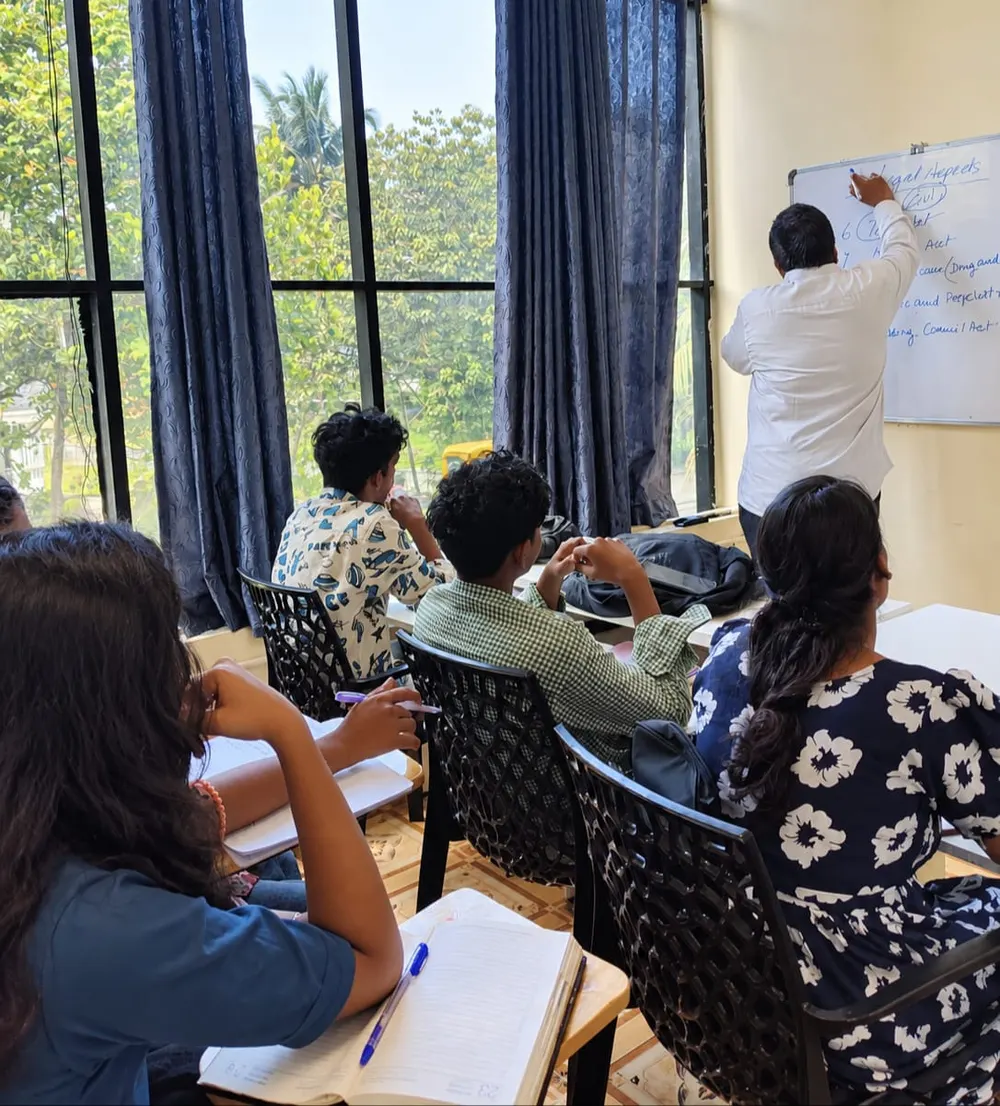
At Treneywann Institute of Hospital Administration, 2nd Floor Creative Tower, Near Kaniyampuzha Road, Eroor South, Vyttila Junction, Kochi, Kerala 682306, billing is taught on live software, not slides:
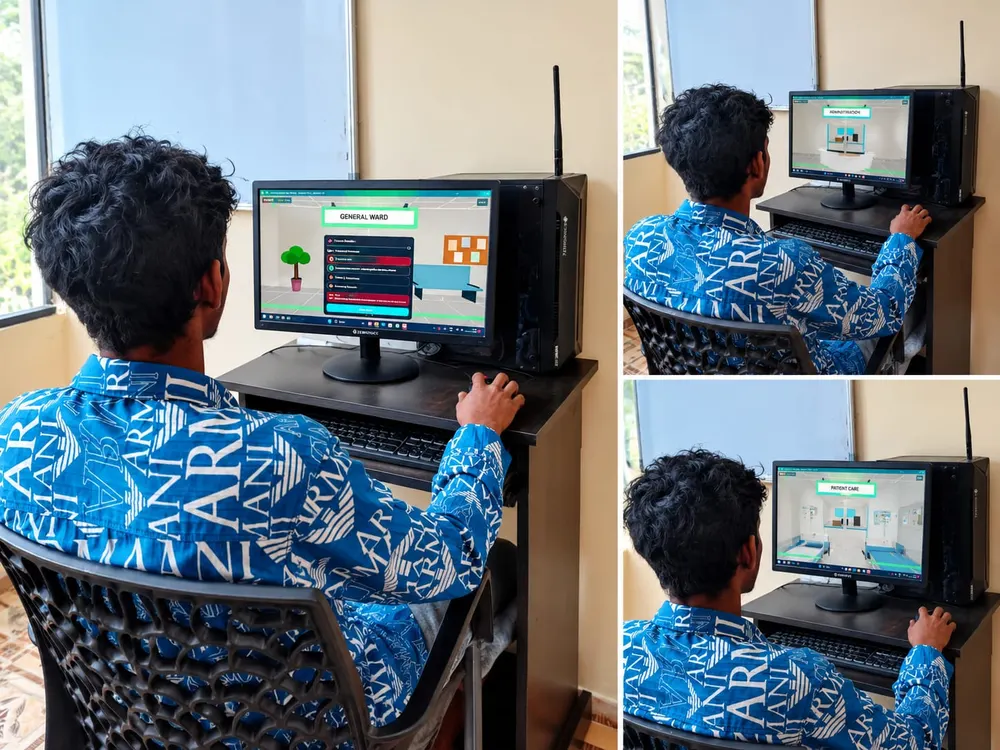
- Live HMS billing module — all major workflows practised on India's only live Hinall HMS lab
- TPA billing — covered end to end in the insurance module
- CGHS / ESIC — dedicated section in the government billing module
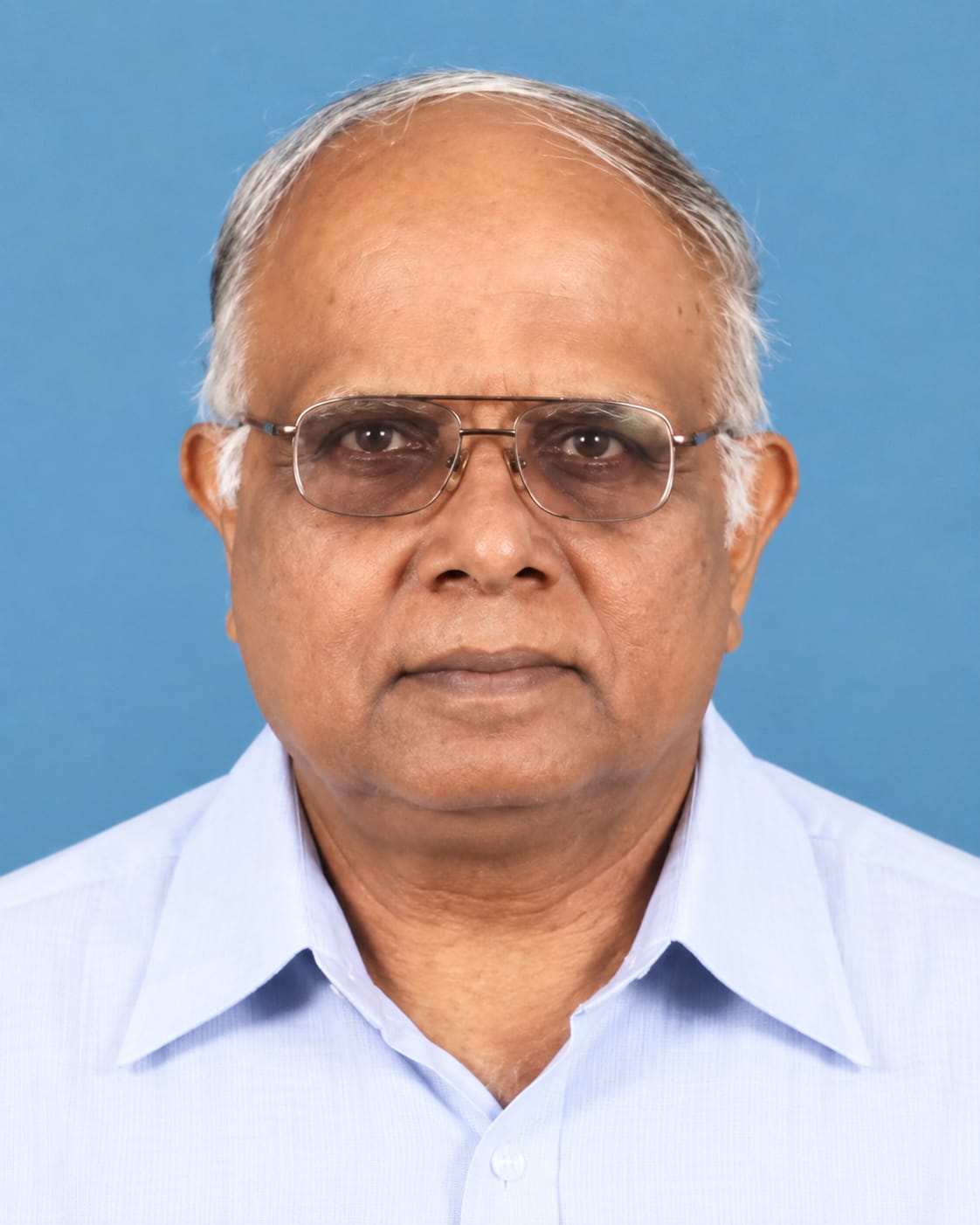
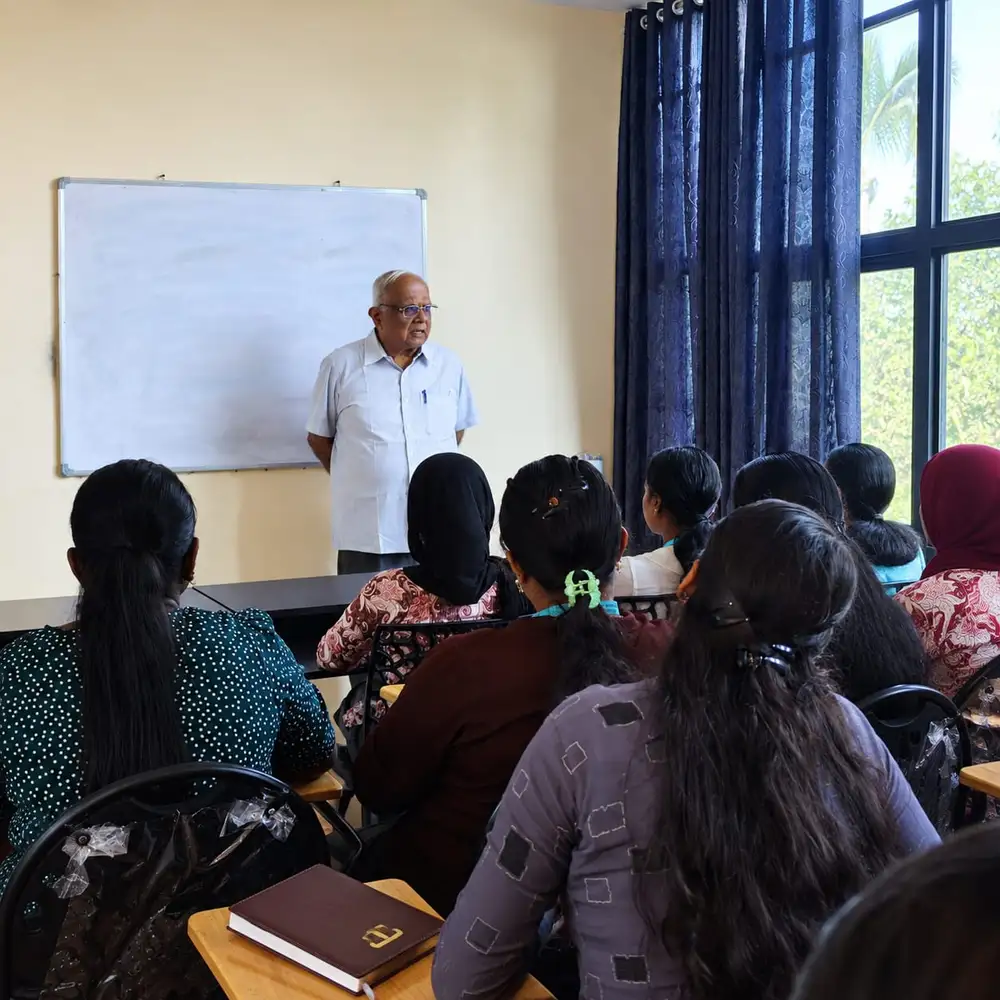
- Mock interviews — with senior faculty B.V. Kumar (35+ years as a hospital administrator)
- Placement assurance — 512 graduates placed as of 31 July 2026
FAQs — Hospital Billing Executive Interview Preparation Kerala
What billing-desk candidates search for most
What is asked in hospital billing executive interview in Kerala?
HMS billing module navigation ("Generate a final bill for a discharged patient"), package vs itemised billing, cashless TPA vs reimbursement billing, GIPSA rates, CGHS rate application, ESIC claim documents, end-of-day cash reconciliation, and billing dispute scenarios — including the patient who disputes a charge after paying and leaving.
How do I prepare for medical billing interview?
Master the final bill workflow — IP module, admission-number search, verify every charge head (ward, doctor, investigations, procedures, pharmacy, consumables), discounts, final bill, payment, receipt, discharge status. Add package vs itemised, cashless vs reimbursement, GIPSA, CGHS, ESIC and cash reconciliation. Practising on a live HMS billing module makes every answer concrete.
What is GIPSA in hospital billing?
General Insurance Public Sector Association — it sets standard rates for the four government general insurers (New India, United India, Oriental, National). GIPSA-empanelled hospitals must bill government-insurance patients at GIPSA rates, so billing executives must know the GIPSA rate list.
What is the difference between cashless and reimbursement billing?
Cashless: the TPA pays the hospital directly — final bill goes to the TPA after discharge, settled in 15–30 days. Reimbursement: the patient pays in full at discharge and claims from their insurer afterwards — the billing executive provides the itemised bill and discharge summary that support the claim.
Does Treneywann teach hospital billing?
Yes — a live HMS billing module inside the 6-month course (₹42,000) at Vyttila, Kochi: OP and IP billing, package and itemised billing, TPA cashless billing in the insurance module, and CGHS/ESIC in the government billing module — all on live hospital-configuration software. 512 graduates placed as of 31 July 2026 with placement assurance. Call +91 90379 86219.
Visit the Kochi Campus — Vyttila
Treneywann Institute of Hospital Administration, Office 49/A, Creative Tower, 2nd Floor, Near Kaniyampuzha Road, Eroor South, Vyttila, Ernakulam, Kerala 682306
Billing Module Included in ₹42,000. Live HMS Workflows. Vyttila Kochi.
6-month course — walk into the billing interview having already generated real bills on real screens.