.png)







Hospital HR Executive Interview in Kerala. What Healthcare HR Heads Actually Ask.
Hospital HR is not generic HR. Interviewers test healthcare-specific knowledge: verifying a nurse's Kerala Nursing Council registration, ESI/PF compliance, NABH human resource standards, and disciplinary procedure. This guide covers the four question categories Kerala hospital HR interviews test — with model answers for each.
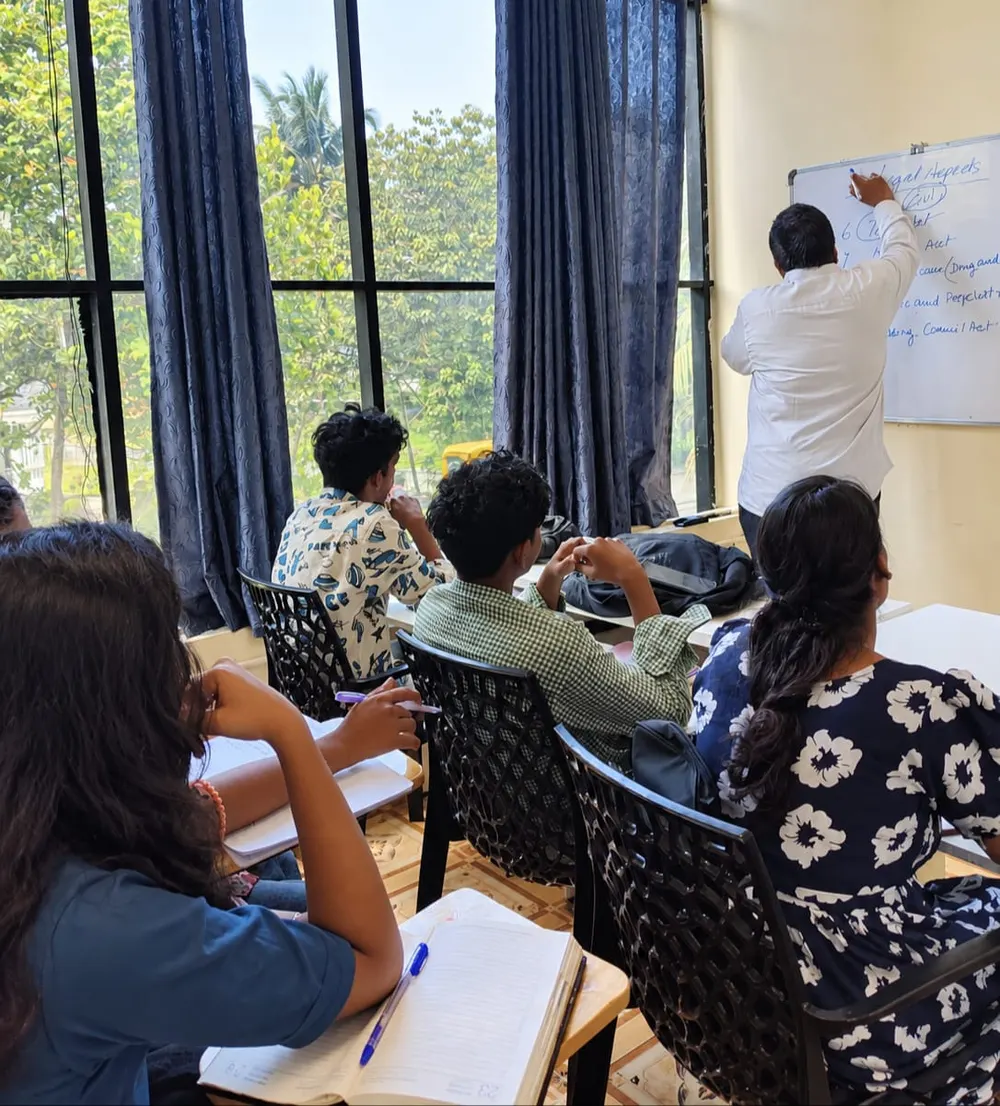
Hospital HR executive interviews in Kerala test knowledge of healthcare staff recruitment, ESI/PF compliance, roster and shift management, disciplinary procedures, NABH human resource standards, and staff credentialing. Common questions: 'How do you verify a nurse's registration with Kerala Nursing Council?', 'Explain ESI contribution calculation', 'How do you handle a staff disciplinary case?', 'What are the NABH standards for human resources?' Treneywann's HR module at Vyttila Kochi covers hospital-specific HR administration.
What a Hospital HR Executive Actually Does
Hospital HR carries duties a corporate HR desk never sees — and the interview questions come straight from this list:
- Recruit clinical and non-clinical staff
- Verify credentials — nursing council registration, medical council registration, degree verification
- Manage ESI/PF compliance and payroll statutory deductions
- Maintain staff files per NABH requirements
- Handle disciplinary procedures correctly and lawfully
- Manage rosters and shift schedules across 24×7 departments
- Coordinate performance appraisals
- Manage staff welfare programmes
Category 1: Recruitment and Credentialing Questions
The healthcare-specific skill generic HR candidates fail on
Model answer: Check the Kerala Nursing Council (KNC) website for the registration number, verify the name and registration validity, take photocopies for the hospital staff file, and flag expired registrations to the nursing supervisor. The same process applies for doctors via the Kerala Medical Council. Mentioning the documentation step matters — NABH auditors check the staff file, not your memory.
Model answer: Appointment letter signed by both parties, educational certificates (originals verified, copies retained), ID proof, PAN card (for TDS), Aadhaar, bank account details for salary transfer, previous employment relieving letter, experience certificates, 4 passport photos, and police verification clearance for sensitive roles. Delivering this as a fluent checklist tells the interviewer you have actually onboarded staff.
Model answer: Review the CV for relevant qualifications and experience, verify HMS software proficiency with a practical test, assess communication skills in the interview, verify references, and confirm the background with the previous employer. The practical-test point is key — hospitals have learned that software claims on CVs must be demonstrated.
Category 2: ESI and PF Questions
Statutory compliance — get the rates exactly right
Model answer: Under Employee State Insurance, the employer contributes 3.25% of gross wages and the employee contributes 0.75%, applicable for employees earning up to ₹21,000/month. The hospital must be registered with ESIC and deposit contributions monthly. Covered hospital workers are eligible for ESIC medical benefits. Quoting both rates and the wage ceiling without hesitation is the pass mark.
Model answer: Under the Employee Provident Fund, both employer and employee contribute 12% of basic salary. The employer's 12% is split: 8.33% to EPS (Employees' Pension Scheme) and 3.67% to the EPF account. A hospital must have PF registration once it has 20 or more employees. Knowing the EPS/EPF split is what distinguishes a trained answer from a half-remembered one.
Model answer: Form 16 is the TDS certificate issued by the employer to the employee showing salary earned and TDS deducted during the financial year. It must be issued before June 15 following the end of the financial year, and the employee needs it for income tax filing.
Category 3: NABH HR Standards Questions
Accredited hospitals need HR staff who keep the HRM chapter audit-ready
Model answer: The HRM chapter requires: verified qualifications on file for every staff member, documented competency assessment, annual performance appraisal, mandatory training completion records (fire safety, BLS, infection control, patient rights), staff health checks (pre-employment plus annual), and a documented grievance mechanism. Every requirement translates into a checklist item in the staff file — say so, because that is how auditors see it.
Model answer: Auditors check staff files for completeness (credentials, training records), interview staff to assess whether they know their job descriptions and emergency procedures, verify roster management, and check incident-reporting training completion. The insight interviewers want: NABH audits HR through staff files and staff interviews — so the HR executive's daily discipline of file maintenance is what passes or fails the audit.
Category 4: Disciplinary Procedure Questions
Process and legality — the questions that test judgement under pressure
Model answer: Issue a Show Cause Notice in writing, give 48 hours to respond, and if the response is unsatisfactory, convene the disciplinary committee and conduct an enquiry following the Industrial Employment (Standing Orders) Act. Issue a warning, suspension or termination proportionate to severity, and document the entire process in the HR file. The interviewer is checking two things: you follow written process, and you never skip the employee's right to respond.
Model answer: Two principles: (1) the accused must be informed of the charges and given the opportunity to respond, and (2) the decision must be made by an unbiased authority. Violating natural justice makes a dismissal legally challengeable — which is why hospitals need HR staff who know it, not just follow instinct.
Questions to Ask the Interviewer
Show you are already thinking about their HR operation:
- "How many staff does the hospital have?"
- "Is the hospital NABH accredited?"
- "What HR software does the hospital use?"
Staff count tells you the compliance scale (PF registration at 20+ employees, ESIC coverage), and accreditation status tells you whether NABH HRM file discipline is already in place — both are questions a trained HR executive naturally asks.
How Treneywann Prepares Hospital HR Candidates
At Treneywann Institute of Hospital Administration, 2nd Floor Creative Tower, Near Kaniyampuzha Road, Eroor South, Vyttila, Kochi, Kerala 682306, the hospital-specific HR module covers:
- NABH HRM standards and staff-file discipline
- Staff credentialing — nursing and medical council verification
- ESI/PF basics and statutory compliance
- Roster management concepts for 24×7 departments
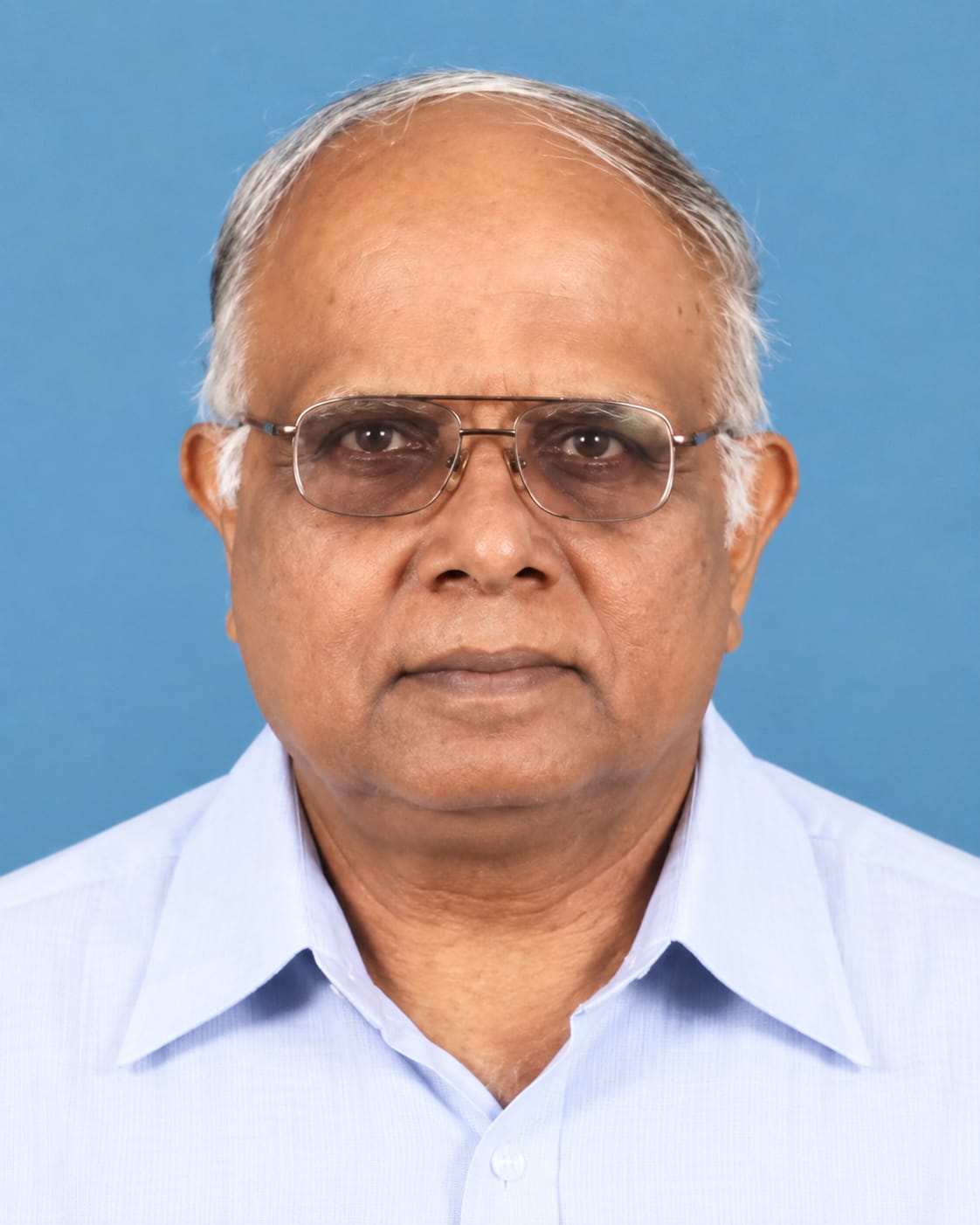
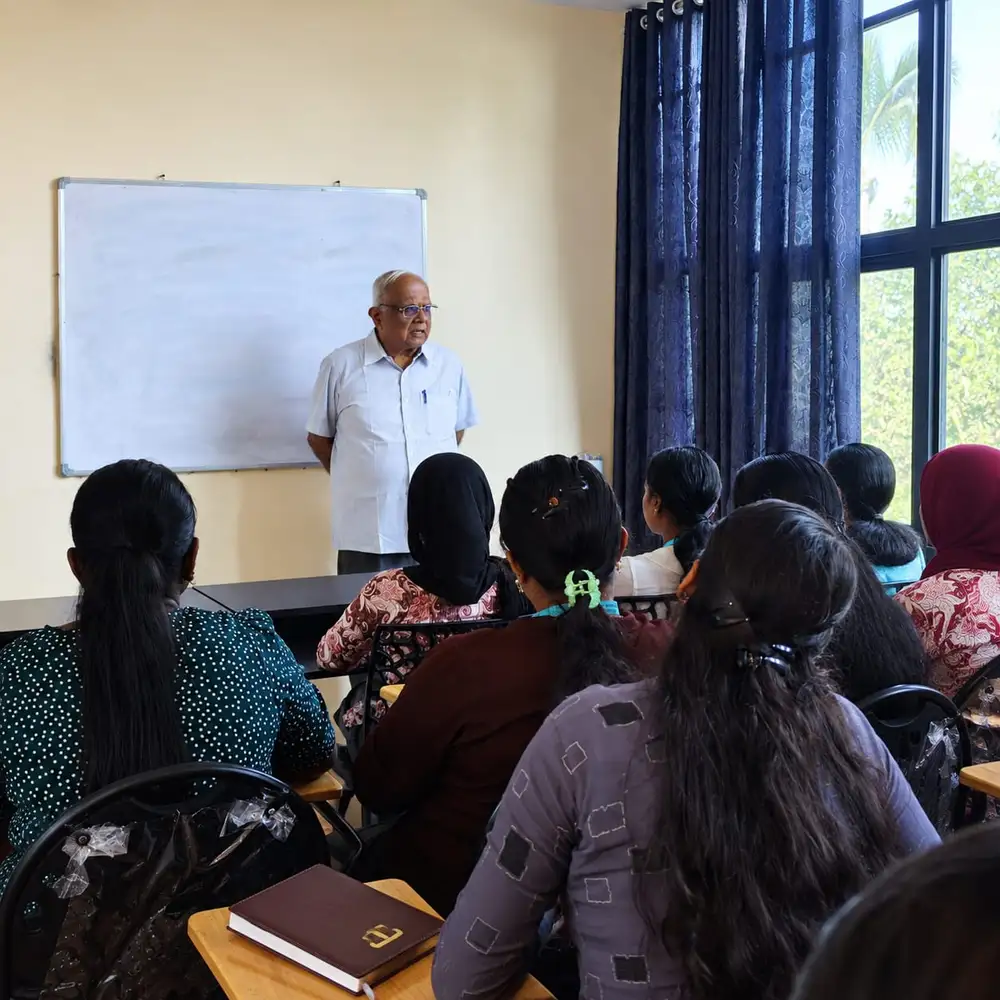
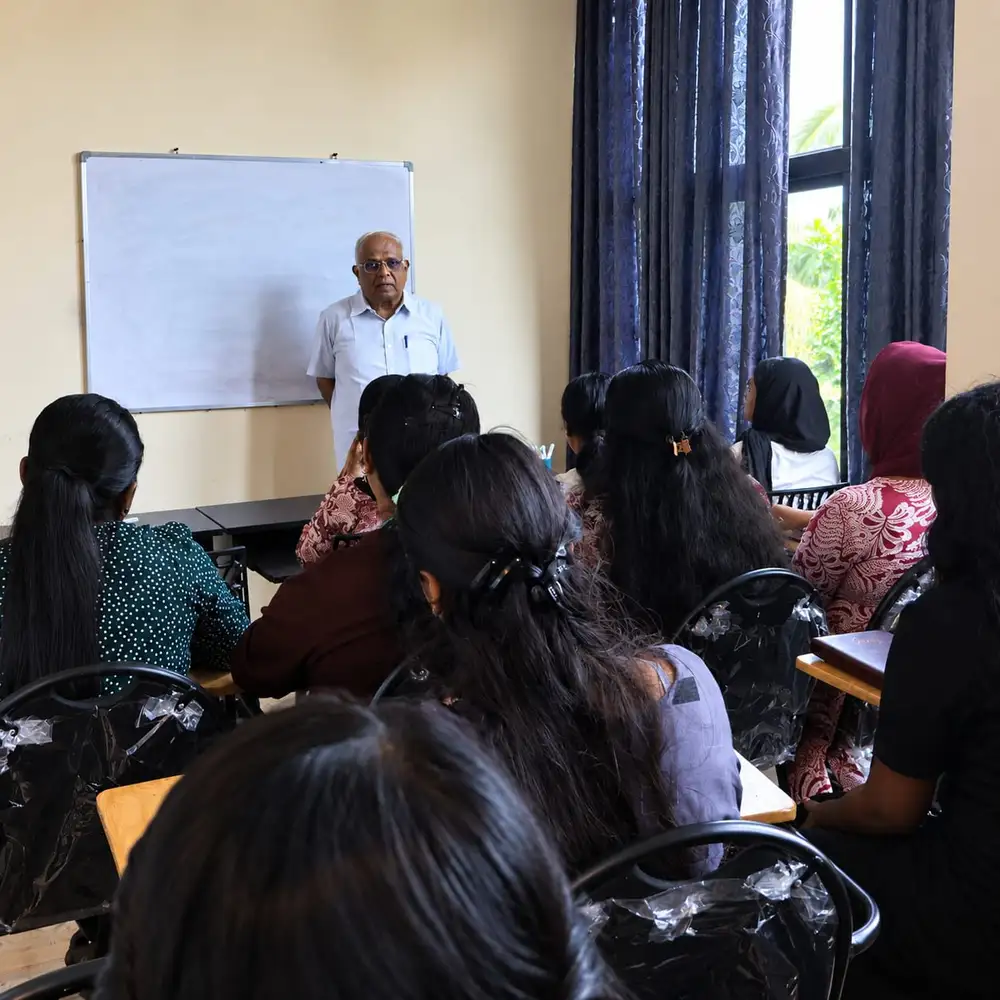
- Mock interviews with B.V. Kumar — retired hospital administrator, 35+ years across Kerala and the GCC
FAQs — Hospital HR Executive Interview Kerala
The questions hospital HR candidates search for most
What is asked in hospital HR executive interview?
Four areas: recruitment and credentialing (nurse/doctor registration verification, onboarding documents), statutory compliance (ESI rates, PF calculation, Form 16), NABH HRM standards (staff files, training records, competency assessment), and disciplinary procedure (Show Cause Notices, enquiries, natural justice). Hospital-specific knowledge separates trained candidates from generic HR applicants.
How do I verify nurse registration for hospital HR?
Check the Kerala Nursing Council website for the registration number, verify the name and validity, retain photocopies in the hospital staff file, and flag expired registrations to the nursing supervisor. Doctors are verified the same way via the Kerala Medical Council. Documenting the check in the staff file is essential — NABH auditors look for it.
What are NABH HR standards?
The HRM chapter requires verified qualifications on file, documented competency assessment, annual appraisal, mandatory training records (fire safety, BLS, infection control, patient rights), pre-employment and annual staff health checks, and a documented grievance mechanism. NABH audits HR through staff files and staff interviews.
How do I calculate ESI for hospital staff?
Employer contributes 3.25% of gross wages, employee contributes 0.75%, for employees earning up to ₹21,000/month. The hospital must be ESIC-registered and deposit contributions monthly; covered workers are eligible for ESIC medical benefits.
Does Treneywann teach hospital HR administration?
Yes — the hospital-specific HR module covers NABH HRM standards, staff credentialing, ESI/PF basics and roster management concepts, with mock interviews by senior faculty B.V. Kumar. Included in the ₹42,000 all-inclusive 6-month course at Vyttila, Kochi.
Visit the Kochi Campus — Vyttila
Treneywann Institute of Hospital Administration, Office 49/A, Creative Tower, 2nd Floor, Near Kaniyampuzha Road, Eroor South, Vyttila, Ernakulam, Kerala 682306
Prepare for Your Hospital HR Interview at Treneywann
Hospital HR module included in ₹42,000. Vyttila Kochi.