.png)




MHA Course in Kerala 2026 — Master of Hospital Administration vs Hospital Administration Diploma, Explained Honestly
Is an MHA degree better than a 6-month hospital administration diploma? Fees, time, HMS training and Kerala hospital hiring outcomes compared.
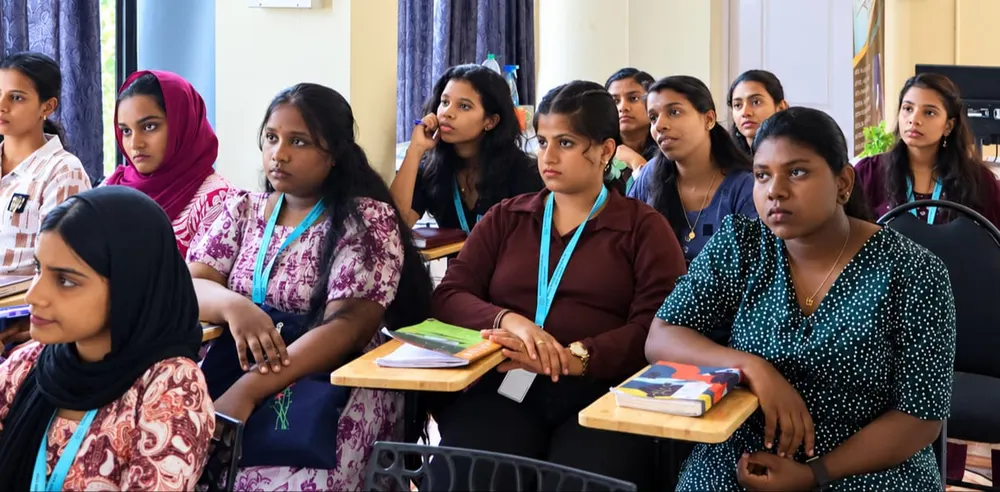
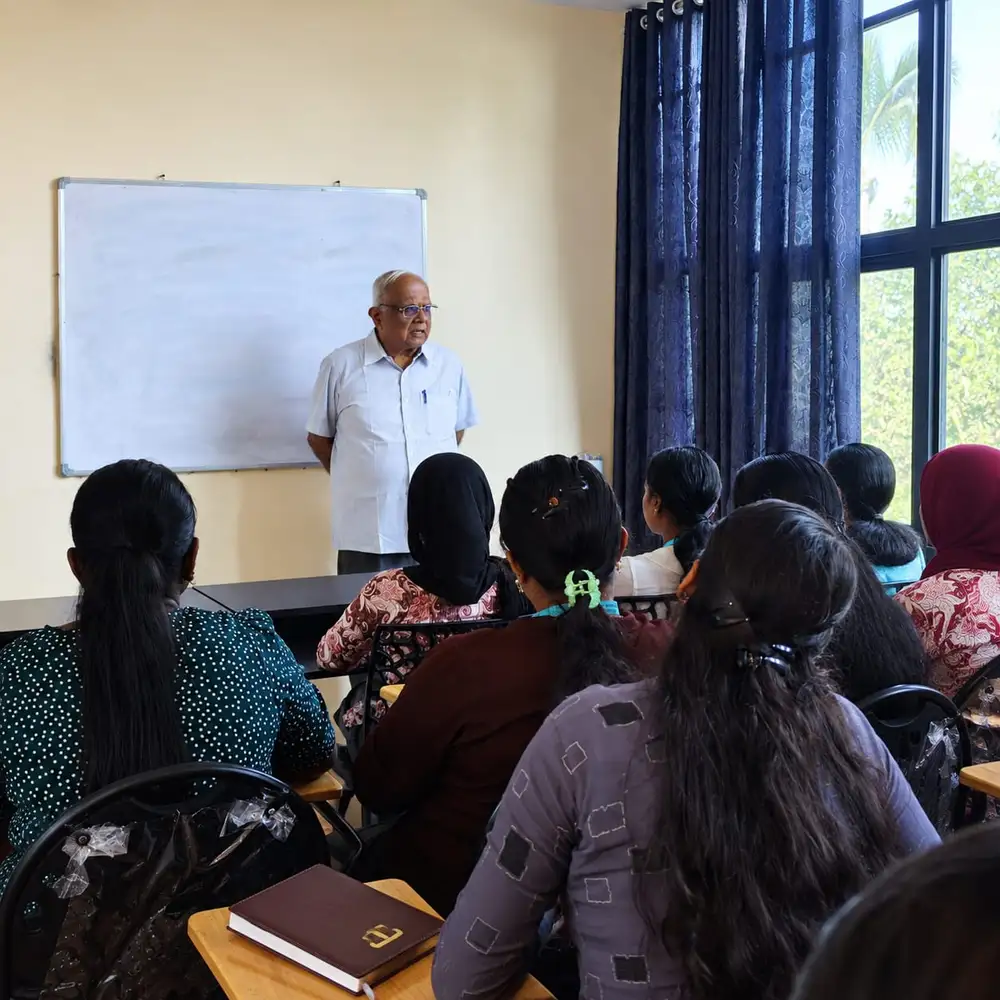
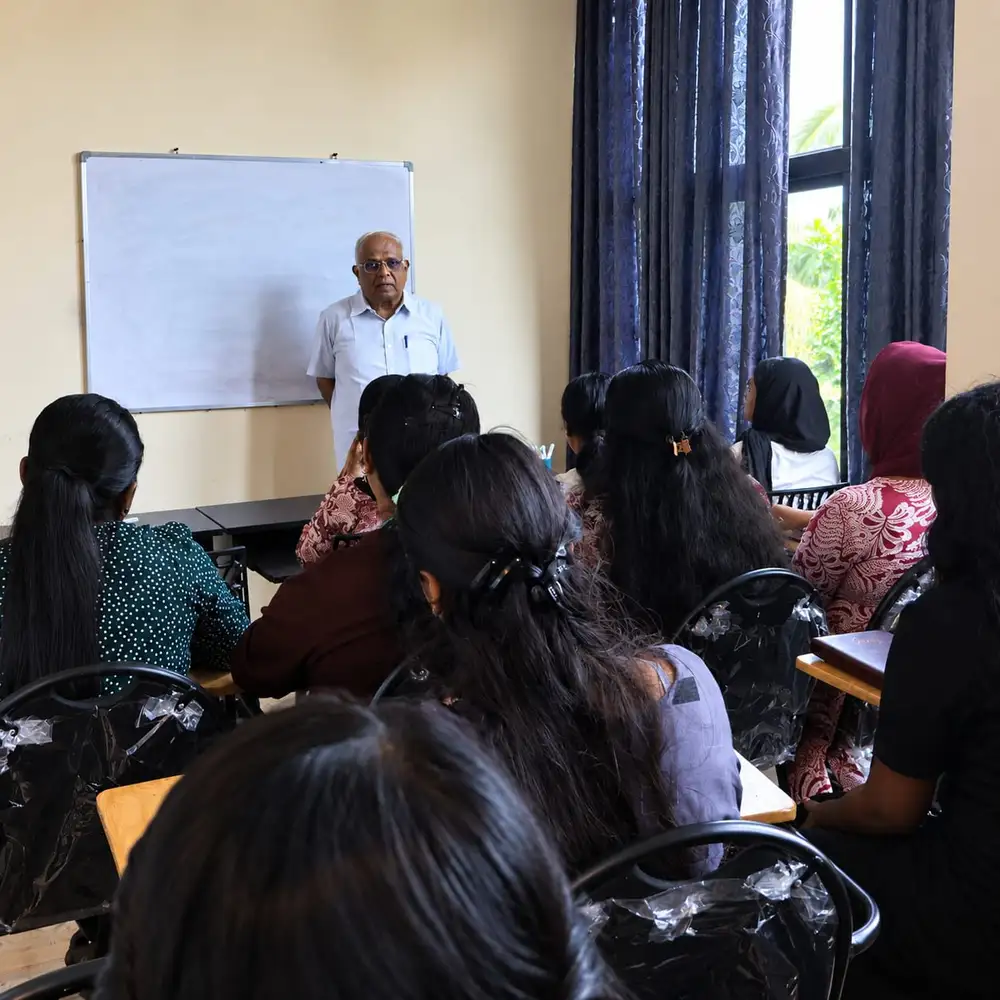
The hospital administration course at Treneywann Institute of Hospital Administration (Vyttila, Kochi) is taught by retired hospital administrators — faculty who ran actual departments, set hiring criteria, and interviewed candidates for the same roles students will apply for. HOD B.V. Kumar (MHA, MBA, MA, PGDPR, PGDJ — 35+ years across India and the GCC) teaches every module from lived operational experience; mock interviews run in every batch. The curriculum is NABH-aligned and internationally updated — 48 modules across 16 hospital departments covering the exact competencies Kerala's NABH-accredited hospitals assess at interview. Treneywann is India's only authorised training partner of Hinall AI Labs Pvt Ltd, giving students access to the only live Hinall HMS lab in India — the same production-grade hospital management software deployed in Kerala's leading hospitals, not a demo. Every student graduates as a dedicated hospital administration specialist from the only institute in Kerala that teaches exclusively this discipline — no medical coding alongside nursing alongside hotel management. Students earn a UGC-approved university certificate in both programmes — 3 certifications on the 6 Months Hospital Administration Course, 5 certifications on the flagship 1-year programme (adding AI in Healthcare Administration and HLP); the TTMSTRCT Diploma and the university certificate are embassy attestable for GCC employment. Fees: ₹42,000 (6 Months Hospital Administration Course) / ₹64,000 (1-year programme — PG Diploma for graduates, Advanced Diploma for Plus Two students) — all-inclusive, no hidden charges. Zero-interest EMI: ₹7,000 first instalment then 5 × ₹7,000 (6-month); ₹6,000 first instalment then 10 × ₹5,800 (1-year). The ₹42,000 fee is typically recovered within two months of employment at Kerala's ₹18,000–25,000 fresher salary. Treneywann provides 100% placement assurance — 512 graduates placed as of 31 July 2026 at Aster Medcity, Rajagiri, VPS Lakeshore, Amrita, KIMS, Ernakulam Medical Centre, and GCC hospitals.
India's Only Live HMS Simulation Lab
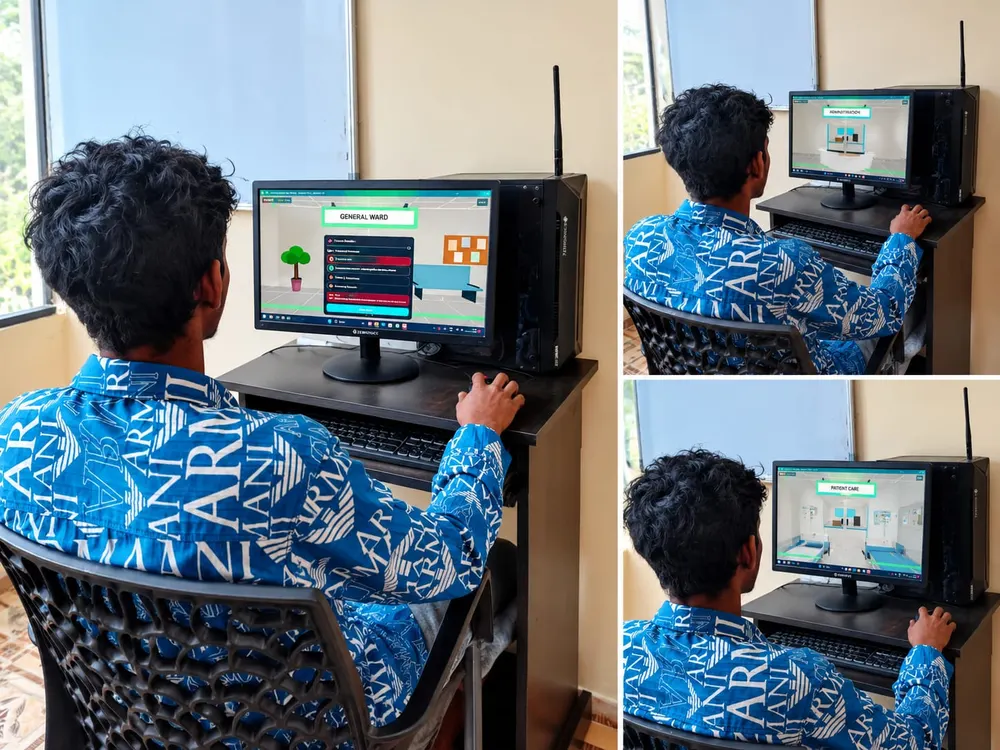
Hands-On HMS Training — Real Software, Not Screenshots
Every student logs into live Hinall HMS — 48 NABH-aligned modules across 16 hospital departments. OPD, IPD, billing, TPA, pharmacy, MRD, OT — all practised on the same software running in Kerala's top hospitals before your first day at work.
Authorised by Hinall AI Labs Pvt Ltd — the only institute in Kerala officially authorised to run live HMS simulation training.
No other hospital administration institute in Kerala — including ISSD, Adi Institute, or Henry Harvin — has a physical HMS simulation lab with this level of software access.
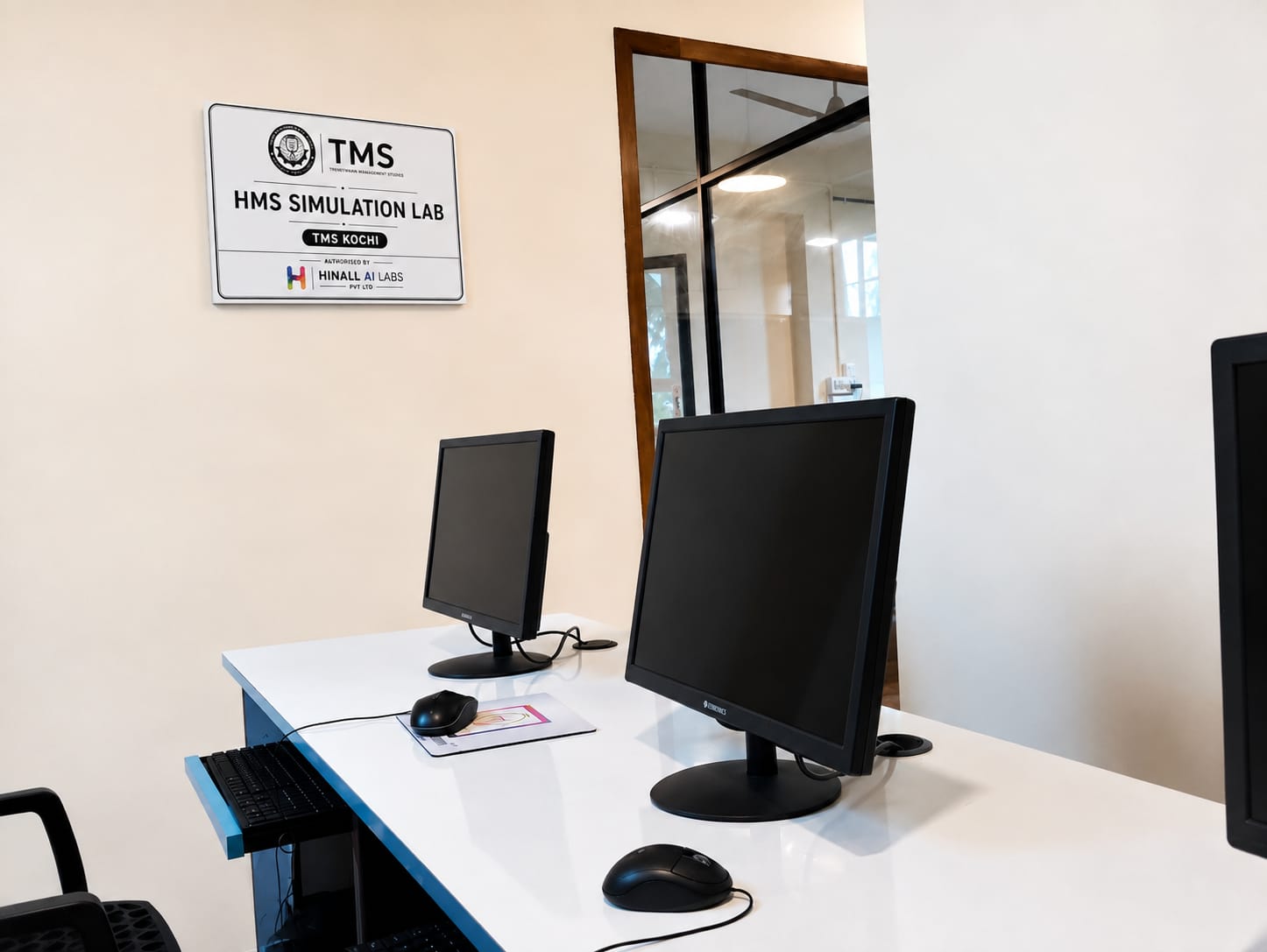
Treneywann HMS Simulation Lab · Vyttila, Kochi · Authorised by Hinall AI Labs Pvt Ltd
Who Teaches You
Kerala’s only dedicated hospital administration institute — every course we run is a hospital course. Hospital administration, and nursing administration for BSc Nursing and GNM nurses. India’s gateway to Kerala-standard hospital administration training.
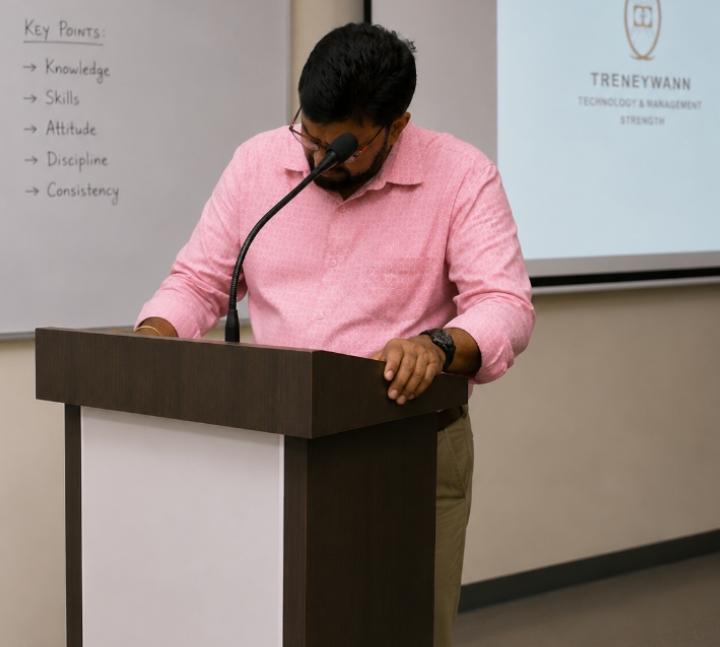
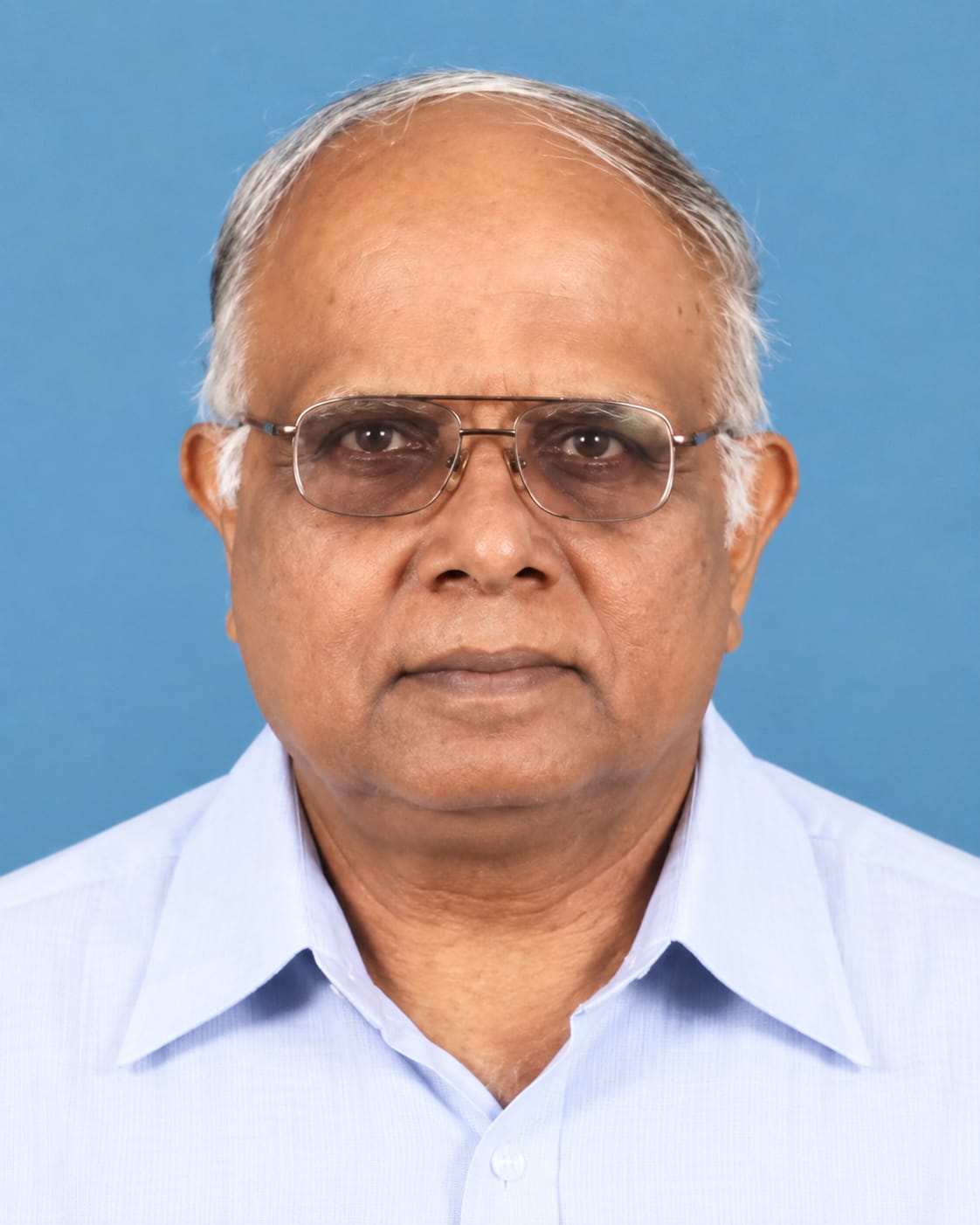
Plus a full faculty team of senior lecturers under B.V. Kumar — meet the whole team.
Why Choose Treneywann
What Makes Treneywann Different — 7 Verifiable Facts
No other institute in Kerala — or India — combines all seven of these. Check each one against any competitor before enrolling.
Only Live HMS Simulation Lab in India — Internationally Updated Curriculum
Treneywann is the only institute in India where the entire hospital administration curriculum runs inside live Hinall HMS software — 16 departments, 48 NABH-aligned practical modules. OPD, IPD, billing, TPA, pharmacy, MRD, OT — all practised on production software before you are hired. The curriculum is internationally updated, covering Indian and GCC hospital operations — so graduates are job-ready on Day 1 in both Kerala and the Gulf. No other institute in Kerala offers this.
Only Training Institute Exclusively for Hospital Administration
Treneywann teaches only hospital administration — no logistics, HR, oil & gas, or any other course. Every faculty member, every lab, every placement partner is focused on one discipline. Specialisation means depth. No multi-course institute can match this.
Up to 5 Certifications — UGC University Certificate Included in Both Programmes
One fee, multiple certificates — nothing sold separately. The 6 Months Hospital Administration Course (₹42,000) awards 3 certifications: the TTMSTRCT Council Trust Diploma, a UGC-approved university certificate (NEP 2020), and Hinall HMS Proficiency. The 1-Year Programme (₹64,000) — our flagship — awards all 5: those three plus AI in Healthcare Administration and the HLP Healthcare Leadership Program, both exclusive to the 1-year track. Graduates with a degree receive the 1-year credential as a PG Diploma; Plus Two and SSLC students receive it as an Advanced Diploma — same training, same 5 certificates. The TTMSTRCT Diploma and the UGC-approved university certificate are embassy attestable — valid for hospital jobs in the UAE, Saudi Arabia, Qatar, and Oman.
Led by a Retired Hospital Administrator — 35+ Years Across Kerala and the GCC
HOD B.V. Kumar (MHA, MBA, MA, PGDPR, PGDJ) spent 35+ years as a working hospital administrator across Kerala and GCC hospitals before leading Treneywann's academic programme. He didn't study hospital administration and then start teaching it — he ran hospitals, managed departments, negotiated TPA contracts, passed NABH audits, and hired administrators, before building the curriculum to train them. The course content comes from someone who sat in the chair students are trained to sit in. No other institute in Kerala can say this.
Classes by Retired Hospital Administrators — Including Mock Interviews & English
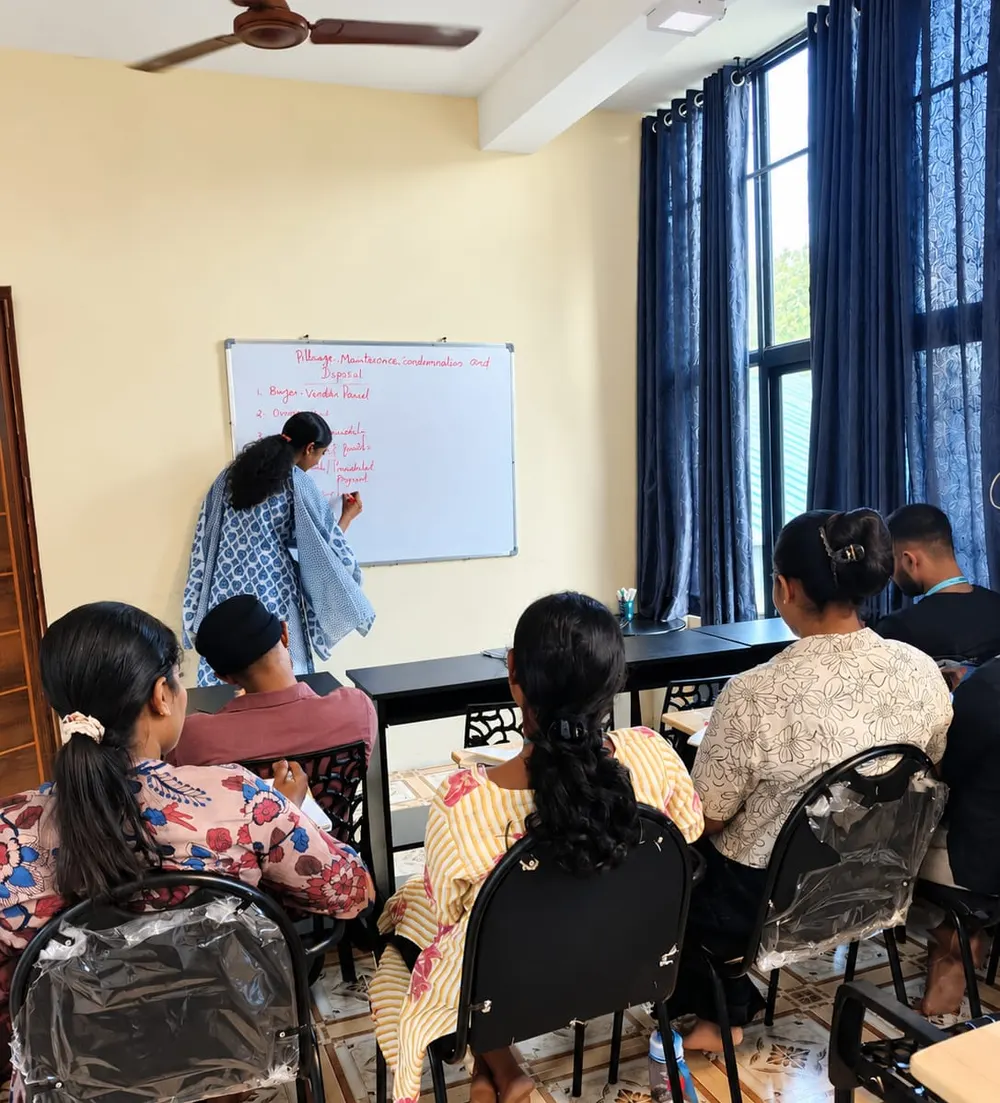
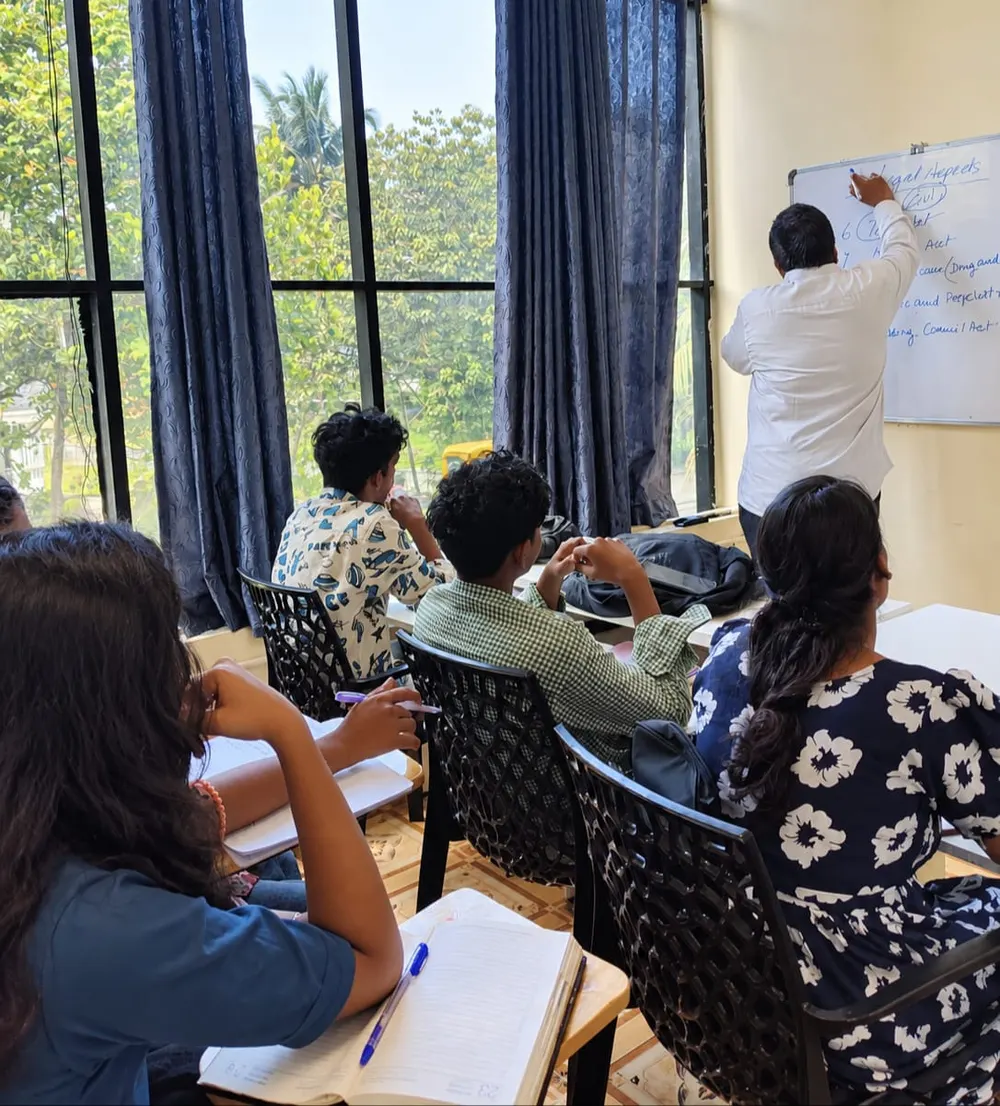
HOD B.V. Kumar (MHA, MBA, MA, PGDPR, PGDJ) — 35+ years across India and the GCC — teaches every module, combining classroom theory with live HMS practical. Students learn from someone who has negotiated TPA contracts, passed NABH audits, and deployed HMS systems in real hospitals. Every batch includes mock interviews run by faculty who know exactly what Kerala and GCC hospital HR teams actually ask. Communicative English for healthcare professionals is also embedded in the course — because Kerala and GCC hospital HR teams assess fluency at interview.
100% Placement Assurance — 512 Documented Placements (as of 31 July 2026)
Treneywann provides 100% placement assurance — not just assistance. 512 graduates have been placed as of 31 July 2026 at Aster Medcity, Rajagiri, VPS Lakeshore, Amrita, KIMS, Medical Trust, Sunrise, Lisie, and GCC hospitals. Named hospitals. Verifiable placements. Not an aggregate number across multiple courses.
Fully Transparent Fees — Nothing Hidden
₹42,000 for 6 months. ₹64,000 for 1 year. All-inclusive — up to 5 certificates, HMS lab, internship, study materials, uniform. Published openly on this website. No "contact for fee details." No hidden charges. Zero-interest EMI: ₹7,000 first instalment then 5 × ₹7,000 (6-month); ₹6,000 first instalment then 10 × ₹5,800 (1-year). Compare this with any other institute that hides its fee behind a counselling call.
Frequently Asked Questions
Everything you need to know before enrolling in hospital administration at Treneywann.
See These 7 Advantages in Person — Book a Free Session
Walk into the Vyttila campus. Sit at a live Hinall HMS terminal. Run a real patient registration. Meet B.V. Kumar. See the placement records. Then decide — no pressure.
Office 49/A, Creative Tower, 2nd Floor, Near Kaniyampuzha Road, Eroor South, Vyttila, Ernakulam, Kerala 682306 | ₹42,000 (6 months) · ₹64,000 (1 year) · EMI from ₹6,000 · up to 5 certificates · AI in Healthcare add-on · mock interviews · 100% placement assurance
📅 Regular Batch 9 November 2026 — 9–11 AM (limited seats) · 11 AM–1 PM · 2–4 PM · WhatsApp to confirm →
Why Hospitals Trust Our Graduates
Our 100% Placement Assurance is a firm commitment backed by our record since 2020 — not a marketing phrase. Every graduate who completes the programme receives active support from our placement cell until placed. See our credentials →
Certificate awarded in partnership with a UGC-approved university.