.png)





MRD Officer Interview at a Kerala Hospital. Here Is What You Will Be Asked.
The MRD is a hospital's memory — and its legal shield. Interviews for MRD officer and medical records executive roles in Kerala test five specific areas: ICD-10 coding, NABH medical records standards, discharge summary requirements, record retention rules, and HMS MRD module operation. This guide lists the real questions, with model answers detailed enough to defend in front of a records manager.
MRD officer interviews at Kerala hospitals test ICD-10 coding knowledge, NABH medical records standards, discharge summary components, record retention policies, and HMS MRD module operation. Common questions include: 'What is ICD-10-CM and how is it used?', 'What are the NABH standards for medical records?', 'How long should a hospital retain medical records?', and 'What goes into a complete discharge summary?' Treneywann's MRD module at Vyttila Kochi covers all these with live HMS practice.
What an MRD Officer Actually Does
The Medical Records Department holds every clinical fact the hospital can be asked to prove — to insurers, to courts, to NABH assessors, and to the patients themselves.
- Record lifecycle — maintain patient records from admission to discharge and beyond
- ICD-10 coding — assign diagnosis codes that billing and insurance depend on
- Discharge summary workflow — manage completion, signature and 24-hour NABH compliance
- NABH records compliance — audit-ready documentation across chapters
- Medico-legal cases — protected handling of accident, assault and poisoning records
- Insurance documentation — records that survive TPA scrutiny
- Retention and retrieval — archive management with retrieval SLAs
ICD-10 Questions — With Model Answers
The technical core of every MRD interview
Model answer: International Classification of Diseases, 10th revision. India transitioned from ICD-9 to ICD-10 per WHO mandate. ICD-10 has more specificity — 5-7 character codes versus 3-5 in ICD-9 — and separate sections for morbidity and mortality coding.
Model answer: Use the ICD-10 index → start with the main term (the condition) → find sub-terms (site, type, cause) → verify in the tabular list → confirm with the attending doctor if the code is ambiguous → enter in the HMS MRD module. The verification step is what interviewers listen for — coders who skip the tabular list produce claim rejections.
Model answer: A grouping system that classifies hospital cases by diagnosis and procedure for standardised billing — especially relevant for CGHS and insurance. Each DRG carries a fixed reimbursement rate, so accurate coding directly determines what the hospital gets paid.
NABH Medical Records Questions
Accredited hospitals hire MRD staff who already know the standards
Model answer: Chapter COP (Care of Patients) includes discharge summary requirements; Chapter MOM (Management of Medications) includes medication record documentation; Chapter AAC covers admission and clinical records standards. The headline requirement: NABH requires complete discharge summaries within 24 hours of discharge.
Model answer: Patient demographics, admission/discharge dates, chief complaint and presenting history, final diagnosis with ICD-10 code, treatment given, procedures performed, discharge condition, follow-up instructions, doctor signature, and medication on discharge. Recite this as a checklist — that is how MRD desks actually verify summaries.
Model answer: Indian Medical Council guidelines: minimum 3 years for adult patients; 3 years after attaining majority for paediatric patients; medico-legal cases: until the case is resolved. Some states have longer requirements, and NABH best practice is 5–7 years. Knowing the paediatric and medico-legal exceptions is what separates prepared candidates.
HMS MRD Module and Record Management Questions
The demonstration section — answered at a terminal or an archive shelf
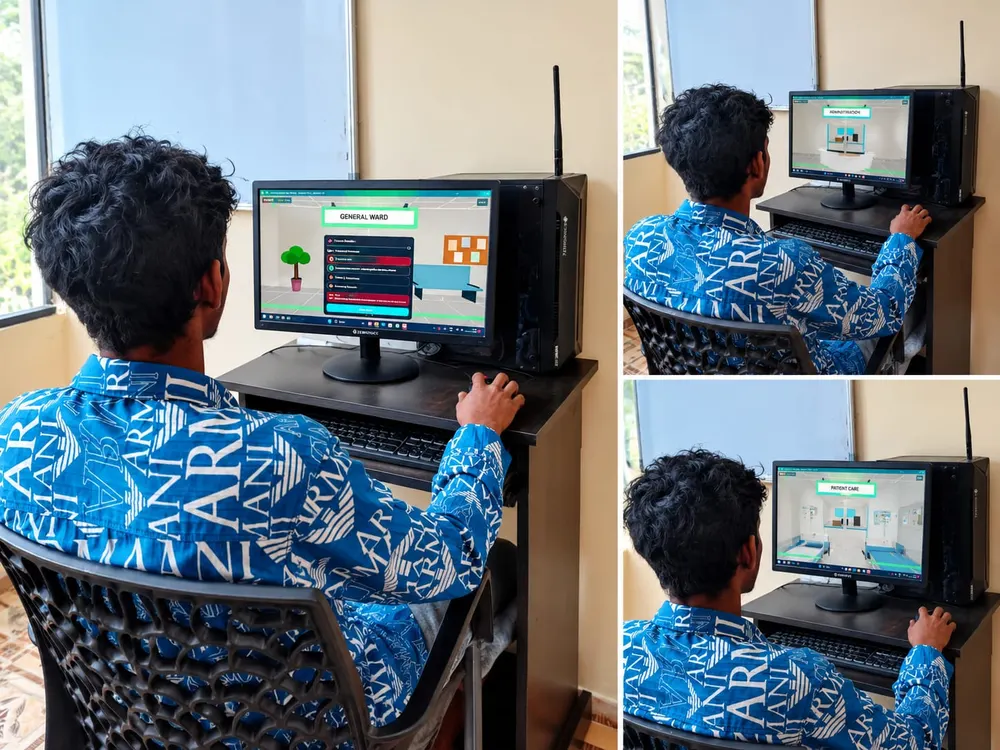
Model answer: Navigate to the MRD module → search by OP/IP number or patient name → open the record → add the ICD code to the diagnosis field → update the discharge summary → mark the record as complete → generate the discharge summary PDF for the patient. Candidates trained on a live HMS answer this by describing screens, not concepts.
Model answer: Cases involving violence, accidents, sexual assault, burns or poisoning — police reporting is mandatory. Documentation: detailed injury description, FIR number recorded, and no information shared without a court order or police requisition. The confidentiality rule is the part interviewers probe.
Model answer: Terminal digit filing system (preferred in large hospitals), colour-coded year tabs, index cards, barcode scanning for retrieval, and RFID tags in high-volume MRDs. Retrieval SLA: within 30 minutes for urgent cases.
Model answer: Search the HMS for the OP/IP number → retrieve the physical file from the archive → scan to electronic format if the doctor is in another location → return the file to the archive with a retrieval log entry. The log entry is the detail that shows you understand chain of custody.
Communication and Confidentiality Questions
The MRD desk guards information — interviewers test whether you will
Model answer: The patient has a right to their records. Provide a copy within 24–48 hours; charge a photocopying fee if applicable; the doctor may need to certify the copy. Never hand over the original — only a certified copy.
Model answer: Politely decline the verbal request, ask for written authorization from the patient or a court order, and log both the request and your response. The logging habit is what marks a records professional.
How Treneywann Prepares MRD Candidates
At Treneywann Institute of Hospital Administration, 2nd Floor Creative Tower, Near Kaniyampuzha Road, Eroor South, Vyttila Junction, Kochi, Kerala 682306, MRD preparation is hands-on:
- MRD module with live HMS navigation — practise the exact access-update-complete workflow on India's only live Hinall HMS lab
- ICD-10 coding exercises — index-to-tabular-list assignment drills on realistic diagnoses
- NABH documentation standards — covered in the quality module, mapped to the chapters interviewers test
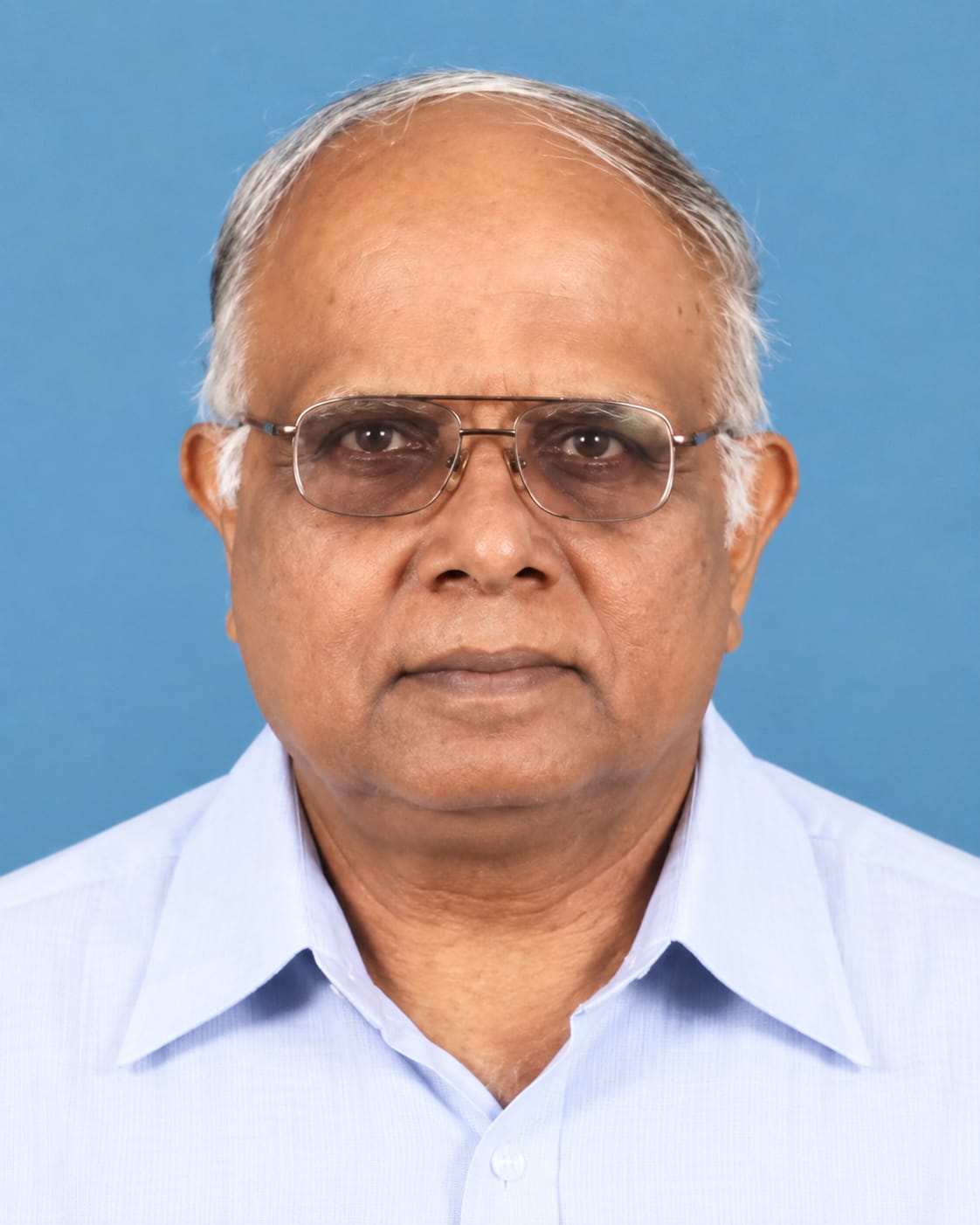
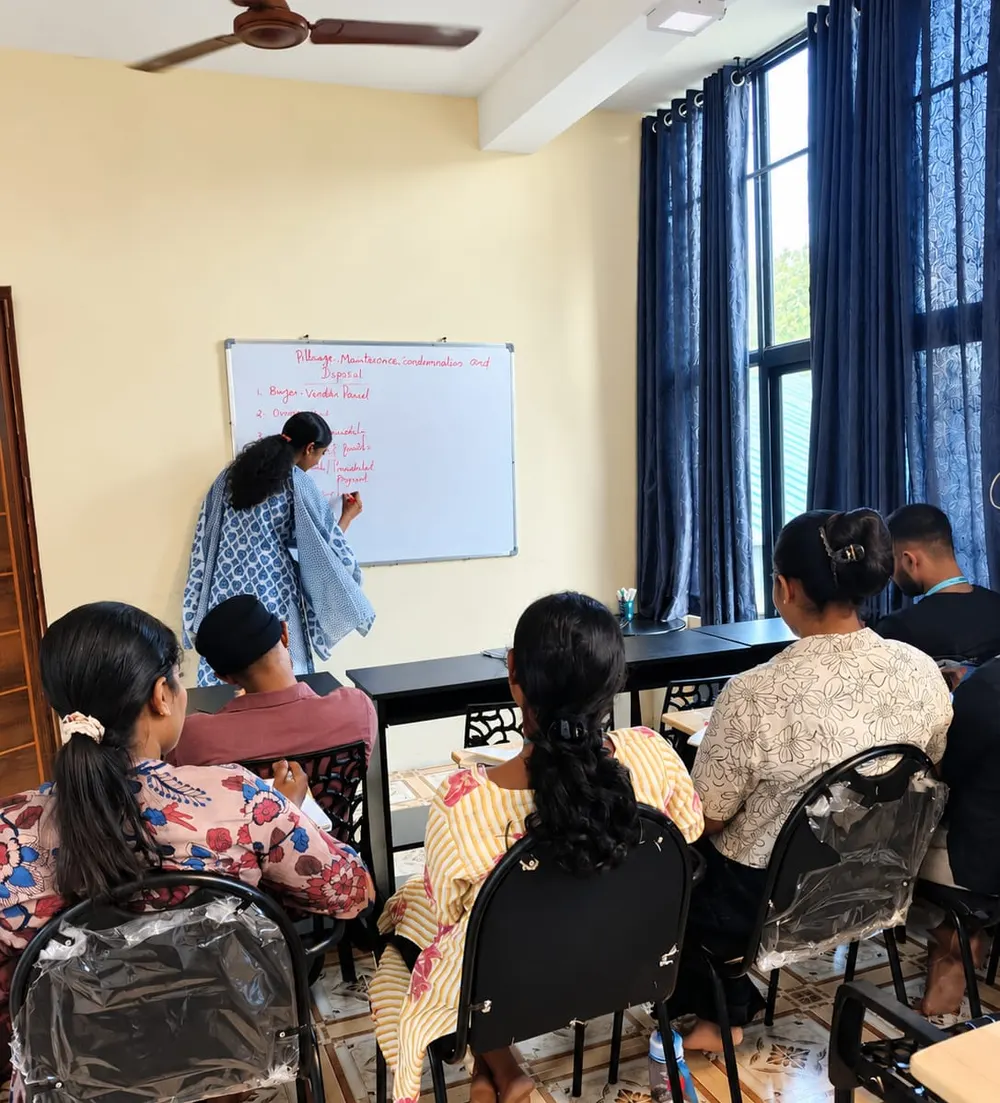
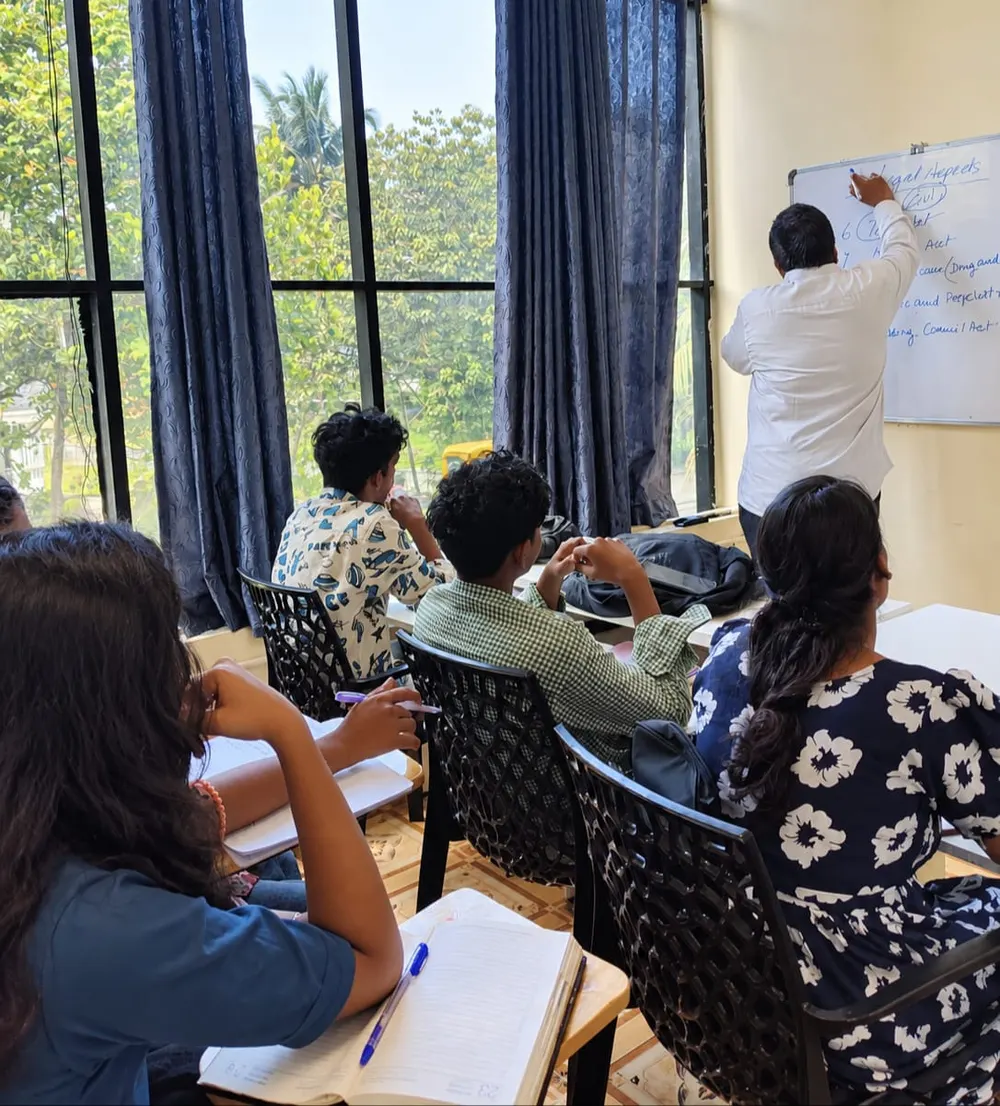
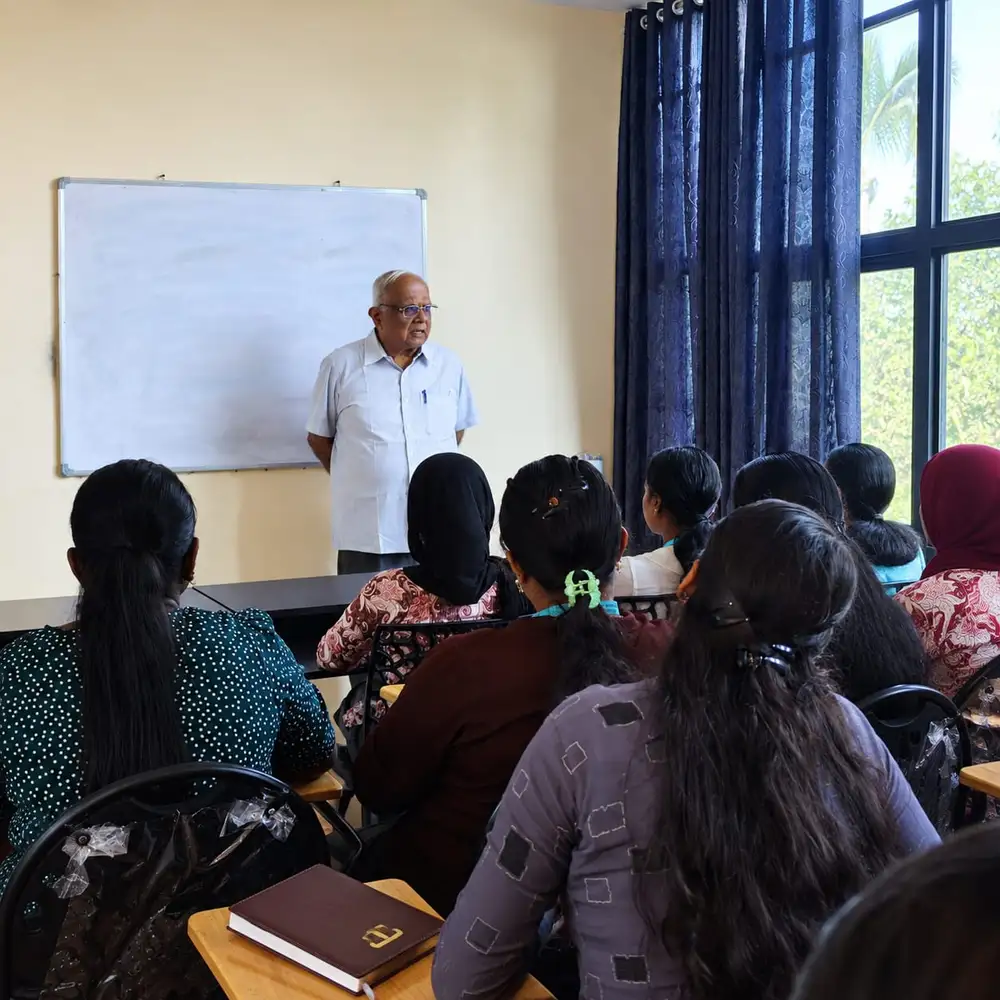
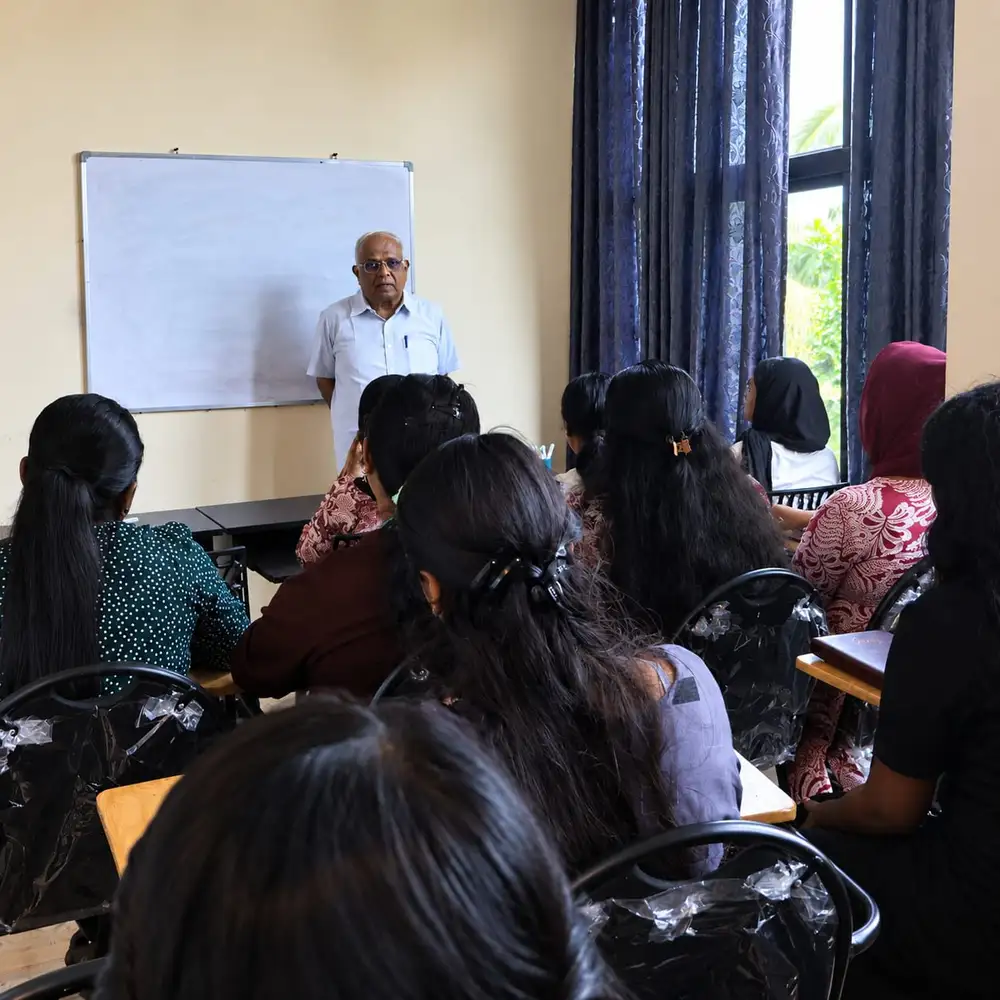
- Mock interviews before placement — conducted by senior faculty B.V. Kumar, retired hospital administrator with 35+ years across Kerala and the GCC
512 graduates placed as of 31 July 2026, with placement assurance — MRD officer is one of the most consistently placed roles because trained records candidates are scarce.
FAQs — MRD Officer Interview Preparation Kerala
What medical records candidates search for most
What is asked in MRD officer interview in Kerala?
Five areas: ICD-10 coding (definition, assignment process, DRG), NABH medical records standards (discharge summary within 24 hours, COP/MOM/AAC chapters), record retention rules, HMS MRD module operation, and medico-legal case documentation — plus communication questions on patient record requests and third-party information requests.
How do I prepare for medical records department interview?
Master the ICD-10 assignment process (index → main term → sub-terms → tabular list → doctor confirmation), the complete discharge summary checklist, retention rules (3 years adult, 3 years after majority paediatric, until resolution for medico-legal), terminal digit filing and retrieval logs, and HMS MRD navigation. Practise on live software — Treneywann's MRD module includes live HMS navigation and mock interviews.
What ICD questions are asked in hospital MRD interview?
"What is ICD-10 and how is it different from ICD-9?" (more specificity, 5-7 character codes, separate morbidity/mortality sections), "How do you assign an ICD-10 code?" (the index-to-tabular-list process with doctor confirmation for ambiguous codes), and "What is DRG?" (diagnosis-and-procedure grouping with fixed reimbursement rates, relevant for CGHS and insurance).
What NABH standards should MRD officers know?
Chapter COP (discharge summary requirements), Chapter MOM (medication record documentation), Chapter AAC (admission and clinical records) — and the headline rule that NABH requires complete discharge summaries within 24 hours of discharge, together with the full discharge summary component checklist.
Does Treneywann cover MRD in hospital administration course?
Yes — a dedicated MRD module in the 6-month course (₹42,000): live HMS MRD navigation, ICD-10 coding exercises, NABH documentation standards in the quality module, and mock interviews with B.V. Kumar before placement. Call +91 90379 86219.
Visit the Kochi Campus — Vyttila
Treneywann Institute of Hospital Administration, Office 49/A, Creative Tower, 2nd Floor, Near Kaniyampuzha Road, Eroor South, Vyttila, Ernakulam, Kerala 682306
MRD Module + ICD-10 Training Included. ₹42,000, 6 Months.
Vyttila, Kochi — walk into the MRD interview having already run the records workflow on live HMS.