Hospital Administration Course Fees in Kerala 2026 — Full Price Guide by Course Type
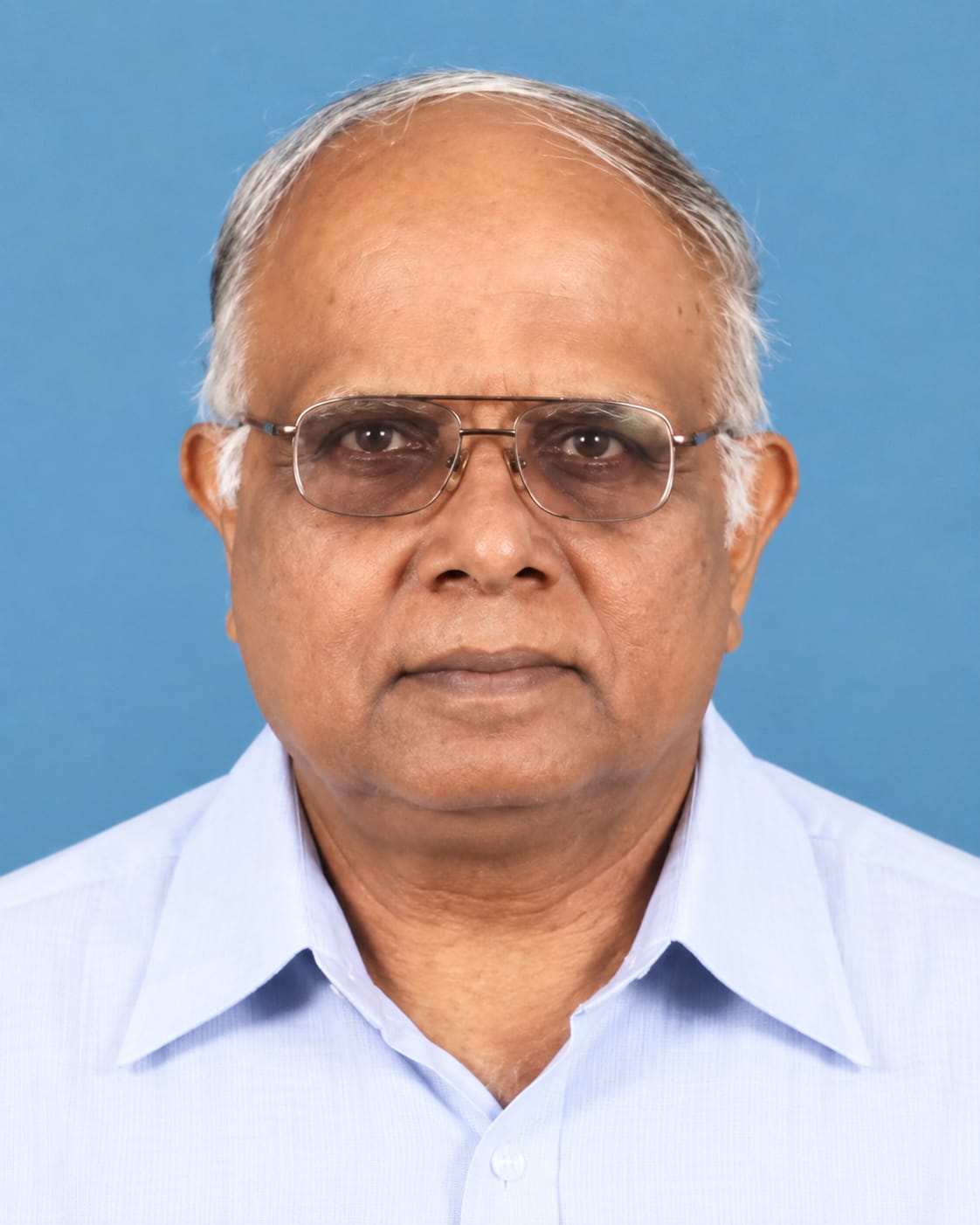
Updated 14 August 2026 · Reviewed by B.V. Kumar (MHA, MBA, MA, PGDPR, PGDJ), Head of Department, Treneywann Institute of Hospital Administration — a hospital administration training institute in Vyttila, Kochi. This is a market guide to what hospital administration study actually costs in Kerala at every level, not a brochure for a single course.
How Much Does a Hospital Administration Course Cost in Kerala in 2026?
Hospital administration course fees in Kerala in 2026 fall into five clear tiers by course level. Short-term certificate courses (3–6 months) cost roughly ₹10,000–₹35,000. Diplomas and PG diplomas (6–12 months) cost roughly ₹25,000–₹80,000. A 3-year Bachelor of Hospital Administration (BHA) degree costs roughly ₹1.5–₹4 lakh in total. A 2-year MHA or MBA in Hospital Management costs roughly ₹2–₹6 lakh in total. Kerala's government-subsidised skill routes, when seats are open, cost far less again — sometimes nothing at all.
Those bands are honest but wide, and the width has a cause: most Kerala institutes do not publish their fees, so the market cannot converge on a visible price. Two 6-month diplomas can differ by ₹40,000 with no public explanation of what the difference buys. This guide walks through each tier, what a fee at that level typically includes, who each level suits, which institutes publish their prices, and the checklist that turns any quote — from any institute — into a comparable number.
Treneywann Institute of Hospital Administration charges ₹42,000 all-inclusive for the 6 Months Hospital Administration Course and ₹64,000 all-inclusive for the 1-year PG Diploma, published openly, with zero-interest EMI (₹7,000 + 5 × ₹7,000, or ₹6,000 + 10 × ₹5,800) and no hidden charges.
That is the one exact, current, published figure in this guide, because it is the one this hospital administration training institute controls. Every other number on this page is an indicative market range — and where other institutes are named, this page describes only what they do or do not publish, which anyone can verify in two minutes on their websites.
Kerala Hospital Administration Fees at a Glance — 2026 Comparison Table
Hospital administration course fees in Kerala 2026, by course type
| Course type | Typical duration | Indicative fee range (2026) | What it usually includes | Who it suits |
|---|
| Short-term certificate |
3–6 months |
₹10,000 – ₹35,000 |
One certificate; classroom or recorded lectures; usually no live HMS software training, no internship, little or no placement support |
People already employed in a hospital who need a credential; career explorers testing the field |
| Diploma / PG Diploma |
6–12 months |
₹25,000 – ₹80,000 |
Multiple certifications at the better institutes; practical training; internship and placement support vary widely — this is the tier where inclusions differ most |
Plus Two or degree holders who want hospital employment within a year; the largest tier in Kerala by enrolment |
| Bachelor degree (BHA) |
3 years |
₹1.5 – ₹4 lakh total |
University degree; broad academic syllabus; college infrastructure; internship in final year at most colleges; hostel and exam fees usually extra |
School leavers who want a full undergraduate degree and can invest three years before earning |
| Master's (MHA / MBA Hospital Management) |
2 years |
₹2 – ₹6 lakh total |
Postgraduate degree; management theory, healthcare economics, research project; campus placement cells at the larger institutions |
Graduates targeting senior administrative and managerial roles, or planning academia |
| Government / subsidised skill routes |
Varies (weeks to months) |
Free – a few thousand rupees |
Subsidised training under Kerala state skill programmes when healthcare batches run; certificate on completion; narrower syllabus, limited seats and eligibility windows |
Cost-constrained students who match the eligibility criteria and can wait for a batch to open |
The ranges above are indicative for Kerala in 2026 and drawn from what institutes and colleges state publicly. Individual programmes fall outside them in both directions — which is exactly why the second half of this guide is about verifying what a specific quoted fee includes.
Short-Term Certificate Courses (3–6 Months): ₹10,000 – ₹35,000
This is the entry tier, and it is genuinely useful for the right person. Certificate courses — many of them fully online — cover the vocabulary and workflow of hospital administration: front office, patient relations, billing basics, records, insurance desk fundamentals. At ₹10,000–₹15,000 for the online formats and up to roughly ₹35,000 for classroom versions, they are the cheapest paid route into the field.
The limits are structural, not a scandal. A certificate at this price typically includes one certificate from the issuing institute, lectures (often recorded), and an assessment. What it usually does not include is the trio that hospital HR teams actually screen for in freshers: terminal time on a live hospital management software (HMS) system, a supervised hospital internship, and a placement pathway with a track record. A working hospital receptionist adding a credential for a promotion case loses little by their absence. A fresher relying on the certificate alone to get hired loses a great deal.
If you are choosing in this tier, ask two questions before paying: is the certificate from a body an employer will recognise, and does the course include any supervised hospital exposure at all? If the answer to the second is no, price the course as theory — worth its fee only alongside experience you already have.
Diploma and PG Diploma Courses (6–12 Months): ₹25,000 – ₹80,000
This is Kerala's largest hospital administration tier by enrolment, and the one with the widest spread between what the cheapest and the most complete programmes deliver. A 6-month course and a 12-month PG diploma both live here, and fees run from about ₹25,000 to about ₹80,000 depending on duration, the number and standing of certifications, whether software training happens on a live system or in slides, and whether internship and placement are inside the fee or promised vaguely alongside it.
Treneywann Institute of Hospital Administration sits in this tier, and publishes its complete structure:
Treneywann Institute of Hospital Administration — published fees 2026
| Programme | Duration | Fee (all-inclusive) | Zero-interest instalment plan | Included in the fee |
|---|
| Diploma in Hospital Administration |
6 months |
₹42,000 |
₹7,000 at admission + 5 monthly instalments of ₹7,000 |
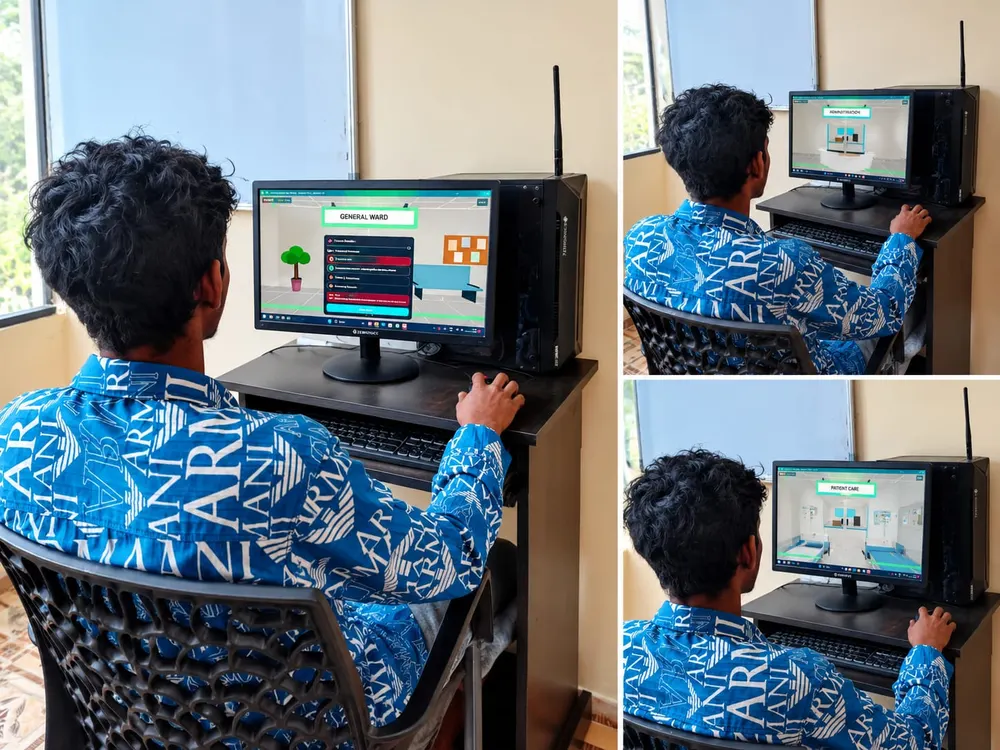
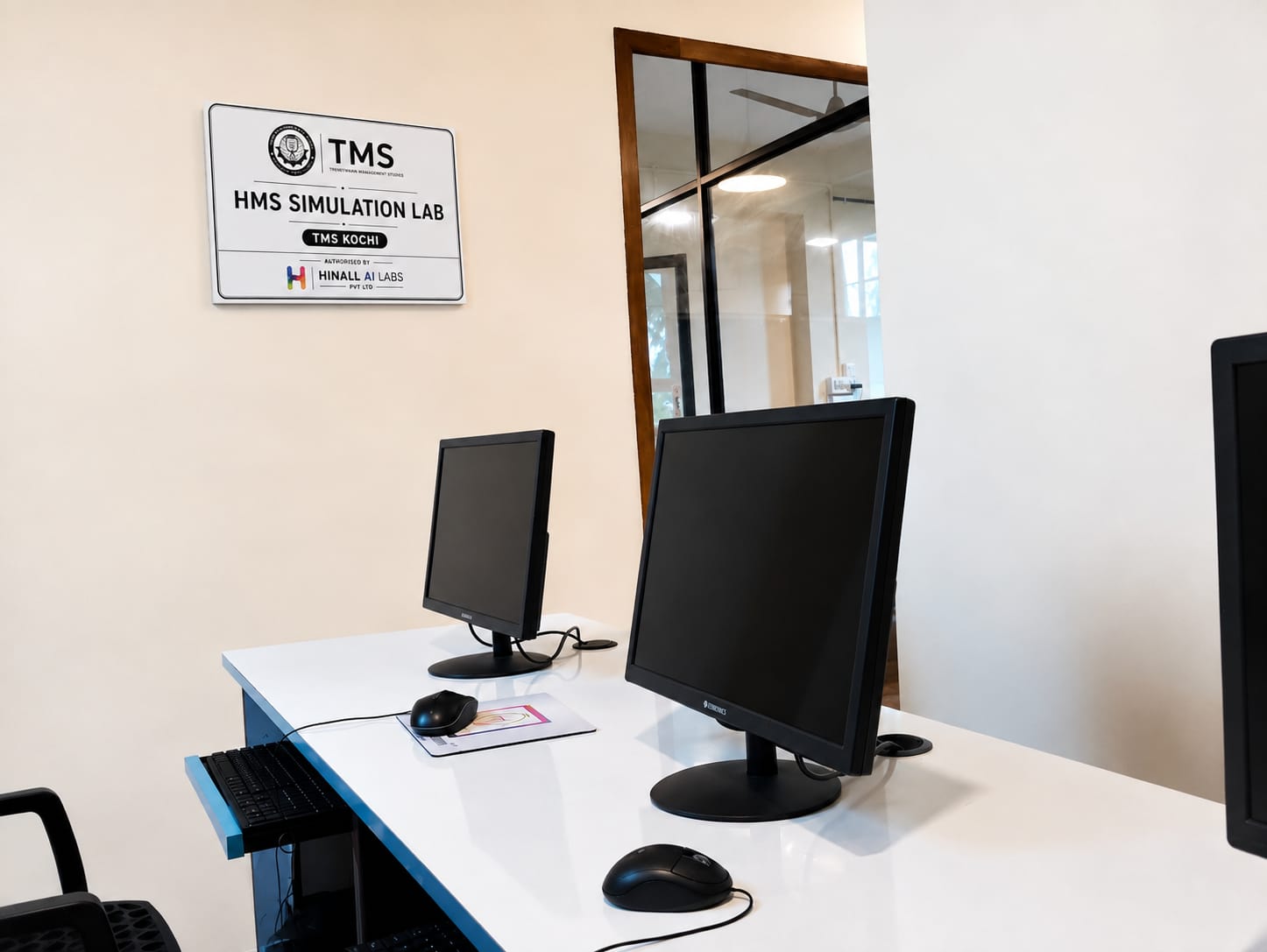
3 certifications (6-month, incl. UGC-approved) or 5 certifications (1-year) · live Hinall HMS lab — 48 NABH-aligned modules across 16 hospital departments · study materials · student uniform · supervised hospital internship · communicative English & mock interviews · 100% Placement Assurance |
| PG Diploma in Hospital Administration |
1 year |
₹64,000 |
₹6,000 at admission + 10 monthly instalments of ₹5,800 |
Everything above, plus extended depth in NABH quality, hospital finance and HR, and prolonged HMS practice — the postgraduate-level credential preferred by GCC employers |
The five certifications inside both fees are the TTMSTRCT Council Trust Diploma, a UGC-approved university certificate, AI in Healthcare Administration, Hinall HMS Proficiency, and HLP Virtual Hospital. The first two are embassy attestable, which is what makes the qualification usable for hospital employment in the UAE, Saudi Arabia, Qatar and Oman. None of the five is an add-on billed later — they are the course. The next batch begins 9 November 2026; eligibility is Plus Two in any stream or any degree.
At ₹42,000, the 6 Months Hospital Administration Course sits deliberately in the middle of the tier's ₹25,000–₹80,000 band — not the cheapest seat in Kerala, and not priced as a premium mystery either. The comparison that matters is not where the fee sits in the band but what fraction of the eight-point checklist further down this page a given fee actually covers.
Bachelor of Hospital Administration (BHA, 3 Years): ₹1.5 – ₹4 Lakh Total
A BHA (in some colleges styled BBA in Hospital Management or B.Sc. in Hospital Administration) is a full three-year undergraduate degree. Total tuition across the three years at Kerala colleges typically runs ₹1.5 lakh to ₹4 lakh — roughly ₹50,000 to ₹1.3 lakh per year — with government-aided seats cheaper and self-financing colleges at the upper end. Hostel, transport, university examination fees and project costs usually sit outside the tuition figure, so budget beyond the headline.
The degree buys breadth: three years of academic grounding in management, healthcare systems, economics and law, a university degree recognised everywhere, and a conventional campus experience. The trade-offs are time and opportunity cost. A school leaver on the BHA route starts earning around three years later than a diploma student, and the practical software and departmental exposure that hospitals test at interview still depends heavily on the individual college's hospital tie-ups. For a 17-year-old certain about the field with family support for three years of study, the BHA is a sound route. For a graduate in any other discipline, adding a 6–12-month diploma is almost always faster and cheaper than a second bachelor's degree.
MHA and MBA in Hospital Management (2 Years): ₹2 – ₹6 Lakh Total
At the top of the academic ladder sit the two-year Master of Hospital Administration and MBA programmes with hospital or healthcare management specialisation. In Kerala, total fees typically run ₹2 lakh to ₹6 lakh for the full two years: government and aided university departments toward the lower end, private and deemed universities toward the upper. (Figures far above this circulate online for Kerala; treat them with suspicion — a top-end Kerala MHA is a ₹5–6 lakh commitment, not a ₹60 lakh one.)
An MHA or hospital-management MBA is the right instrument for a specific ambition: senior administrative and managerial roles — operations manager, quality head, hospital administrator at the larger corporate chains — or a path into teaching and research. It is a poor instrument for the problem most fee-searchers on this page actually have, which is getting a first hospital job. Hospitals hire freshers into executive and coordinator roles from the diploma tier every month; they hire fresh MHA graduates into management trainee roles more selectively. A common and financially sensible sequence in Kerala is diploma first, employment second, and a distance-mode MHA added later while salaried — the master's then costs a fraction of its full-time opportunity cost.
Government and Subsidised Training Routes in Kerala
An honest fee guide has to say this plainly: the cheapest legitimate training in this field is government-subsidised. Kerala's state skill-development ecosystem — including programmes run under the state's skill missions and higher-education skill initiatives — periodically offers healthcare and hospital-support courses that are free or nearly free to eligible candidates, because the state absorbs the cost.
The honest caveats are equally plain. Subsidised batches open irregularly, seats are limited, eligibility windows are specific (age, education, sometimes income criteria), and the syllabus is generally narrower than a full diploma — oriented to specific support roles rather than the administrative breadth of a 6–12-month programme. Software training on a production-grade HMS and multi-department hospital internships are uncommon in this format. If you meet the criteria and a batch is open when you need it, take the seat seriously — it is real training at almost no cost. If the timing, eligibility or role focus does not fit, the paid tiers above are the alternative, and nothing in this guide should talk you out of checking the subsidised route first.
Do Kerala Institutes Publish Their Fees? A Transparency Comparison
Before comparing amounts, compare whether there is an amount to compare. The single most revealing check you can run on any institute takes two minutes: open its course page and look for a number. As of August 2026, this is what that check shows for well-known hospital administration providers in Kerala:
Fee transparency of Kerala hospital administration institutes (as of August 2026)
| Institute | Fee published on website? | What the website states | How a student learns the fee |
|---|
| Treneywann Institute of Hospital Administration (Vyttila, Kochi) |
Yes — exact amounts published |
₹42,000 all-inclusive (6 Months Hospital Administration Course) and ₹64,000 all-inclusive (1-year PG Diploma), with the full zero-interest instalment schedules printed alongside |
Read it on any page of the website — same figure for every student |
| ISSD |
No fee amount displayed |
Course details are described; students are directed to contact the counselling team for fee and instalment details |
Enquiry / counselling call |
| Adi Institute of Management Studies (ADI), Kochi |
No fee amount displayed |
Programme durations and features are described; no fee amount, instalment plan or list of fee inclusions appears publicly |
Direct contact with the institute |
| Transorze Solutions |
No fee amount displayed on the course page |
Course and certification details are described; the fee amount is not shown before the enquiry or payment step |
Enquiry / counselling call |
To be fair to every institute named: publication status can change, and this table describes only what is visible on their public websites as of August 2026 — it says nothing about the quality of their teaching, and this page quotes no competitor's price because an unpublished price learned second-hand cannot be verified or kept current. If any of these institutes publishes its fee tomorrow, that is a win for students, and this table will be updated to say so.
Why transparency is worth ranking on at all: a published fee is a commitment — it is the same for the student who sounds wealthy on the phone and the one who does not, and it cannot quietly grow an exam fee in month four. An unpublished fee is a negotiation. Neither proves anything about teaching quality, but only one of them lets you plan.
What Should a Hospital Administration Course Fee Include?
This is the section that converts any quote — from this institute or any other — into a comparable number. "₹X" means nothing until you know what is inside it. Ask for each item below explicitly, and ask whether it is inside the quoted fee or billed later.
The eight-point fee checklist
- Every certificate named, with its issuing body named. "Certification provided" is not an answer. Which certificates, from whom, and are they attestable if you intend to work in the GCC?
- Hands-on hospital software training on a live system. Not slides about HMS, not a recorded demo — terminal time on production-grade software, because that is the skill hospitals test.
- A supervised hospital internship arranged by the institute, not a letter telling you to find your own.
- Study materials and uniform included, not sold at the start of each term.
- Examination and certificate-issuance charges covered. This is the single most common late surprise in this sector.
- University or council registration fees covered wherever a university credential is promised.
- Placement support with a verifiable record — dated numbers, named hospitals, contactable alumni.
- Interview preparation and communicative English, because Kerala and GCC hospital HR teams assess fluency at interview regardless of marks.
All eight are inside the ₹42,000 and ₹64,000 fees at Treneywann — which is what "all-inclusive" means on this website, and each item is checkable before you pay a rupee. Apply the same list to every other quote you receive. If an institute cannot confirm all eight in writing, the difference between its headline fee and its real cost is the part you have not been told yet.
EMI and Instalment Plans — What Zero-Interest Actually Means
Across Kerala, instalment options exist at most institutes but the schedules are usually disclosed only at counselling. Two questions expose the real cost of any instalment plan: do the instalments total more than the quoted fee, and is a financing company involved? If a "convenient EMI" routes through a lender, there is interest or a processing fee somewhere, whoever is said to pay it.
Treneywann runs its own instalment structure directly, and publishes it. Both programmes are paid as an admission amount plus fixed monthly instalments across the course duration:
- 6 Months Hospital Administration Course — ₹42,000 total: ₹7,000 at admission, then 5 monthly instalments of ₹7,000. The admission payment confirms your seat in the batch.
- 1-year PG Diploma — ₹64,000 total: ₹6,000 at admission, then 10 monthly instalments of ₹5,800.
- Zero interest, verifiably: ₹7,000 + 5 × ₹7,000 = ₹42,000 and ₹6,000 + 10 × ₹5,800 = ₹64,000. The instalments total exactly the published fee — no processing fee, no financing charge, no penalty structure hidden in a schedule.
- No bank, no credit check, no guarantor: the arrangement is between the student and the institute. Instalment dates are set at admission around the student's circumstances — working students commonly align them to salary dates.
The full schedule, with dates, is on the fees and EMI page.
Red Flags When Comparing Course Fees in Kerala
"Call for fee details"
A published fee is the same for everyone. An unpublished fee can be adjusted per enquiry — quoted higher to a student who seems able to pay, discounted under pressure at the end of a counselling call. If a number cannot survive being printed on a website, ask why.
Certificates charged separately
A course fee that excludes examination charges, certificate issuance or university registration is not a course fee — it is a deposit. Ask for the total amount payable from admission to certificate in hand, in writing.
Extra charge for software or lab access
Practical HMS software skill is the core employable skill in this field, not an optional extra. If lab access is a separate line item, the base fee is buying you theory.
Placement promises with no track record
A vague promise of placement support can mean nothing more than a forwarded email. Ask the harder question: how many graduates were placed, by what date, at which named hospitals — and may you speak to two of them? Treneywann's answer is 512 graduates placed as of 31 July 2026 at Aster Medcity, Rajagiri, VPS Lakeshore, Amrita, KIMS, Medical Trust, Sunrise, Lisie and GCC hospitals, behind a 100% Placement Assurance — see the placement report.
Instalments that quietly total more than the fee
Add up every instalment before signing. If the sum exceeds the quoted fee, the difference is interest by another name. A genuine zero-interest plan totals exactly the published price — as the arithmetic in the EMI section above does.
A fee that looks too low for what is promised
A ₹12,000 certificate is not a scandal — it is a different product, usually one certificate with no lab, internship or placement pathway, and it honestly suits someone already employed in a hospital. The red flag is a rock-bottom fee attached to diploma-tier promises: five certificates, internship and placement do not fit inside a certificate-tier price, and the gap surfaces later as extra charges.
Fees vs Return on Investment — The Comparison That Decides It
A fee is meaningless without the salary it leads to. Kerala hospitals pay trained hospital administration freshers ₹18,000–₹25,000 per month; GCC hospitals pay AED 3,000–8,000 per month, largely tax-free. Set each tier's cost against its time-to-first-salary and the picture reorganises itself:
The 6 Months Hospital Administration Course at ₹42,000: against a conservative ₹20,000 monthly starting salary, the entire course cost is recovered in under two months of employment — a little over two months on the ₹18,000 lower band, under seven weeks on the ₹25,000 upper band.
The 1-year PG Diploma at ₹64,000: against a GCC entry package equivalent to roughly ₹70,000–₹1,00,000 per month, the fee is recovered inside the first month of a Gulf posting.
The 2-year MHA at ₹2–6 lakh: a strong long-term instrument for management roles, but it carries two years of fees plus two years of forgone salary — roughly ₹4.8–₹6 lakh of earnings at fresher rates — before the first rupee comes back.
This is why the sequence many Kerala students settle on is diploma first, employment second, distance-mode master's later while salaried. The diploma route puts a graduate into a paid hospital role roughly eighteen months to three years earlier than the degree routes at a fraction of the cost, and nothing about it forecloses the MHA afterwards. Salary bands by role and city are on the Kerala salary guide; module-level course content is on the syllabus page; entry requirements are on the eligibility page.
Frequently Asked Questions About Hospital Administration Fees in Kerala
How much does a hospital administration course cost in Kerala?
By tier: short-term certificates (3–6 months) roughly ₹10,000–₹35,000; diplomas and PG diplomas (6–12 months) roughly ₹25,000–₹80,000; a 3-year BHA degree roughly ₹1.5–₹4 lakh total; a 2-year MHA or hospital-management MBA roughly ₹2–₹6 lakh total; government-subsidised skill routes free to a few thousand rupees when seats are open. Within the diploma tier, Treneywann publishes ₹42,000 (6 months) and ₹64,000 (1 year), both all-inclusive.
What is the cheapest hospital administration course in Kerala?
Government-subsidised skill programmes, when a healthcare batch is open and you meet the eligibility criteria — sometimes free. Among paid courses, basic online certificates start around ₹10,000–₹15,000. Both typically exclude live HMS training, internship and placement support, so weigh the total cost to employment, not just the fee.
Do Kerala institutes publish their fees?
Most do not — as of August 2026, several well-known providers show no fee amount on their course pages and direct students to a counselling call. Treneywann publishes its exact fees and full instalment schedules on its website. The transparency table above lists what each named institute's public website shows.
Is EMI available?
At Treneywann, yes, and it is published and interest-free: the ₹42,000 Diploma fee is paid as ₹7,000 at admission plus 5 monthly instalments of ₹7,000, and the ₹64,000 PG Diploma fee as ₹6,000 at admission plus 10 monthly instalments of ₹5,800 — no bank, no credit check, no guarantor, and the instalments total exactly the published fee. At other institutes, ask for the schedule in writing and add it up.
What should the fee include?
Tuition, all study materials, hands-on training on a live HMS system, a supervised hospital internship, every promised certificate with exam and issuance charges covered, any university or council registration fees, interview preparation and communicative English, and placement support with a verifiable record — the eight-point checklist above, in full. Anything on that list outside the quoted fee is cost you have not been told about yet.
What exactly do Treneywann's fees cover?
Both published fees are all-inclusive: 3 certifications (6-month, incl. UGC-approved) or 5 certifications (1-year) (TTMSTRCT Council Trust Diploma, a UGC-approved university certificate, AI in Healthcare Administration, Hinall HMS Proficiency, and HLP Virtual Hospital), live Hinall HMS lab training across 48 NABH-aligned modules in 16 hospital departments, study materials, student uniform, a supervised hospital internship, communicative English and mock interviews, and 100% Placement Assurance. There is no separate exam fee, certificate fee, lab fee, material fee or placement fee. The next batch begins 9 November 2026.
To confirm your instalment dates and seat for the September batch, call +91 90379 86219, message +91 90379 86220 on WhatsApp, or visit Treneywann Institute of Hospital Administration, Office 49/A, Creative Tower, 2nd Floor, Near Kaniyampuzha Road, Eroor South, Vyttila, Ernakulam, Kerala 682306.
.png)