.png)









Hospital Operation Theatre Management — Scheduling, WHO Checklist, and NABH OT Standards
The OT is the hospital's highest revenue-generating department and one of NABH's most closely audited areas. The administrator never holds a scalpel — but owns the schedule, the checklist compliance, the utilisation numbers, and the evidence file.
Operation theatre (OT) management in hospitals involves scheduling surgical lists, coordinating CSSD sterile supply, enforcing the WHO Surgical Safety Checklist, maintaining OT utilisation records, managing anaesthesia equipment, and ensuring NABH OT accreditation standards. Hospital administrators manage OT scheduling systems, NABH evidence files for the OT chapter, CSSD instrument tracking, consent verification before surgery, and OT utilisation rate reporting to hospital management — without performing any clinical or surgical functions.
Why OT Management Matters
- Revenue: the OT is the highest revenue-generating department in most hospitals — typically 40–60% of inpatient revenue
- Efficiency: poor OT utilisation is direct revenue loss — an idle OT hour cannot be recovered
- Accreditation: the NABH OT chapter is one of the most closely audited chapters in any assessment
- Patient experience: cancelled surgeries and OT delays are the #1 patient complaint category in tertiary hospitals
That combination — money, compliance, and complaints — is why OT management sits squarely on the administrator's desk.
OT Scheduling
The elective surgery list is prepared 24 hours before the operating day, prioritised by:
- Surgeon availability
- Anaesthetist availability
- Equipment availability — C-arm, laparoscopy tower, microscope
- Patient preparation status — fasting, investigations, consent
How the Schedule Runs
- Emergency cases take precedence — the elective list flexes around them
- List communicated to CSSD — so sterile instrument sets are prepared and dispatched on time
- Scheduling done in the HMS — in Hinall HMS, the OT Scheduling module handles list creation, slot allocation, and status tracking
A schedule that lives in the HMS instead of a whiteboard is auditable — which is exactly what NABH and hospital management want.
The WHO Surgical Safety Checklist — Three Pauses
A mandatory NABH requirement: three structured pauses at three critical moments of every surgery.
- Sign In (before anaesthesia induction): patient identity confirmed, surgical site marked, consent verified, anaesthesia machine checked, allergies confirmed
- Time Out (before skin incision): all team members introduce themselves, correct patient/site/procedure confirmed aloud, antibiotic prophylaxis confirmed, anticipated critical steps shared
- Sign Out (before the patient leaves the OT): instrument, sponge, and needle counts confirmed, specimens labelled, equipment faults noted for follow-up
- Documentation: the checklist is completed by the circulating nurse, signed by the surgeon and anaesthetist, and filed in the case record — assessors pull case files to verify
NABH OT Chapter Requirements
Four areas assessors verify physically and on paper.
- OT environment: positive pressure for clean OTs (cardiac, ortho, neuro); negative pressure for infected-case OTs; temperature 18–24°C, humidity 50–60%; HEPA filters verified; air change rate documented
- Instrument tracking: all instrument sets numbered; CSSD dispatch and return logged; a set dispatched but not logged back is a deficiency
- Implant records: every implant — stents, plates, screws, mesh — recorded with batch number, expiry, and patient ID in the implant register
- Fire safety: electrical equipment inspection log maintained; no alcohol-based solutions near cautery
OT Utilisation Reporting
OT utilisation rate = (actual OT hours used ÷ available OT hours) × 100% — target above 75%.
- Tracked daily, weekly, monthly — by the administrator
- Cancelled surgeries documented with reason — patient not ready, equipment failure, consent missing
- Monthly report to the Hospital Director — utilisation, cancellations, and delay patterns
Cancellation-reason data is what turns a report into action: if "consent missing" keeps appearing, the pre-operative checklist process is broken.
Consent Verification Before Surgery
An administrator responsibility with a hard boundary:
- The PRE chapter surgical consent form must be signed and dated before the patient enters the OT
- The WHO checklist Sign In independently confirms consent again
- The administrator does not take clinical consent — the surgeon does — but ensures the completed form is in the case file before the patient is transported to the OT
"Consent missing" is both a cancelled-surgery reason and a critical NABH finding — administrator verification prevents both.
How Treneywann Teaches OT Management
- OT from the administrator's seat — scheduling, utilisation, checklists, and evidence files across 48 modules
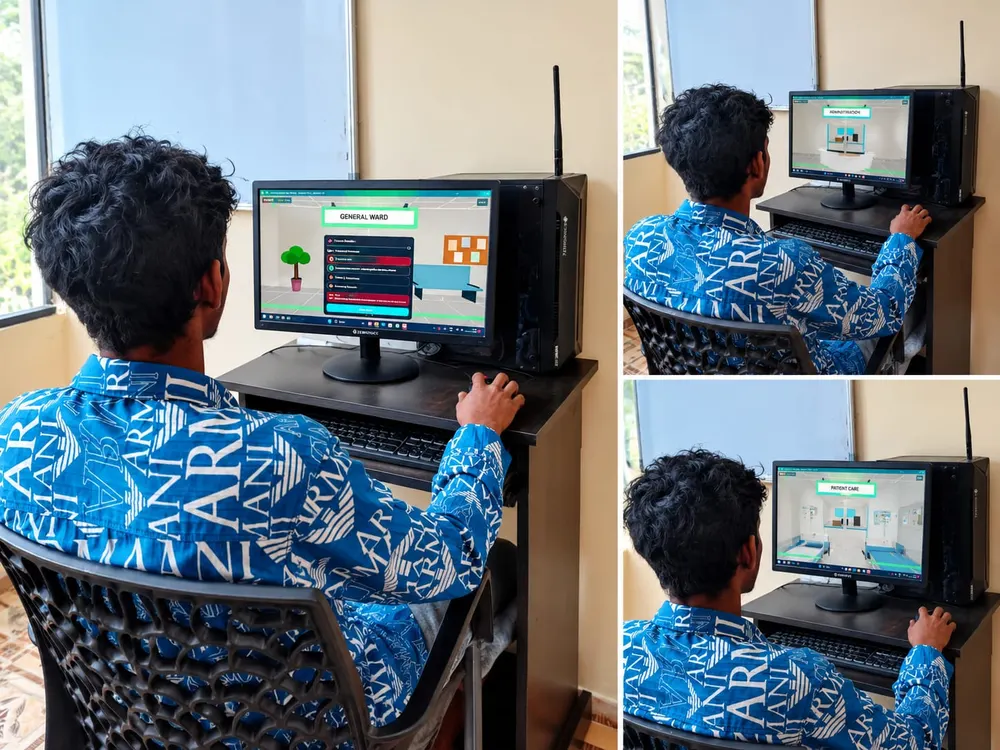
- India's only live Hinall HMS lab — the OT Scheduling module practised in real software, not slides
- CSSD coordination — instrument dispatch and return workflows taught alongside the CSSD sterilisation cycle
- 5 certifications — TTMSTRCT Council Trust, UGC-approved university certificate (NEP 2020), Hinall HMS, AI in Healthcare and HLP
- 100% placement assurance — OT management is asked directly in operations manager interviews
Course Details
₹42,000 for the 6-month course at Treneywann Institute of Hospital Administration, 2nd Floor Creative Tower, Near Kaniyampuzha Road, Eroor South, Vyttila, Kochi, Kerala 682306. Treneywann is an authorized training partner of a UGC-approved university.
OT management connects revenue, NABH compliance, and patient experience — which makes it one of the most interview-relevant modules in the course.
FAQs — Hospital OT Management
The operation theatre questions asked in interviews and NABH audits
What is hospital OT management?
Scheduling surgical lists, coordinating CSSD sterile supply, enforcing the WHO Surgical Safety Checklist, maintaining OT utilisation records, managing equipment logs, and ensuring NABH OT standards. The administrator manages the scheduling system, evidence files, instrument tracking, consent verification, and utilisation reporting — without performing any clinical function.
What is the WHO Surgical Safety Checklist?
A mandatory NABH three-pause system: Sign In before anaesthesia (identity, site, consent, machine check, allergies), Time Out before incision (team introductions, correct patient/site/procedure, antibiotics, critical steps), and Sign Out before the patient leaves the OT (counts, specimens, equipment faults). Completed by the circulating nurse, signed by the surgeon and anaesthetist, filed in the case record.
What is OT utilisation rate in Indian hospitals?
(Actual OT hours used ÷ available OT hours) × 100% — target above 75%. Administrators track it daily, weekly, and monthly, document cancellations with reasons, and report monthly to the Hospital Director. With 40–60% of inpatient revenue flowing through the OT, low utilisation is direct revenue loss.
What does NABH check in the OT?
OT environment (positive pressure for clean OTs, negative for infected-case OTs, 18–24°C, 50–60% humidity, HEPA filters, documented air change rates), instrument tracking with CSSD logs, implant registers with batch/expiry/patient ID, fire safety logs, and completed WHO checklists in case records.
Does Treneywann teach operation theatre management?
Yes — OT scheduling, the WHO checklist, NABH OT requirements, CSSD coordination, implant registers, consent verification, and utilisation reporting are covered across the 48-module course, with OT scheduling practised in India's only live Hinall HMS lab. ₹42,000 for 6 months at Vyttila, Kochi, with 100% placement assurance.
Visit the Kochi Campus — Vyttila
Treneywann Institute of Hospital Administration, Office 49/A, Creative Tower, 2nd Floor, Near Kaniyampuzha Road, Eroor South, Vyttila, Ernakulam, Kerala 682306
OT Management and NABH Standards Covered.
₹42,000. Vyttila Kochi.